Why Are Reservoir Tanks Essential for Water Storage?
Reservoir tanks play a crucial role in our water management systems. As Michael Johnson, an expert in water resources, states, "Reservoir tanks are the backbone of any effective water supply strategy." These large storage units ensure a stable water supply for homes and industries alike.
Water demand fluctuates. However, reservoir tanks provide a buffer during dry spells. They capture rainfall during wet seasons, storing it for future use. This ability to balance supply and demand is vital, especially in urban areas where consumption can surge unexpectedly. Without these tanks, many communities would face severe water shortages.
Yet, the importance of reservoir tanks often goes unnoticed. Maintenance issues can arise, leading to inefficiencies. Ensuring tanks remain clean and functional is an ongoing challenge. We must prioritize investments in this infrastructure to prevent future crises in water management. It's a collective responsibility we must all reflect on.
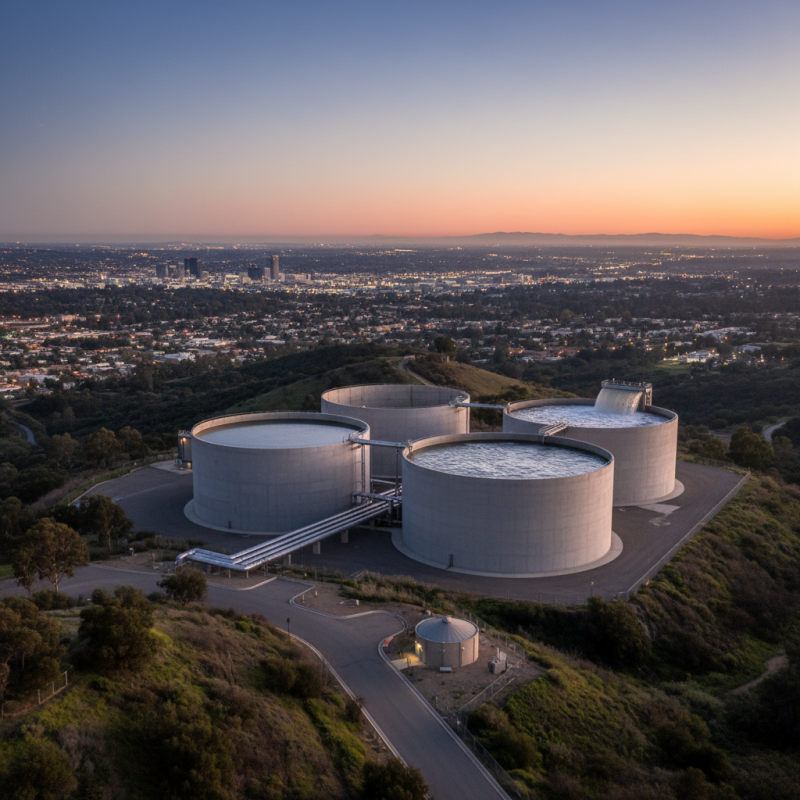
Importance of Reservoir Tanks in Water Conservation
Reservoir tanks play a crucial role in water conservation. They act as vital storage units, enabling communities to harness and manage water resources effectively. According to the World Bank, efficient water storage can reduce water scarcity by 30% in developing regions. This highlights the importance of having reliable reservoir systems in place.
Not all reservoir tanks are created equal. Many localities face issues like leakage and evaporation. Studies show that properly maintained tanks can minimize these losses by up to 40%. Yet, many reservoirs in urban areas experience neglect. This leads to inefficiencies and increased costs. Simple solutions, like regular inspections, are often overlooked.
Furthermore, as populations grow, the demand for water rises sharply. The United Nations predicts that by 2040, global water demand will increase by 30%. Without adequate reservoir capacity, communities will struggle to meet this need. It is essential to invest in better infrastructure and innovative solutions. This can ensure that reservoir tanks can continue serving their purpose for future generations.
Water Storage Capacity in Reservoir Tanks
Reservoir tanks play a critical role in water conservation by storing varying capacities of water for future use. The chart above illustrates the differences in storage capacity across various sizes of reservoir tanks, highlighting their importance in managing water resources effectively.
Types of Reservoir Tanks and Their Applications
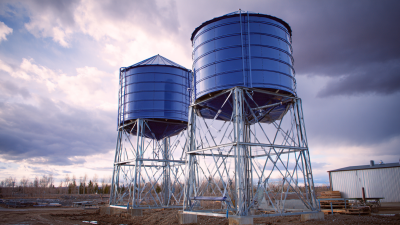
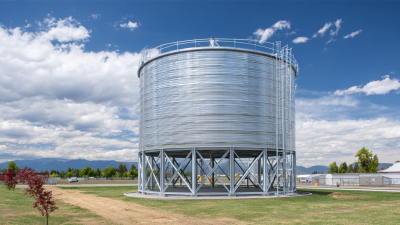
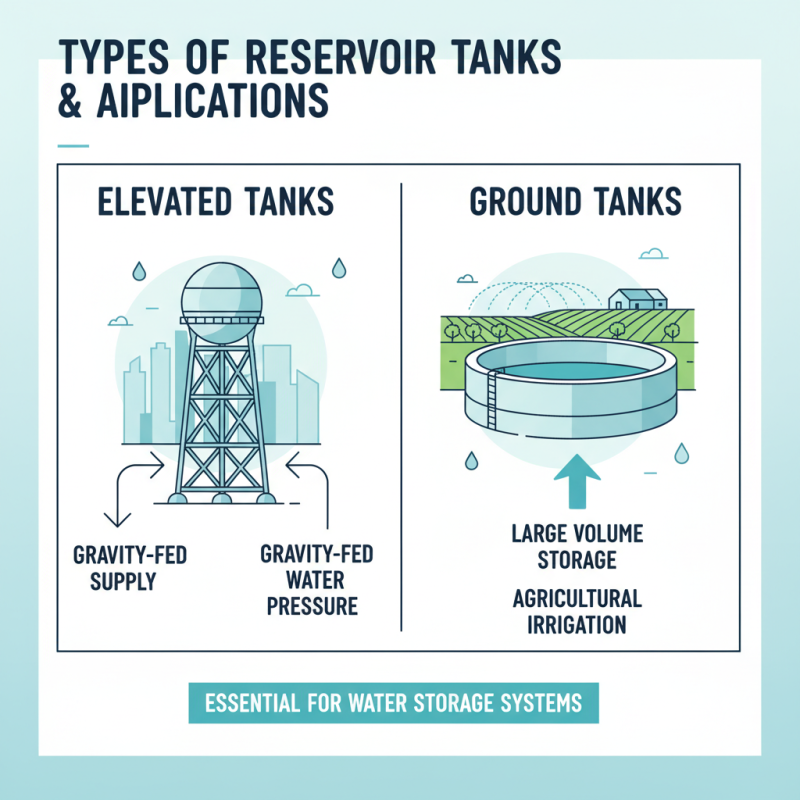
Reservoir tanks play a vital role in water storage systems. They come in various types, each serving different needs. Elevated tanks are common in urban areas. They provide gravity-fed water supply, ensuring pressure distribution. Ground tanks, on the other hand, are often used in agricultural settings. They store large volumes of water for irrigation.
When considering a reservoir tank, think about its location. Urban areas might require elevated types, while rural locations might prefer ground tanks. Installation can be complex, yet crucial. Always assess your area's specific water demands before choosing a type.
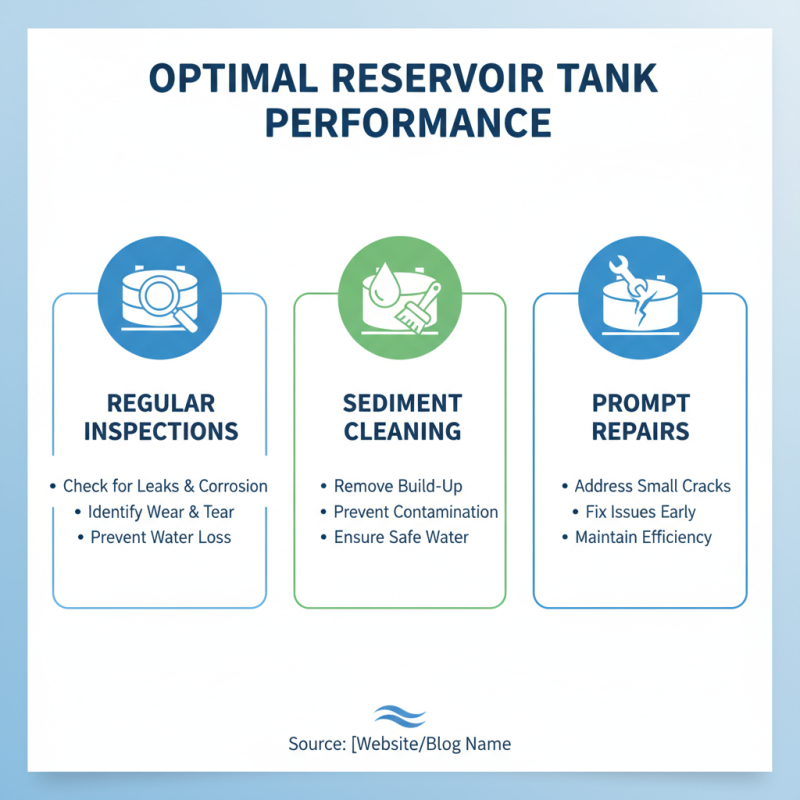
**Tips:** Evaluate the size of your water needs accurately. Misestimating can lead to over or underbuilding a tank. Regular maintenance checks are essential. They help identify leaks or structural issues early on. Don't overlook the impact of local climate on your water storage system. This can affect the tank's durability and functionality.
Key Benefits of Using Reservoir Tanks for Water Storage
Reservoir tanks serve crucial roles in water storage systems. These tanks help maintain a consistent water supply. This is especially important in areas with variable rainfall or seasonal shortages. Water can be stored for dry periods, ensuring communities have access when they need it most.
One of the key benefits of reservoir tanks is their ability to enhance water quality. By storing water in a controlled environment, tanks can reduce contamination from external sources. Additionally, proper tank designs can minimize algae growth. However, maintenance is essential to avoid stagnation and issues from debris.
Furthermore, reservoir tanks contribute to water conservation efforts. They enable the collection of rainwater, reducing dependence on traditional sources. This method promotes sustainability, but public awareness is often lacking. Communities need to be educated on the value and maintenance of these systems. Without proper understanding, the potential benefits may remain unrealized.
Why Are Reservoir Tanks Essential for Water Storage? - Key Benefits of Using Reservoir Tanks for Water Storage
| Dimension |
Data |
| Capacity (Gallons) |
10,000 |
| Material |
Polyethylene |
| Lifespan (Years) |
30 |
| Installation Time (Hours) |
4 |
| Maintenance Frequency (Per Year) |
1 |
| Cost (USD) |
2,500 |
| Environmental Impact |
Low |
| Availability |
Widely Available |
Factors Affecting the Efficiency of Reservoir Tanks
Reservoir tanks play a crucial role in water storage systems. They help regulate water supply and maintain pressure. However, their efficiency can be influenced by various factors that need attention.
One major factor is the design of the tank. A well-designed tank ensures even distribution of water. It also prevents stagnation. If the tank is not properly ventilated, it can lead to bacterial growth. This poses risks to water quality. Similarly, the materials used in construction affect durability. Corrosion can hinder performance over time.
Another key aspect is maintenance. Regular inspections can identify leaks or cracks. Neglecting such issues worsens problems. Additionally, temperature fluctuations can influence water quality and storage efficiency. Keeping the tank shaded can help preserve water at a stable temperature. Ultimately, paying attention to these factors is essential for improving the overall effectiveness of reservoir tanks.