2026 Best Poly Water Tanks What You Need to Know?
In the realm of modern water storage solutions, Poly Water Tanks have gained prominence for their durability and efficiency. According to a 2022 industry report by Water Storage Solutions, the demand for these tanks increased by over 30% within two years. This growth highlights the importance of reliable water storage in both residential and agricultural settings. Experts in the field, like water management consultant John Thompson, emphasize the critical role of such tanks, stating, "Investing in quality Poly Water Tanks guarantees long-term water preservation."
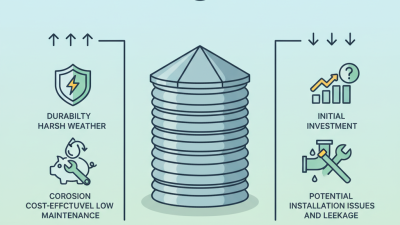
The resilience of Poly Water Tanks makes them suitable for various climates. They are designed to withstand extreme temperatures and UV exposure. However, not all tanks are created equal. Some cheaper variants may not provide the same durability, leading to potential leaks or contamination. It’s crucial to carefully evaluate options. Ignoring quality could result in significant financial losses and water shortages. This issue underlines the need for thorough research and expert recommendations when choosing these tanks.
As consumers navigate their choices, understanding the essential features of Poly Water Tanks is vital. From size to filtration capabilities, every detail counts. The right tank can ensure clean, safe, and accessible water for years. Yet, the growing market means misinformation can lead buyers astray. Thus, staying informed and cautious is more important than ever.
Overview of Poly Water Tanks: Types and Benefits
Poly water tanks are increasingly popular for various applications, from agriculture to residential use. Made from high-density polyethylene (HDPE), these tanks are durable and resistant to UV rays. According to the Water & Wastewater Equipment Manufacturers Association (WWEMA), poly tanks are growing in demand, with a projected increase of 5.2% in market size by 2026.
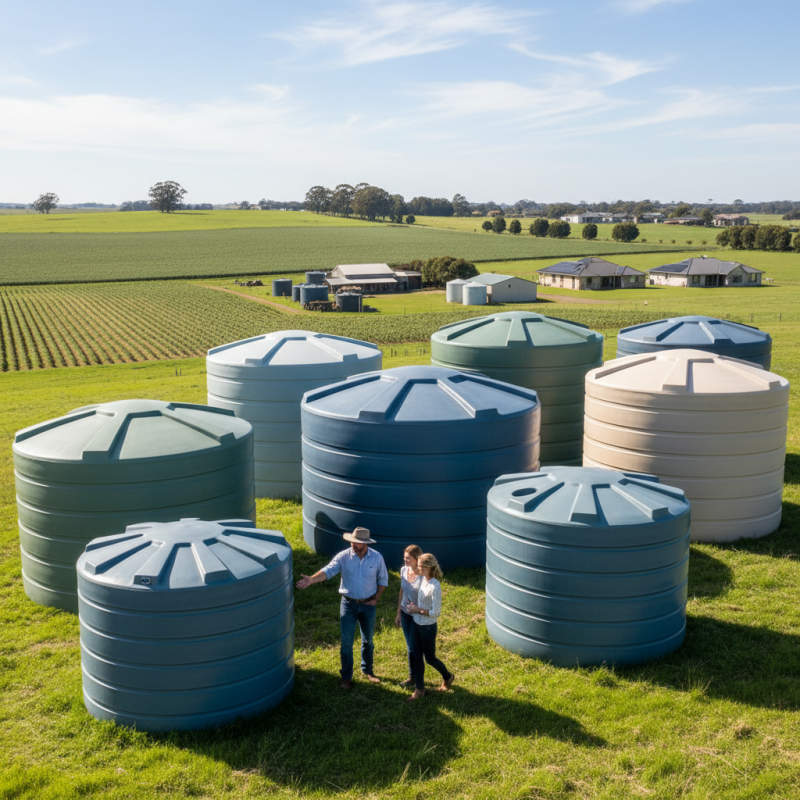
There are different types of poly water tanks available. Vertical and horizontal tanks cater to space and capacity needs. Each comes with its own set of benefits. Vertical tanks often maximize storage in smaller footprints, while horizontal tanks offer ease of installation. Some models even come with multi-layer construction for enhanced strength. However, consumers should recognize that not all poly tanks are created equal. Variations in UV resistance and flexibility could affect longevity.
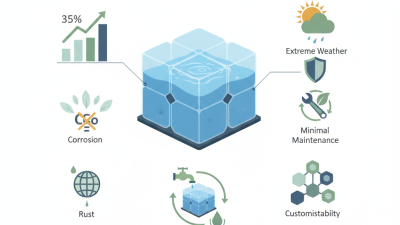
Benefits extend beyond durability and space efficiency. These tanks are lightweight, making transportation and installation easier. They also don’t rust or corrode, which is crucial in many environments. However, some may find that maintaining temperature stability can be a challenge. It's vital to consider where the tank will be installed. Each location may present its own set of challenges that could impact the tank's performance over time.
Material Specifications: Understanding Polyethylene and Its Grades
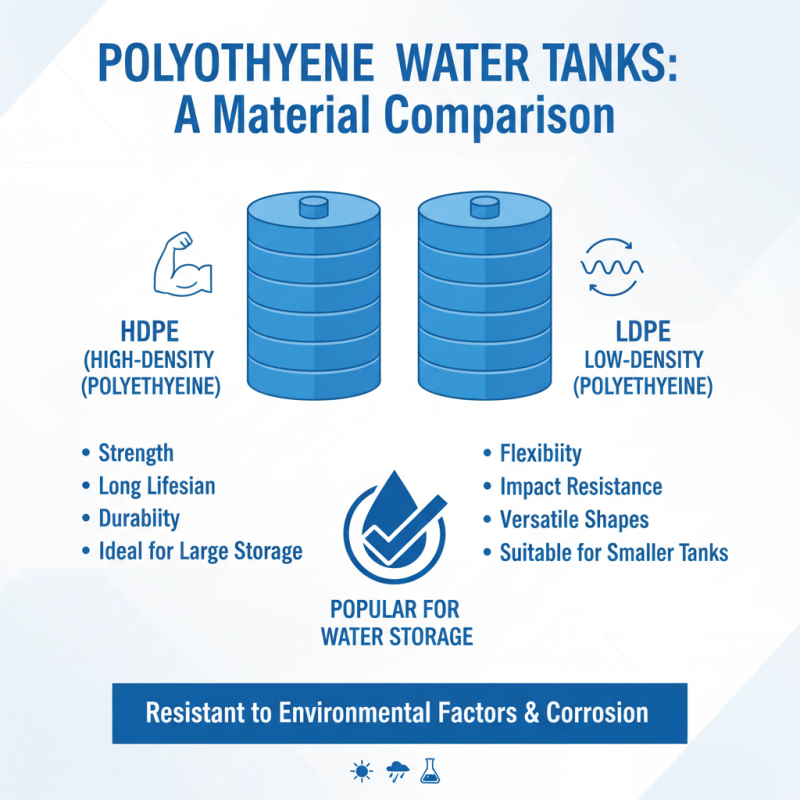
Polyethylene is a popular material for water tanks. Its durability and resistance to various environmental factors make it ideal for storage purposes. However, not all polyethylene is created equal. There are different grades, each with unique properties. High-density polyethylene (HDPE) is often favored for its strength and long lifespan. In contrast, low-density polyethylene (LDPE) offers better flexibility but may not be as robust.
When choosing a poly water tank, consider the grade's impact on performance. An industry report indicates that HDPE tanks can last over 30 years with proper care. This longevity can significantly lower replacement costs. However, some users report issues with UV degradation if the tanks are not adequately covered or shaded. Knowing the specifics can help avoid expensive mistakes.
Tip: Always check the UV protection rating. A higher rating ensures better durability outside. Additionally, be aware of your environmental conditions—climate and exposure matter. Poor choices can lead to early failure. Take your time to research and choose wisely, as this decision affects long-term usage and cost.
Capacity and Sizing: Choosing the Right Volume for Your Needs
When selecting a poly water tank, size matters. The capacity you choose should align with your specific needs. Think about how much water you typically use daily. This could range from household chores to gardening. A tank that’s too small will lead to frequent refills. A larger tank can create space issues and unwanted costs.
Consider your property's space and layout. A 500-gallon tank may suit small homes, while larger properties might need 1,000 gallons or more. Always ensure your tank can accommodate seasonal changes. If you live in an area with high rainfall, a larger volume can help store extra water. Conversely, in dry areas, smaller tanks might suffice.
Reflect on your water consumption patterns. Are there moments of high demand? For example, you may need more water for hosting events or maintaining a garden. Understanding these needs can help you avoid over or under-purchasing. Selecting the right size can be challenging. Think through these aspects carefully to make a better choice.
2026 Best Poly Water Tanks - Capacity and Sizing: Choosing the Right Volume for Your Needs
| Tank Size (Gallons) |
Diameter (inches) |
Height (inches) |
Use Cases |
| 250 |
30 |
41 |
Small household use, garden irrigation |
| 500 |
36 |
56 |
Medium gardens, livestock water supply |
| 1000 |
48 |
66 |
Larger residential use, agricultural irrigation |
| 1500 |
54 |
78 |
Commercial use, larger livestock farms |
| 3000 |
72 |
90 |
Industrial applications, large-scale irrigation |
Durability and Lifespan: What to Expect from Poly Tanks
When considering poly water tanks,
durability and lifespan are critical factors. These tanks, made from
high-density polyethylene (HDPE),
can last up to 30 years if properly maintained. A study by
the Water Tank Association
shows that UV-resistant materials enhance longevity significantly. However,
exposure to extreme temperatures can affect structural integrity over time.
Routine inspections are vital. Small cracks can develop due to
harsh weather conditions. Regular monitoring allows for early interventions.
Research indicates that many consumers overlook these routine checks, leading
to potential long-term issues. It’s essential to balance use and maintenance.
While poly tanks are generally sturdy, they do have limitations. They are vulnerable
to punctures and can warp in excessive heat.
Some reports suggest that only 50% of tank owners are aware of these
vulnerabilities. This lack of awareness can lead to premature failures.
Awareness and proactive care can help maximize the lifespan of these tanks.
Cost Analysis: Budgeting for Purchase and Maintenance of Poly Tanks
When considering poly water tanks, cost is a crucial factor. The initial purchase can range from $500 to $2,500, depending on size. A 1,000-gallon tank typically costs between $800 to $1,200. These tanks are known for their resilience and long lifespan, but maintenance can add up.
Annual maintenance costs average around $100 to $300. Regular inspections are essential. Periodic cleaning helps prevent algae growth. Neglecting this can lead to costly repairs or replacements. Some users report issues with UV degradation. This can shorten a tank's useful life by several years.
Budgeting for poly tanks requires careful planning. Tank installation might incur additional costs. Labor fees can reach $1,000 or more. Users should factor in local regulations, which may affect costs. In rural areas, delivery charges can spike based on distance. Understanding all expenses ensures a vital resource remains within financial reach.