2026 Top Square Water Tanks for Global Buyers Insights?
As global demand for water storage solutions increases, Square Water Tanks have gained significant attention. According to industry expert Dr. Alice Rivers, "Square Water Tanks are not just storage units; they represent innovation in water management." This perspective highlights their importance in both residential and commercial applications.
Square Water Tanks feature unique designs that optimize space. Their compact shape allows for effective usage in urban areas where land is limited. However, choosing the right tank is not always straightforward. Buyers must consider materials, capacity, and local regulations. Each decision impacts the efficiency and longevity of these tanks. The choices can feel overwhelming, especially with the numerous manufacturers available.
Some buyers may not realize the importance of quality over price. While cheaper options exist, they may lead to issues like leaks or corrosion. Therefore, investing in high-quality Square Water Tanks is crucial. Finding a balance between cost and reliability often requires research and expert consultation. Ultimately, a well-chosen tank can save money and resources in the long run.
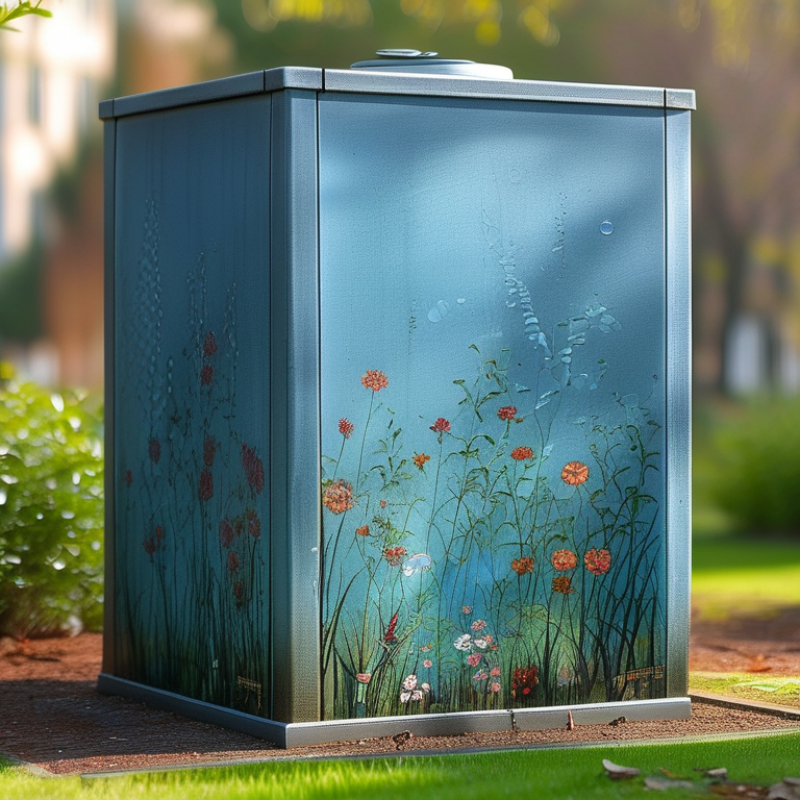
Overview of Square Water Tanks in 2026 Market Trends
As we dive into the 2026 market trends for square water tanks, several noteworthy trends emerge. Square tanks are gaining momentum due to their efficient space usage. They are increasingly preferred for both residential and industrial applications. The compact design allows them to fit into tight spaces while storing a significant volume of water.
One area to consider is material innovation. Many manufacturers are exploring new materials that enhance durability. This shift could result in longer-lasting tanks that withstand environmental stress more effectively. However, it’s essential to reflect on the balance between innovation and cost. As materials improve, prices may rise, affecting consumer choices.
Tips: When selecting a square water tank, consider the environmental impact of the materials used. Look for suppliers who prioritize sustainability. Be wary of overly cheap options; they might compromise quality. The market shifts require buyers to stay informed, especially regarding new technologies and materials. Understanding these factors will help make informed decisions in the evolving landscape of water storage solutions.
Key Features and Benefits of Square Water Tanks
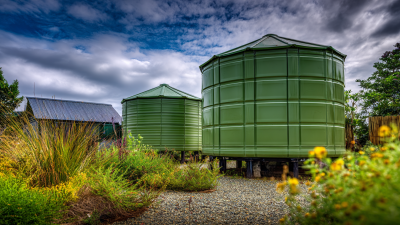
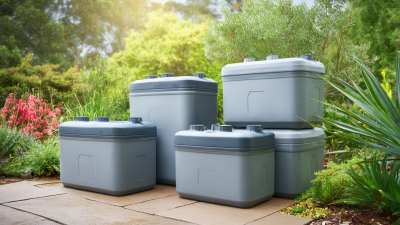
Square water tanks have gained popularity for their efficient use of space. Unlike cylindrical tanks, their shape allows for easy placement against walls and in tight areas. This feature is particularly beneficial for urban settings where every square foot counts. Furthermore, their uniform design contributes to a more organized layout in water storage facilities.
The benefits of square water tanks extend beyond their shape. They often come with robust materials that enhance their durability. Many tanks are designed to withstand environmental stressors, ensuring long-lasting performance. Their rectangular design also enables better distribution of water pressure. This results in reduced risk of leaks and structural failures.
Despite their advantages, some challenges exist. Installation may require specific site preparations. Additionally, maintenance access can be limited depending on where they are placed. Buyers must weigh these factors carefully. Consideration of the specific needs and conditions of the installation site is critical for optimal performance.
Leading Manufacturers and Brands in the Square Water Tank Sector
The square water tank market is evolving rapidly, driven by increasing demand for sustainable water storage solutions. According to industry reports, the global square water tank market is projected to grow at a CAGR of 9.1% from 2021 to 2026. This growth is largely influenced by urbanization and the need for efficient water management systems. Many sectors, including agriculture and construction, particularly emphasize the role of these tanks.
Leading manufacturers are focusing on innovation. They are enhancing product durability and effectiveness. For instance, high-density polyethylene (HDPE) tanks are becoming preferred due to their resistance to corrosion and UV rays. Reports indicate that about 32% of global buyers prioritize these materials. While this trend is promising, there are challenges. Some manufacturers face difficulties meeting quality standards consistently. In a competitive landscape, quality assurance remains crucial.
Brand differentiation is significant in this market. As buyers become more informed, they seek transparent and reliable brands. The importance of customer support and product warranty cannot be overlooked. A recent survey revealed that 45% of users consider after-sales service when choosing a brand. This reflects a growing trend towards customer retention strategies within the sector. Therefore, companies must adapt to meet these evolving consumer expectations.
Comparative Analysis of Square Water Tank Materials and Construction
When choosing square water tanks, material selection is crucial. Common options include plastic, fiberglass, and steel. Each material has unique benefits and drawbacks. For instance, plastic is lightweight and resistant to corrosion. However, it may not withstand extreme temperatures as well as steel or fiberglass.
Fiberglass tanks are known for their durability. They resist pressure and temperature changes effectively. Still, they can be more expensive. Steel tanks offer strength and longevity but may require protective coatings to prevent rust. Proper maintenance is essential to extend their lifespan.
Construction methods also vary, influencing the longevity and reliability of tanks. Welded tanks often provide a more secure structure than bolted ones. However, improper welding can lead to leaks. Regular inspections are necessary to identify potential issues early. The choice of materials and construction directly impacts the functionality of these tanks. Understanding these elements can guide global buyers in making informed decisions.
2026 Top Square Water Tanks for Global Buyers Insights
| Material |
Capacity (Liters) |
Dimensions (m) |
Weight (kg) |
Estimated Cost (USD) |
Lifespan (Years) |
| HDPE |
1000 |
1.5 x 1.5 x 1.5 |
50 |
300 |
15 |
| Fiberglass |
2000 |
1.8 x 1.8 x 2.0 |
85 |
600 |
20 |
| Steel |
1500 |
1.6 x 1.6 x 1.8 |
70 |
400 |
30 |
| Concrete |
5000 |
2.5 x 2.5 x 2.5 |
200 |
1200 |
50 |
| Polyethylene |
800 |
1.4 x 1.4 x 1.7 |
45 |
250 |
10 |
Global Regulations and Standards Affecting Water Tank Selection
Choosing the right water tank involves understanding global regulations and standards. Different regions have specific requirements that can significantly impact your selection. Factors such as material quality, tank capacity, and safety measures must be compliant with local laws. These regulations ensure the water is safe for consumption and the environment.
When selecting a square water tank, focus on certification. Look for compliance with industry standards that verify quality and safety. Regular inspections may also be mandated by local authorities. This ensures longevity and reduces the risk of contamination.
Tip: Always consult with a local expert before making a purchase. Their insights can help navigate complex regulations.
Insulation and structural integrity are often overlooked. These factors play a crucial role in tank performance, especially in extreme weather. You may need to adapt your choice based on the climate of your region. Consider how temperature fluctuations might affect your water storage.
Tip: Evaluate multiple suppliers for the best quality materials. This could lead to better durability.