2026 Top Water Tank Types for Home and Commercial Use
The demand for water tanks is surging in both home and commercial sectors. According to a report by Global Market Insights, the water tank market is projected to reach USD 3.8 billion by 2026. This trend highlights the critical role that water tanks play in water conservation and management. "Choosing the right water tank can significantly impact efficiency and sustainability," notes industry expert Dr. Michael Reed, emphasizing the importance of selecting the right type for specific needs.
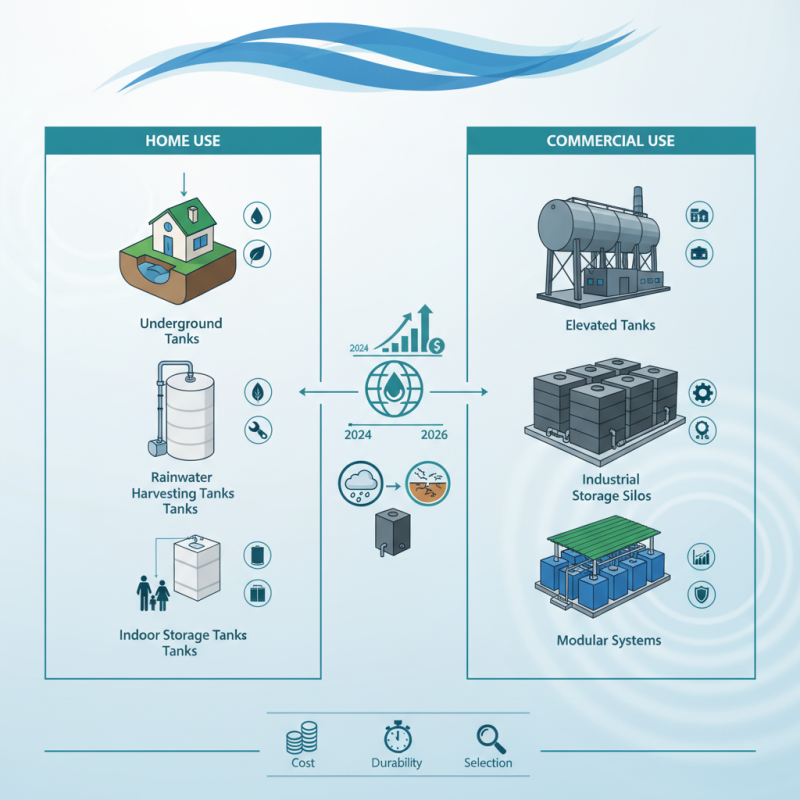
Different water tank types cater to diverse applications. For instance, underground tanks are ideal for urban areas with limited space. In contrast, elevated tanks are favored in rural settings where gravity is used for water distribution. However, not all tanks are created equal; some materials may degrade over time or misuse can lead to leaks. Understanding these nuances is essential for making informed decisions.
Water tanks have gained attention due to climate variability affecting water supply. As droughts become more frequent, the need for reliable water storage increases. While many options exist, consumers often face challenges in determining the best fit for their needs. It is vital to balance upfront costs with long-term performance to secure a smart investment.
Overview of Water Tank Types for Home and Commercial Use
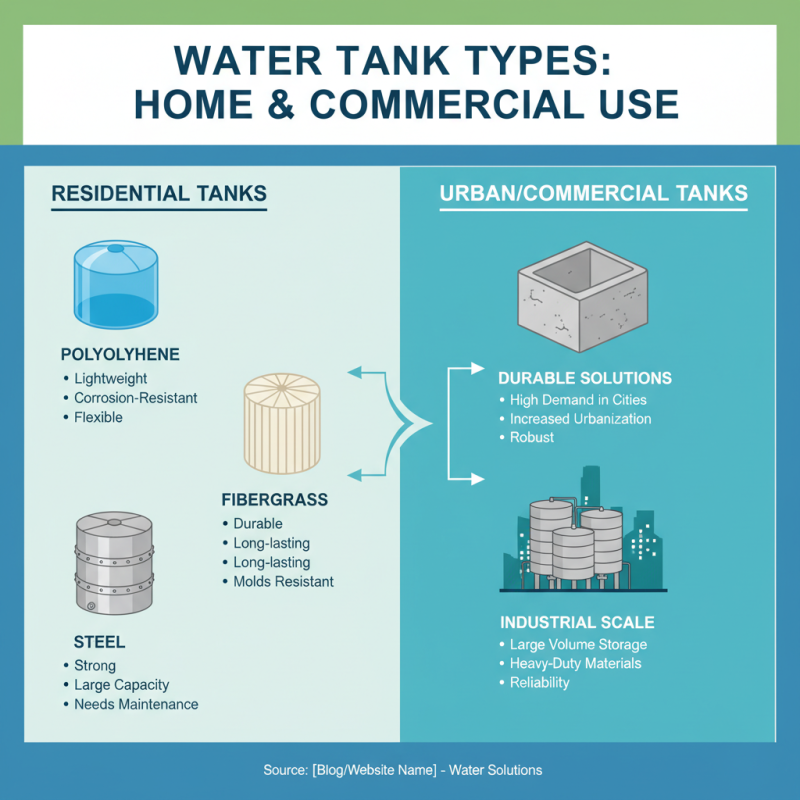
When considering water tank types for home and commercial use, it’s crucial to understand their diverse functionalities. Residential tanks often include polyethylene, fiberglass, and steel options. Polyethylene tanks are lightweight and resistant to corrosion, while fiberglass tanks provide durability. Steel tanks, on the other hand, offer strength but may require regular maintenance. In urban environments, you might notice more demand for these durable solutions, especially as urbanization increases.
According to a report by the Water and Wastewater Equipment Manufacturers Association (WWEMA), the water storage market is projected to grow significantly by 2026. This highlights the rising importance of selecting the right tank type to meet specific needs. Sustainable practices are becoming more prevalent; many new commercial properties emphasize rainwater harvesting and recycling systems. Despite this growth, some designs still lack adequate educational resources for consumers, leaving confusion about which choice fits their unique context best.
In regions prone to drought, concrete tanks might seem optimal due to their high volume capacity. However, challenges like weight and potentially high installation costs can deter homeowners. Balancing these options requires careful consideration of both immediate needs and long-term sustainability goals. Acknowledging these factors is crucial for anyone making decisions about water storage solutions.
Key Factors to Consider When Choosing a Water Tank
When selecting a water tank for your home or business, several key factors come into play. The tank material is vital. Common options include polyethylene, fiberglass, and steel. Each material has unique durability and maintenance needs. For example, fiberglass tanks resist corrosion but can be costly. Meanwhile, polyethylene tanks are lightweight and affordable but may not last as long under harsh conditions.
Capacity is another critical aspect. The average household needs about 80-100 gallons per day. In contrast, commercial units often require much larger tanks to meet demand. A report by the Water Research Foundation indicates that inadequate capacity can lead to shortages and service disruptions. This underlines the importance of proper sizing.
Additionally, consider installation space. Water tanks can be bulky. Ensure your location allows for appropriate access and maintenance. Some tanks may need special permits for installation. This can pose challenges, especially for businesses. This complexity can lead to delays and unplanned costs. These factors warrant careful thought to avoid common pitfalls in the selection process.
2026 Top Water Tank Types for Home and Commercial Use
Comparison of Materials Used in Water Tank Construction
When it comes to water tanks, different materials make a significant difference. The most common types include plastic, fiberglass, steel, and concrete. Each material has its pros and cons. For instance, plastic tanks are lightweight and easy to install. They are resistant to rust and corrosion. However, they can be less durable in extreme weather conditions.
Fiberglass tanks offer a great balance between strength and weight. They resist chemicals and offer a long lifespan. Yet, they can be more expensive than plastic options. Steel tanks are incredibly sturdy, ideal for large volumes of water. But they require proper coatings to prevent rust. Concrete tanks are very durable and can handle any weather. However, they are heavy and difficult to move.
Choosing the right material depends on your specific needs. Consider the location, expected use, and budget. Each option may serve a different purpose. Think about future maintenance as well. Sometimes, a decision that seems right initially may pose challenges later. Reflecting on these details is vital for making the best choice.
Advantages and Disadvantages of Different Water Tank Types
When choosing a water tank, consider the common types and their pros and cons. Plastic tanks are lightweight and resistant to corrosion, making them popular for residential use. However, they can degrade under UV exposure, limiting outdoor usage. Metal tanks, often made of steel, are sturdy and long-lasting. But they can rust if not properly coated.
Concrete tanks have excellent durability and thermal insulation. They are ideal for larger installations, like commercial properties. Unfortunately, they are challenging to transport and install. Fiberglass tanks offer good strength and resistance to chemicals. Yet, they can be more expensive and less available than other options.
Tips: Evaluate your water demand before choosing a tank. A tank that is too small will require frequent refilling, while an oversized tank may increase costs unnecessarily. Always consider maintenance needs. Regular checks can prevent leaks or damage and save money in the long run. Reflect on your environment. Some tanks may not suit your climate or location. Choose wisely to ensure long-term satisfaction with your investment.
Innovative Water Tank Solutions for Sustainable Living
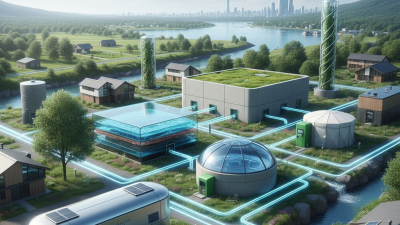
As we move towards sustainable living, innovative water tank solutions are gaining popularity. The importance of capturing and conserving rainwater cannot be overstated. New tank designs are not just functional; they promote eco-friendliness. For example, modular tanks can fit into small spaces, making them ideal for urban homes. They allow homeowners to store rainwater for irrigation, reducing reliance on municipal sources.
In commercial settings, larger tanks designed with advanced materials ensure durability and corrosion resistance. These tanks can be integrated into existing infrastructure, providing long-term water solutions. Some facilities even use smart technology to monitor water levels, optimizing usage. The challenge lies in the initial costs and installation complexities. Many businesses hesitate due to budget constraints.
Homeowners might struggle with the maintenance of these systems. Regular checks and cleaning are necessary to prevent contamination. It’s also worth noting that not every household may have access to these advanced systems. Finding affordable and effective solutions remains a work in progress. With ongoing research and innovation, the future of water tanks looks promising, but there are still hurdles to overcome.