Leave Your Message

Top 10 Benefits of Modular Water Tanks for Global Buyers?

In today’s rapidly changing world, the demand for effective water storage solutions is on the rise. Modular Water Tanks have emerged as a versatile option for various industries, including agriculture, construction, and disaster relief. These tanks offer a unique approach to water management, combining efficiency with adaptability.

The design of Modular Water Tanks allows for easy transport and installation. They can be customized to meet specific needs, reflecting the diverse requirements of global buyers. This adaptability is crucial for areas facing different climatic conditions. Moreover, the decision to choose modular tanks often stems from economic considerations and sustainability goals.

However, not all Modular Water Tanks are created equal. Potential buyers must carefully consider quality and supplier reputation. The market is flooded with options, leading to confusion and unanticipated challenges. Buyers should engage with experienced suppliers to ensure reliable choices and long-term benefits. Understanding these factors can significantly impact the effectiveness of water solutions.
Top 10 Benefits of Modular Water Tanks for Global Buyers?

Key Advantages of Modular Water Tanks for International Markets

Top 10 Benefits of Modular Water Tanks for Global Buyers?

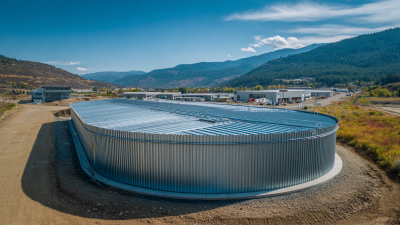
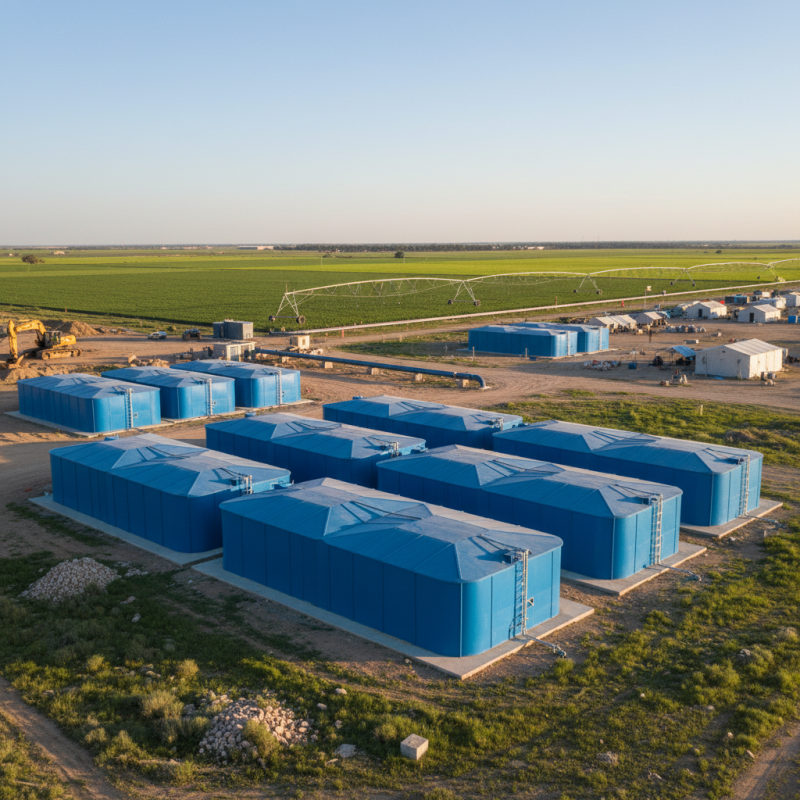
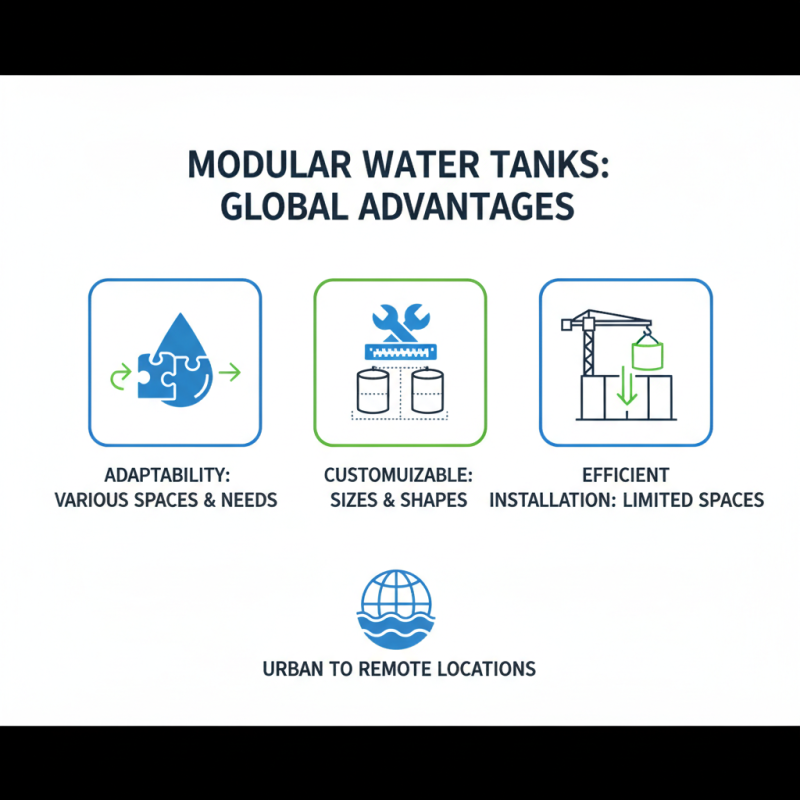
Modular water tanks are gaining attention in international markets. These tanks offer flexibility that traditional options cannot match. They are designed to adapt to various spaces and needs. This adaptability makes them ideal for diverse environments, from urban areas to remote locations. Buyers appreciate their customizable sizes and shapes. This feature allows for efficient installation in limited spaces.

Durability is another key advantage. Modular tanks are often made of robust materials. They withstand harsh weather conditions without compromising functionality. This reliability reinforces their appeal to global buyers. Additionally, these tanks provide excellent cost-effectiveness. Their modular construction means less material waste during production. Maintenance is also simplified, reducing long-term costs.

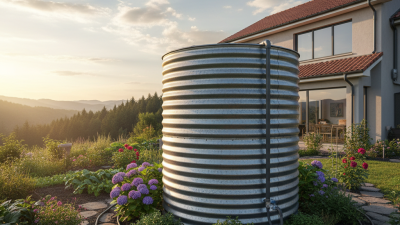
Sustainability is becoming increasingly important worldwide. Modular water tanks contribute to this goal by promoting efficient water management. They can be connected to rainwater harvesting systems, encouraging eco-friendly practices. However, not all tanks have the same environmental impact. Buyers must consider the materials used. Researching options is essential for informed decisions. This diligence ensures that the chosen water tank aligns with sustainability goals.
Versatile Applications of Modular Water Tanks Across Different Sectors

Modular water tanks are increasingly popular across various sectors due to their adaptability. These tanks offer flexible storage solutions for industrial, agricultural, and municipal applications. As per a recent market study, the global modular tank market is projected to grow at a CAGR of 5.2% from 2023 to 2030. This growth is fueled by the rising demand for efficient water management systems worldwide.

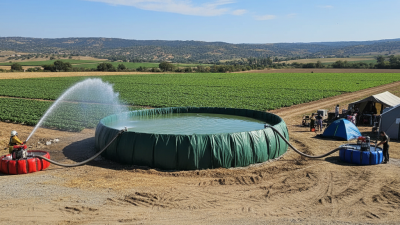
In agriculture, modular water tanks serve as essential resources for irrigation. Their easy installation and relocation make them ideal for changing crop patterns. A report by the Food and Agriculture Organization (FAO) highlights that efficient water storage can increase crop yields by up to 30%. This statistic underscores the critical role of modular tanks in sustainable farming practices.

Moreover, in emergency response situations, modular water tanks can be deployed rapidly. They provide immediate water supply when conventional systems fail. A study from the World Health Organization (WHO) emphasizes that access to clean water reduces disease transmission by over 50% during outbreaks. This statistic shows the life-saving potential of these tanks in critical conditions. However, challenges remain in ensuring the quality of stored water over time, which requires regular maintenance and monitoring.

Top 10 Benefits of Modular Water Tanks for Global Buyers

Benefit Description Applications
Modularity Can be easily expanded or reconfigured to meet changing needs. Agriculture, municipal water supply
Durability Constructed with materials resistant to corrosion and environmental stress. Industrial, irrigation systems
Cost-Effectiveness Lower installation and maintenance costs compared to traditional tanks. Residential, commercial properties
Versatility Suitable for various types of liquids, not just water. Chemical storage, firefighting
Space Efficiency Can be designed to fit challenging spaces. Urban environments, remote locations
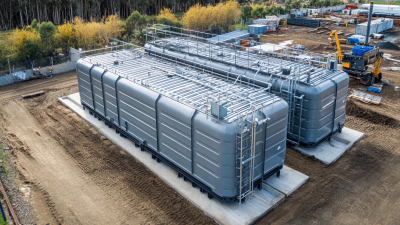
Easy Transportation Components can be shipped easily and assembled on-site. Construction sites, disaster relief
Low Environmental Impact Manufactured with eco-friendly materials and processes. Sustainable development initiatives
Customizability Can be tailored to meet specific requirements or specifications. Custom projects, specific industry needs
Rapid Installation Installation can be completed quickly, minimizing downtime. Temporary setups, quick deployment scenarios
Safety Features Designed with safety measures to prevent leaks and spills. Food and beverage, hazardous material storage

Cost-Effectiveness of Modular Water Tanks in Comparison to Traditional Solutions

Modular water tanks offer significant cost advantages over traditional solutions. They require less time to install, which can reduce labor expenses. Additionally, their modular design allows for easy expansion. You can connect units based on your needs, making them highly versatile. This adaptability means fewer resources are wasted on surplus capacity.

Maintenance plays a crucial role in cost-effectiveness. Modular tanks often require simpler upkeep than traditional systems. Their materials are designed to withstand harsh conditions, but inspections are still necessary. Over time, modular tanks can mitigate the risk of expensive repairs associated with fixed installations. However, their long-term efficiency must be consistently monitored.

A major challenge in choosing modular water tanks is initial setup costs. Sometimes, these can be higher than anticipated. Buyers may need to consider the benefits against upfront investments. Careful budgeting and planning can reveal their true value in the long run. Therefore, while modular tanks present initial hurdles, they can ultimately lead to significant savings.

Enhanced Flexibility and Scalability of Modular Water Tank Systems

Modular water tanks offer remarkable flexibility and scalability, making them increasingly popular among global buyers. According to industry research, the modular water tank market is projected to grow at a CAGR of 7.5% from 2021 to 2028. This growth reflects the demand for customizable solutions in water management systems. Buyers can tailor their water storage needs based on specific requirements, thus optimizing resource management.

These systems can be easily expanded as projects evolve. For example, a city might start with a small unit and add more tanks as its population grows. This adaptability significantly lowers installation costs. Furthermore, modular designs simplify maintenance and repair. Modules can be serviced independently, reducing downtime in critical systems. Ease of transport is another key benefit, facilitating relocation or scaling operations when necessary.

However, buyers should consider the potential challenges. The initial investment can be higher compared to traditional fixed tanks. Assessing long-term demands accurately is crucial to prevent over- or under-utilization. Flexibility may lead to complexity in system integration. Ensuring compatibility with existing infrastructure can present hurdles. As buyers navigate these factors, embracing modular systems can lead to innovative solutions in water management.

Sustainability and Environmental Benefits of Using Modular Water Tanks

The environmental impact of modular water tanks is significant. These systems efficiently conserve water. According to a 2021 report by the International Water Association, modular tanks can reduce water waste by up to 30%. This is crucial in areas facing water scarcity.

Modular water tanks are built with sustainable materials. They often utilize recycled plastics or metals. A 2022 study by the Global Water Partnership highlighted that using sustainable resources can lower the carbon footprint by nearly 25% compared to traditional tanks. This aligns with global sustainability goals.

Moreover, modular tanks are adaptable. They can be assembled and expanded based on specific needs. However, some installations face challenges. Improper assembly might lead to leaks. Regular inspections are essential. This ensures long-term efficiency and sustainability. Each installation requires careful planning to maximize benefits.