Top Benefits of Overhead Tanks for Global Buyers?
Overhead Tanks play a crucial role in modern water management systems. According to a recent report by the Global Water Management Association, over 60% of industries rely on overhead tanks for efficient water storage and distribution. This trend highlights the importance of investing in quality overhead solutions.
Expert John Anderson, a renowned figure in water infrastructure development, states, "Overhead Tanks are essential for balancing supply and demand in urban settings." His insight underscores the strategic value of these tanks in ensuring steady water access. However, the growth in demand for overhead tanks also brings challenges, such as material degradation and maintenance costs.
Many buyers overlook the long-term implications of their choices. The initial investment might seem high, but poor quality tanks can lead to frequent repairs and replacements. This calls for careful consideration of not just cost, but durability and functionality in overhead tank selection. Buyers should weigh their options against potential hidden costs that could arise in the future.
Advantages of Overhead Tanks for Water Storage Solutions
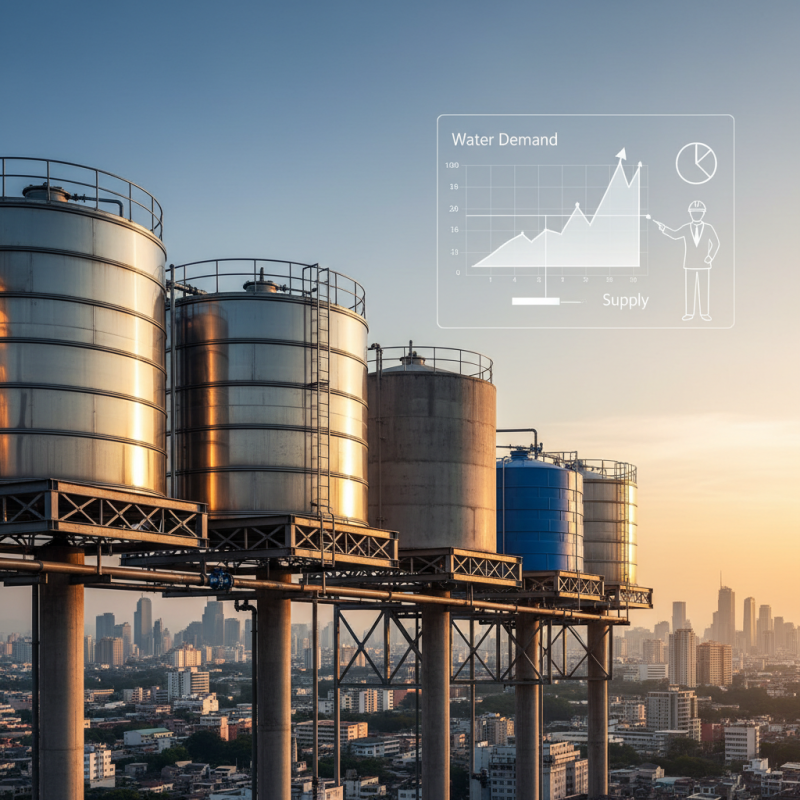
Overhead tanks are essential for effective water storage solutions around the world. They provide numerous advantages that can significantly impact both residential and commercial properties. One main benefit is their ability to utilize gravity for water distribution. This means less reliance on electric pumps, which can reduce energy consumption and lower utility bills.
Accessibility is another advantage. Overhead tanks allow for easy maintenance and inspection. This helps in detecting leaks or other issues before they escalate. Regular checks can prolong the lifespan of the tank. Proper upkeep ensures optimal performance and reliable water supply.
Tips: Ensure the tank is adequately sized for your needs. A larger tank may handle peak demands efficiently. Also, consider installing a filtration system to maintain water quality. Routine cleaning processes are essential. Water can stagnate, leading to unwanted sediment and growth of bacteria. Keep your water safe and clean by monitoring it frequently.
Overall, the benefits of overhead tanks resonate deeply with global buyers. Their efficiency in storage and distribution makes them a wise choice. However, it is essential to critically assess maintenance practices. Consistent monitoring is key to fully leveraging their advantages.
Enhancing Water Pressure with Overhead Tank Systems
Overhead tanks are crucial for enhancing water pressure in any building. These systems ensure that water flows consistently without interruption. When water is stored at a height, gravity automatically aids in delivering water efficiently to various locations. This setup is especially beneficial in taller structures, where ground-level pressure may be insufficient.
However, relying solely on overhead tanks has its challenges. Users may experience fluctuations in pressure due to varying water levels. Regular maintenance is crucial to avoid malfunctions. Some overhead tanks may rust or degrade over time, affecting water quality. This requires buyers to prioritize tank materials that resist corrosion. A well-maintained system ensures long-lasting performance and dependable water supply.
The layout of overhead tanks can also impact their efficiency. Sizing the tank correctly is essential. Oversized tanks can lead to wasted space, while undersized ones might not provide adequate pressure. Additionally, positioning must consider factors like drainage and nearby structures. Developing a tailored approach to tank installation can enhance water delivery and mitigate potential issues. It involves careful planning and professional insight to truly maximize benefits.
Cost-Effectiveness of Overhead Tanks in Urban Areas
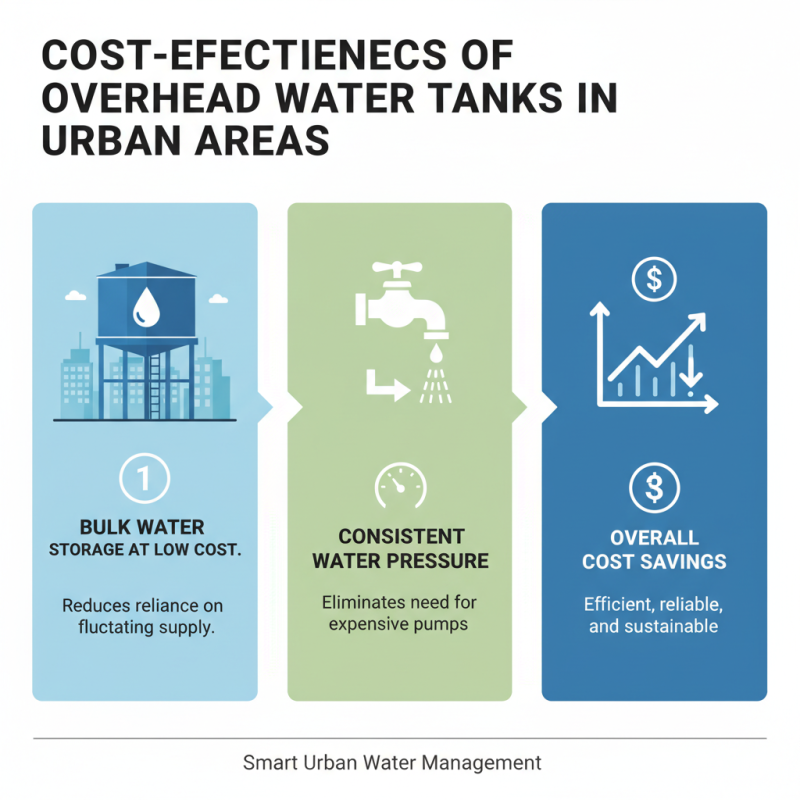
Overhead tanks offer significant cost-effectiveness, especially in urban areas. They can store large volumes of water at an affordable price. This is crucial in cities where water demand is high and supply can be inconsistent. An overhead tank allows for consistent water pressure, reducing the need for costly pumps.
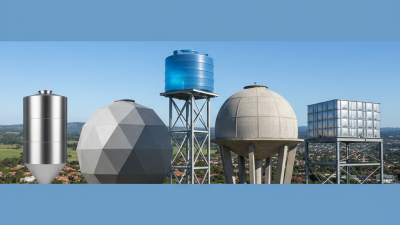
When considering overhead tanks, it’s essential to evaluate installation costs. Explore different materials to determine your best option. Concrete tanks may be durable but could escalate initial expenses. Plastic tanks are lighter and easier to install. However, their lifespan may be shorter, leading to potential replacements.
Tip: Regular maintenance can extend the lifespan of your tank. Check for leaks occasionally. A small leak can lead to significant wasted water and increased costs. It's also wise to inspect your tank’s structure to ensure it meets safety standards. Don't overlook these checks; they are essential for longevity and reliability.
Durability and Longevity: The Lifespan of Overhead Tanks
The durability and longevity of overhead tanks are critical factors for global buyers. Typically, these tanks are constructed from materials like fiberglass or reinforced concrete, which can last over 30 years with proper maintenance. A study from the Water Research Foundation highlights that well-designed overhead tanks significantly reduce the risk of leaks and structural failures.
Proper maintenance increases a tank's lifespan. Regular inspections are essential, as they help identify wear and tear before major issues arise. A common mistake is neglecting to check for sediment buildup. This can lead to corrosion and reduce the tank’s functionality.
Tips: Schedule periodic maintenance checks. This can extend the tank’s life and save costs in the long run. Additionally, consider using anti-corrosive coatings during installation. Such coatings can further enhance the durability of the tank, ensuring reliable performance for decades. While overhead tanks are built for longevity, remember that environmental factors can also impact their lifespan. Regular assessments are crucial to staying ahead of potential problems.
Top Benefits of Overhead Tanks for Global Buyers
Durability and Longevity: The Lifespan of Overhead Tanks
Sustainability Benefits of Using Overhead Water Tanks
Overhead water tanks are a sustainable solution for many communities. They help reduce water wastage by enabling efficient storage and distribution. These tanks are often built using durable materials that can withstand harsh weather conditions, ensuring a long service life. By utilizing gravity for water distribution, they require less energy compared to pump systems. This lowers energy consumption, promoting eco-friendly practices.
Using overhead tanks can also support local ecosystems. They prevent flooding by controlling runoff, allowing rainwater to be stored and used later. This water can nourish gardens or even supply households. Moreover, these tanks encourage rainwater harvesting, contributing to water conservation. In areas facing drought, this can be crucial for sustaining agriculture and local flora.
However, the maintenance of overhead tanks can be challenging. Regular cleaning and inspections are necessary to ensure water quality. Without proper care, they can become breeding grounds for mosquitoes. Communities need to be aware of these issues to fully benefit from the tanks. Education about best practices in tank maintenance is key for users. Striking a balance between benefits and upkeep is essential for long-term sustainability.
Top Benefits of Overhead Tanks for Global Buyers
| Benefit |
Description |
Sustainability Impact |
Cost Efficiency |
| Water Conservation |
Overhead tanks facilitate the collection and storage of rainwater, reducing dependency on municipal sources. |
Promotes sustainable water management practices. |
Low operational costs by minimizing water purchase. |
| Space Efficiency |
They utilize vertical space, leaving ground areas clear for other uses. |
Encourages urban density and efficient land use. |
Reduces the need for additional land acquisition. |
| Increased Water Accessibility |
Provides stored water pressure, ensuring efficient distribution in high-rise buildings. |
Enhances efficiency in water distribution systems. |
Reduces the need for additional pumping systems. |
| Emergency Water Supply |
Acts as a backup supply during water shortages or emergencies. |
Improves resilience against climate-related disruptions. |
Reduces costs associated with emergency water supply systems. |
| Improved Water Quality |
Allows for better sedimentation and filtration processes for stored water. |
Less chemical treatment needed, leading to a healthier ecosystem. |
Cost savings by using natural purification methods. |