Best Emergency Water Tanks for Global Procurement Needs?
In an unpredictable world, having reliable emergency water storage is vital. An Emergency Water Tank ensures access to clean water during crises. Whether natural disasters or infrastructure failures, these tanks play a crucial role.
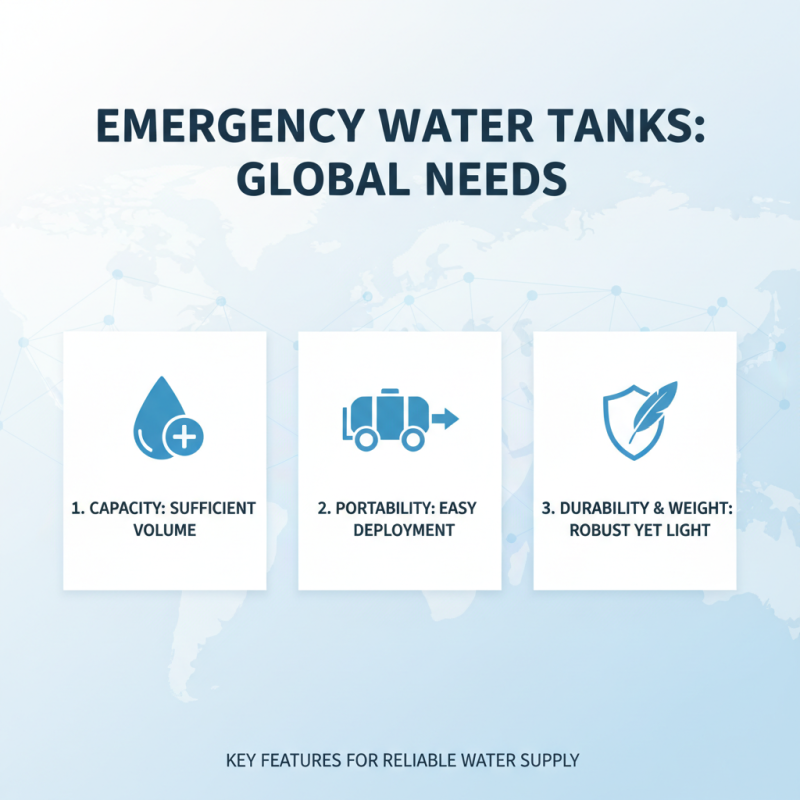
Selecting the right tank can be challenging. Numerous options flood the market, each with distinct features. It's essential to consider size, material, and portability. Some may be easily overlooked, but these factors greatly impact reliability.
Research shows that poorly chosen tanks can lead to water contamination. Not all suppliers provide clear information about their products. Therefore, identifying trustworthy sources is critical. You should prioritize quality over price. When faced with emergencies, hesitation and doubt can cost lives. Ultimately, investing time in choosing the best Emergency Water Tank can lead to safety and peace of mind.
Understanding the Importance of Emergency Water Tanks in Procurement
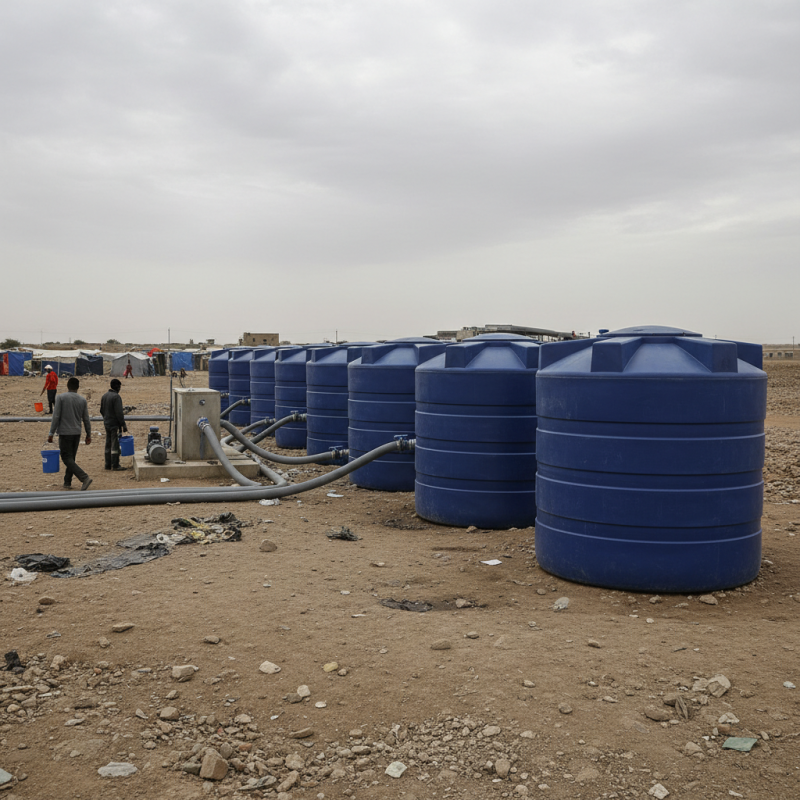
Emergency water tanks are critical for various organizations. They serve as a reliable water source during crises. In emergencies, access to clean water can be severely compromised. Hence, having a dedicated water storage solution ensures preparedness. Procurement experts recognize that these tanks can save lives when every minute counts.
The importance of these tanks extends beyond immediate needs. They provide peace of mind, knowing that resources are available. When considering procurement options, organizations must evaluate the quality and capacity of these tanks. Size and durability matter, as these tanks may need to withstand harsh conditions. Organizations often struggle with budget constraints, which can limit their options.
It's vital to assess local regulations regarding water storage. Compliance is essential to avoid legal issues in procurement. Many organizations may overlook this aspect, leading to complications later. Keeping safety and reliability in mind can improve decision-making. It’s not just about purchasing a tank; it’s about ensuring it meets future needs. The goal is to have a dependable solution in place before an emergency occurs.
Best Emergency Water Tanks for Global Procurement Needs
| Tank Type |
Capacity (Liters) |
Material |
Weight (kg) |
Durability (Years) |
Price Range (USD) |
| Collapsible Tank |
1000 |
PVC |
50 |
5 |
200 - 300 |
| Above Ground Tank |
5000 |
Polyethylene |
200 |
10 |
800 - 1200 |
| Underground Tank |
10000 |
Concrete |
500 |
20 |
3000 - 5000 |
| Water Bladder |
2000 |
Reinforced Fabric |
30 |
5 |
150 - 250 |
| Portable Tank |
500 |
HDPE |
70 |
6 |
400 - 600 |
Top Brands and Models for Emergency Water Tanks in Various Regions
When considering emergency water tanks, various regions have distinct needs. For example, tanks designed for arid climates must withstand high temperatures and prevent evaporation. In contrast, coastal areas may need tanks that resist corrosion from saltwater exposure. The material plays a critical role in ensuring long-term reliability. Tanks made from durable plastics or stainless steel often offer better performance.
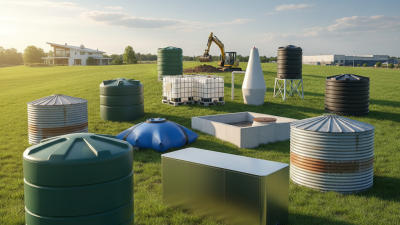
Top models vary significantly across different markets. Some tanks have unique designs that allow for easy transport and flexibility during crises. Others provide additional features like built-in filtration systems. The capacity of these tanks can range from small, portable options to large stationary units designed for community use. Each design must address specific cultural and environmental factors.
Choosing a reliable brand often involves careful consideration. Not all water tanks meet the basic standards for safety and durability. Some models may fail under pressure or degrade faster than expected. It is wise to research and read reviews from users in similar conditions. Gathering insights ensures that you select a tank that truly meets emergency needs.
Best Practices for Sourcing Emergency Water Tanks Globally
In today's world, securing reliable emergency water tanks is essential for disaster preparedness. When sourcing these tanks globally, it's crucial to consider factors like material quality and capacity. A recent report indicates that demand for emergency water storage solutions has surged by 30% over the past two years. This spike highlights the urgency of having adequate water supplies during crises.
Understanding regional regulations is vital. Different countries have varying standards for materials and safety. For instance, some regions prefer polyethylene tanks due to their lightweight properties. Others may favor steel tanks for durability. Misunderstanding these regulations can lead to compliance issues and delays in procurement.
It's also important to assess supplier reliability. Some suppliers might promise quick delivery, but past performance often reveals inconsistencies. Furthermore, logistics challenges such as transportation costs and lead times can impact emergency preparedness. Prioritizing suppliers with a proven track record can mitigate such risks. Reflecting on past procurement instances can provide valuable insights into improving future strategies.
Evaluating Cost-Effectiveness and Sustainability of Water Tanks
When evaluating emergency water tanks, cost-effectiveness is a critical aspect. Many options exist, yet prices vary widely. Materials play a significant role in determining and long-term viability.
Steel tanks may last longer than plastic, but upfront costs can be higher. Assessing long-term goals can help in making a sound investment.
Sustainability is another crucial factor in selection. Tanks constructed from recycled materials are becoming more popular. These options can reduce environmental impact significantly. However, the lifespan of such tanks should also be considered. Some may not withstand harsh conditions as well as traditional materials. Compromises may need to be made between price and sustainability, reflecting diverse procurement needs.
Moreover, it is essential to consider regional climate challenges. Areas prone to extreme temperatures may require specialized tanks. Regular maintenance is also vital to ensure the tanks function optimally. High maintenance can negate initial cost savings, requiring a comprehensive evaluation. Investing extra time in research can yield better overall outcomes for emergencies.