China Best Flexible Water Tanks for Global Buyers in 2026?
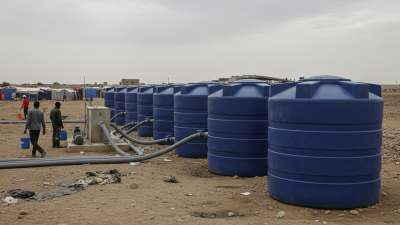
As the demand for versatile water storage solutions increases globally, the spotlight shines on Flexible Water Tanks. These innovative tanks offer a range of benefits, including portability and adaptability. They can be used for various applications, from agriculture to emergency response.
In 2026, China is set to become a leader in the production of Flexible Water Tanks. With advancements in materials and technology, these tanks will likely meet the needs of diverse buyers. Their lightweight design ensures easy transportation and installation, making them ideal for both rural and urban environments.
However, potential buyers must consider factors like durability and safety. While many suppliers boast high-quality products, not all deliver on their promises. Researching suppliers and understanding market trends will be vital for making informed purchasing decisions. Emphasizing reliability and quality will help buyers choose the best Flexible Water Tanks for their specific needs.
China's Leading Manufacturers of Flexible Water Tanks in 2026
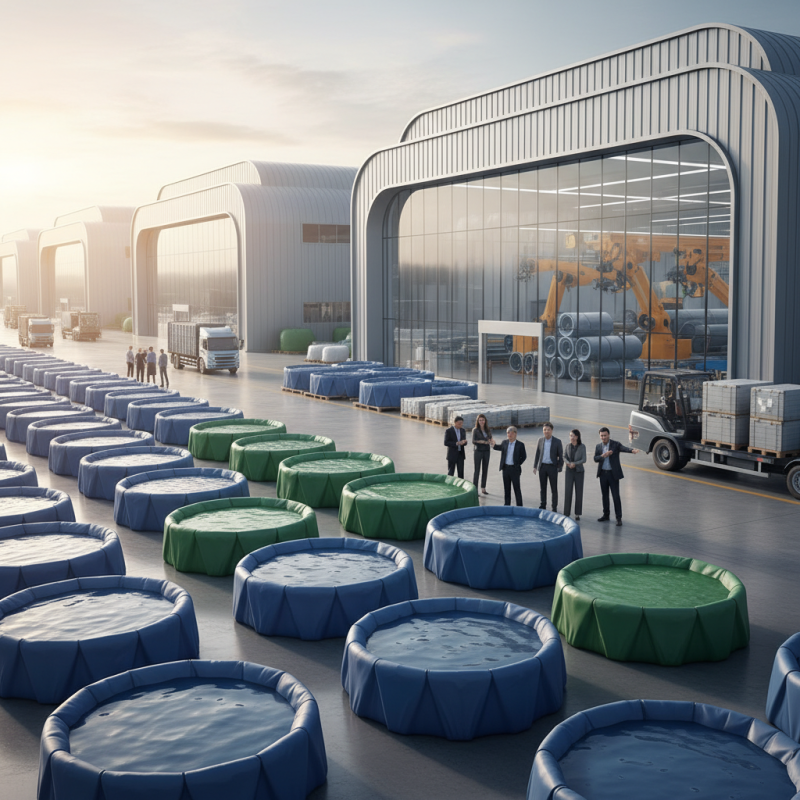
In 2026, China's flexible water tank manufacturing sector will likely thrive. As global demand for portable water storage solutions increases, Chinese manufacturers are stepping up their game. The focus is on producing tanks that can adapt to various environments. These tanks are not only lightweight but also easy to transport and set up.
Top manufacturers are investing in technology to enhance durability and performance. This progress is essential for industries like agriculture and emergency relief. However, some challenges remain. The environmental impact of production processes and materials used in flexible tanks needs further evaluation. Buyers may need to consider these factors when choosing suppliers.
Quality control and compliance are also critical. With varying standards, not all products meet global expectations. Buyers must do thorough research. They should look for manufacturers that prioritize quality and sustainability. This will ensure that the flexible water tanks they choose will serve their intended purpose effectively and reliably.
Top Flexible Water Tanks Market Trends in 2026
Key Features and Advantages of Flexible Water Tanks for Buyers
Flexible water tanks have gained significant attention in recent years, particularly among global buyers. Their adaptability to various applications has made them indispensable in industries such as agriculture and disaster response. According to a report by MarketsandMarkets, the flexible water tank market is projected to grow at a compound annual growth rate (CAGR) of 8.5%, indicating a robust demand.
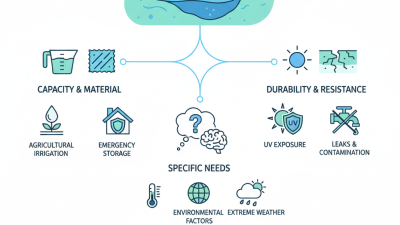
One of the key features of flexible water tanks is their lightweight design. Many options weigh just a fraction of traditional tanks, allowing for easy transport and installation. They can hold significant volumes, often up to 50,000 liters, yet can be folded and stored in small spaces. This versatility is crucial for emergency situations where rapid deployment is essential. Additionally, they are constructed with durable materials resistant to UV light and punctures, thus ensuring long-term reliability.
However, potential buyers should consider some limitations. While flexible tanks are versatile, they may not be suitable for all environments, such as extreme temperatures. Furthermore, the lack of rigid structure can lead to issues with stability when filled. Careful site selection and planning are essential to minimize these challenges. Understanding these nuances can help buyers make informed decisions when choosing the best options for their unique needs.
Market Trends for Water Storage Solutions in the Global Context
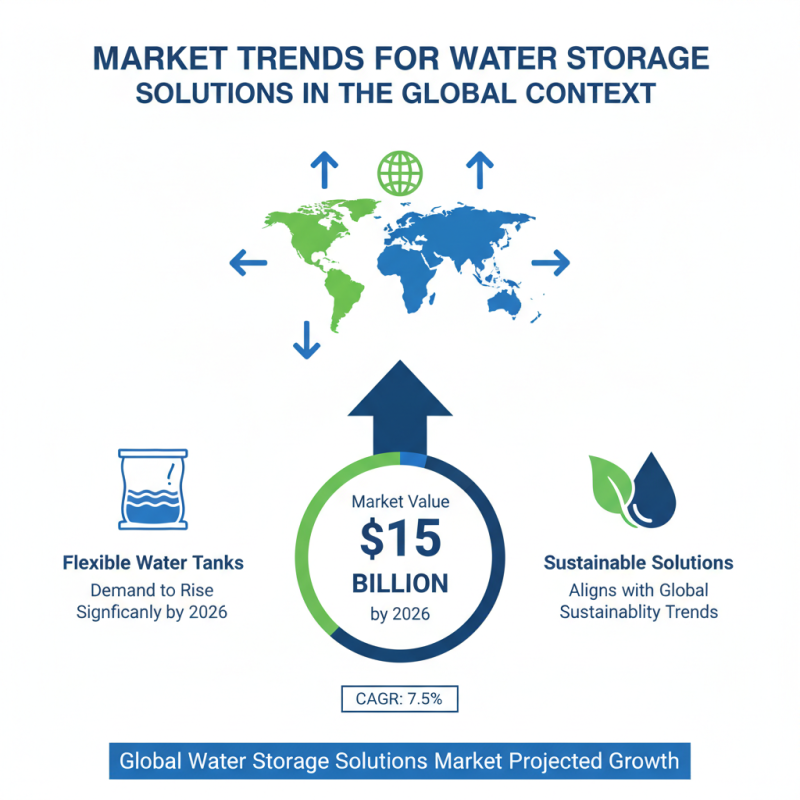
The demand for flexible water tanks is expected to rise significantly by 2026. This growth aligns with global trends emphasizing sustainable water storage solutions. According to recent market analysis, the water storage solutions market is projected to reach $15 billion by 2026, growing at a CAGR of 7.5%.
Regional changes are influencing this growth. In parts of Asia, urban expansion and increasing agricultural needs are driving demand for water storage. Surprisingly, many regions still lack sufficient infrastructure for traditional storage methods. This gap opens the door for flexible tanks, which are more adaptable and less expensive. Various studies indicate that these tanks can hold large volumes while occupying minimal space.
Environmental concerns also play a role. As rainfall patterns shift due to climate change, efficient water management becomes crucial. Flexible tanks offer quick deployment and can be used temporarily in disaster relief. However, questions remain about the long-term durability and environmental impact of materials used in some products. These uncertainties highlight the need for ongoing research and development in the industry.
Comparative Analysis of Flexible Water Tanks: China vs. Global Options
The flexible water tank market is evolving rapidly. In 2026, global buyers will face diverse choices. A recent industry report shows that China's market share in flexible water tanks could reach 40% by 2026. This is largely due to innovations in materials and design. Chinese manufacturers are investing heavily in technology to enhance durability and weather resistance. Their products also come at competitive prices.
However, global options have strengths as well. Countries like Germany and the USA emphasize stricter quality standards. Their tanks often offer advanced features. For instance, high UV resistance and better insulation are common. Yet, these advantages come with higher costs. Buyers must weigh these factors based on their specific needs.
One area for reflection is sustainability. While many Chinese tanks meet safety standards, concerns about long-term environmental impact remain. Global options often prioritize eco-friendly materials but may lack the same affordability. Buyers should consider both the short-term savings and long-term implications of their choices. Balancing initial cost against potential environmental costs is crucial in making informed decisions.
Future Innovations in Flexible Water Tank Technology and Design
As we look towards 2026, innovations in flexible water tank technology are gaining momentum. The demand for efficiency leads to new designs. Future tanks may use advanced materials that enhance durability. These materials can resist extreme weather and minimize leaks. They will also be lighter and easier to transport.
Tips: Always consider the tank's size and purpose before buying. A wrong choice can lead to wastage. Assessing your water storage needs is crucial.
The manufacturing process is evolving as well. Automation and smart technologies are becoming integral. Remote monitoring features might be standard soon. This can help users track water levels and quality seamlessly. However, these advancements come with challenges. Ensuring user-friendly interfaces is essential for widespread acceptance.
Tips: Keep an eye on warranty and service support. New tech can sometimes lead to unforeseen issues. Understanding these aspects can save hassle later.