Best Stainless Water Tank Options for Your Home and Health?
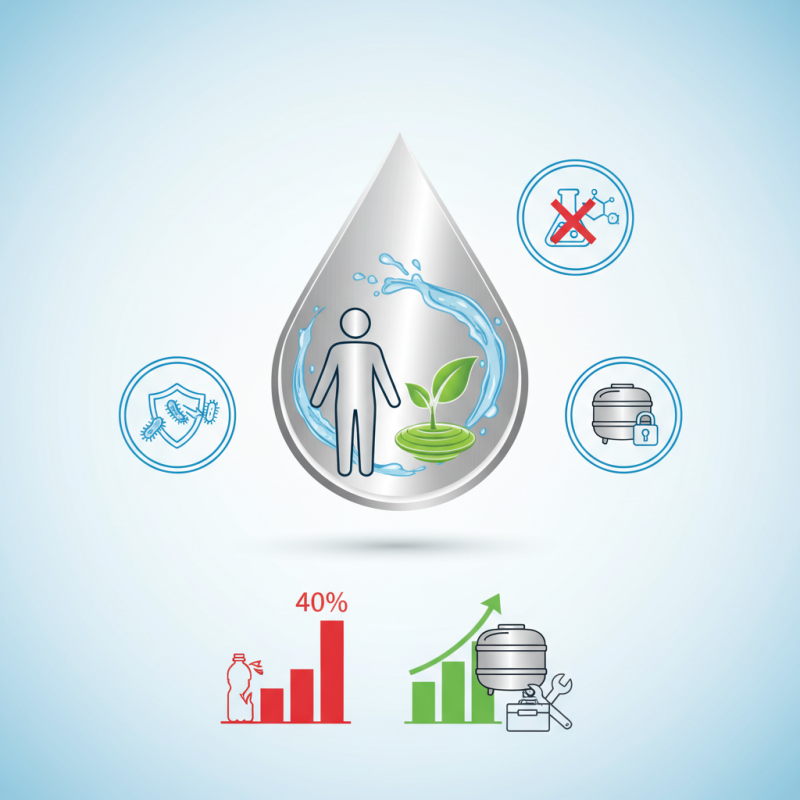
Choosing the right water tank is essential for both health and sustainability. Stainless Water Tanks are becoming increasingly popular. According to a report by the Water Quality Association, approximately 40% of households face water contamination issues. Stainless steel tanks offer an excellent solution. They resist bacterial growth and do not leach harmful chemicals.
Expert Mark Thompson emphasizes the importance of proper storage. He states, “Investing in a quality Stainless Water Tank can significantly improve drinking water safety.” Many consumers overlook the significance of water storage materials. Plastics may break down over time, posing a risk. Stainless steel, in contrast, provides durable and safe options.
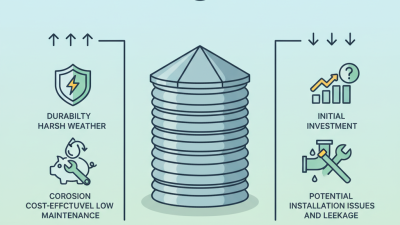
However, selecting the best tank can be a challenge. Various size options and designs are available. Some may find the initial cost higher than plastic alternatives. Still, considering long-term health benefits, the investment is worthwhile. Understanding the pros and cons of different materials helps in making informed decisions.
Understanding the Importance of Stainless Steel Water Tanks for Home Use
Stainless steel water tanks are becoming essential for home use. They are durable and resistant to corrosion. This means they can provide safer drinking water over long periods. According to a study from the Water Quality Association, stainless steel effectively inhibits bacterial growth, making it a safer choice for storage.
Having a reliable water tank is crucial for health. Stainless steel containers don’t leach chemicals, unlike some plastics. In fact, the World Health Organization highlights that plastic can release harmful substances into water. Studies show many households rely on these tanks, yet some still use outdated materials. This raises concerns about water quality.
Selecting the right water tank requires careful consideration. It's important to evaluate size and placement. Homeowners often overlook the tank's location, which can affect temperature and water quality. Not all tanks are equal. Some may not be as hygienic as others. Understanding these factors can help ensure better health for families.
Key Features to Look for in a Quality Stainless Steel Water Tank
When selecting a stainless steel water tank, several key features should guide your choice. First, consider the tank's capacity. A larger tank can store more water, which is ideal for bigger households. However, if the space is limited, smaller tanks can also be effective. Ensure the tank fits well in your designated area.
Look for corrosion resistance. Stainless steel is durable, but it's not immune to rust over time. A tank with a high nickel and chromium content offers better protection. Check for certifications too. They indicate that the tank meets health standards.
Installation is another factor. Some tanks are easier to install than others. If you're not a DIY expert, choose models that come with user-friendly guides. Finally, consider insulation. Well-insulated tanks maintain water temperature, reducing energy costs. A well-chosen stainless steel water tank can enhance your home’s water quality, benefiting your health in the long run. Make informed choices and reflect on your needs regularly.
Comparing Different Stainless Steel Water Tank Brands and Models
When choosing a stainless steel water tank, several factors come into play. Different brands offer various designs and capacities. Some tanks are better for hot water, while others excel in cold storage. Consider the tank's insulation and durability; these factors impact maintenance and energy efficiency. A good tank should resist rust and corrosion.
Look at the tank's footprint too. Smaller tanks save space but may not meet family needs. Larger tanks offer ample water supply but require more installation effort. Evaluate your installation options—some tanks come with pre-drilled mounting points. Be mindful of potential leaks or pressure issues that could arise.
Reading user reviews can provide insight into real-world performance. Customers often share feedback on longevity and usability. Pay attention to how brands handle warranty claims, as this can reflect the product's quality. A good water tank supports your health and daily needs, but it's crucial to choose wisely.
Stainless Steel Water Tank Capacity Comparison
Maintenance Tips to Ensure Longevity of Your Stainless Steel Water Tank
Stainless steel water tanks are a popular choice for many households. To ensure their longevity, regular maintenance is essential. Start by inspecting the tank for any signs of rust. Even a small rust spot can lead to bigger issues. Keep an eye on the joints and seams, as these areas are prone to corrosion.
Cleaning your tank is another critical step. Rinse it out periodically to remove sediment and prevent contamination. Use a mild soap solution to scrub the interior. Avoid harsh chemicals that could damage the stainless steel. Remember, a clean tank means safer water for your family.
Temperature fluctuations can affect the integrity of your tank. Installing insulation can help maintain stable temperatures and prevent condensation. Monitor water levels regularly as well. Low water levels can lead to excess air in the tank, which promotes rust development. Lastly, don't forget to ensure proper drainage. Blockages can cause water to stagnate, leading to unpleasant odors and health risks. Regular checks can save you significant repairs later.
Best Stainless Water Tank Options for Your Home and Health
| Tank Size (Liters) |
Material Thickness (mm) |
Insulation Type |
Maintenance Frequency (months) |
Average Lifespan (Years) |
Health Benefits |
| 500 |
1.2 |
None |
6 |
25 |
Rust-free, Safe for Drinking |
| 1000 |
1.5 |
Foam |
12 |
30 |
Prevents Contamination |
| 2000 |
2.0 |
Insulated |
8 |
35 |
Long-term Water Quality |
| 3000 |
2.5 |
Foam |
10 |
40 |
Eliminates Chemical Leach |
Health Benefits of Using Stainless Steel Over Other Water Storage Materials
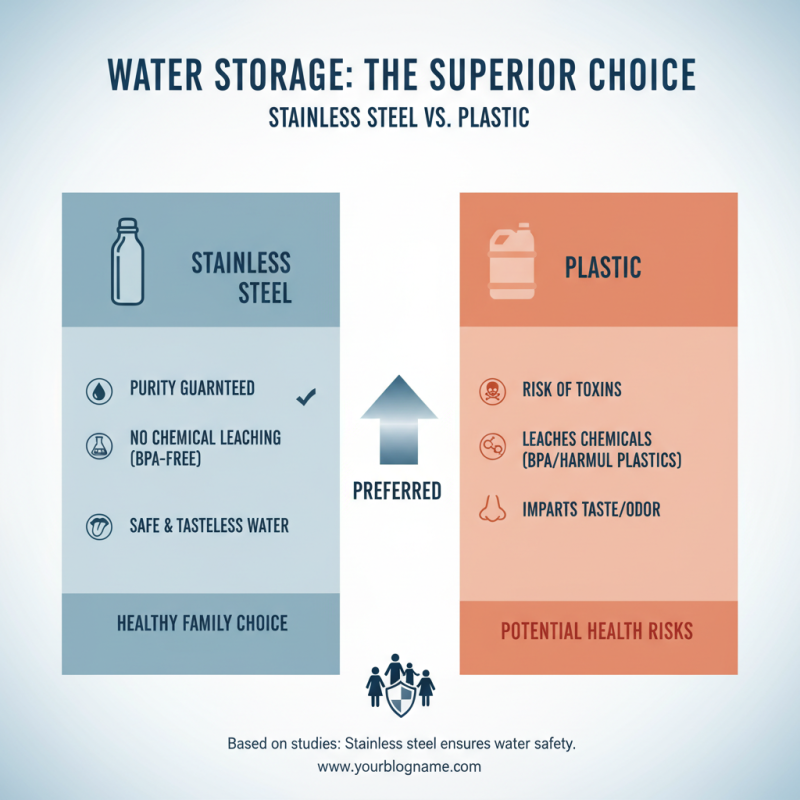
When considering water storage options, stainless steel often comes out on top. Unlike plastic, stainless steel does not leach harmful chemicals into water. Studies show that certain plastics can release toxins like BPA, especially when exposed to heat. Stainless steel ensures that your drinking water remains safe and tasteless. This is particularly important for families concerned about health risks associated with plastic containers.
Health experts emphasize the need for reliable water storage. A report from the World Health Organization indicates that clean water drastically reduces the risk of waterborne illnesses. Stainless steel tanks help maintain water purity over time, providing peace of mind for households. The material is resistant to corrosion and rust, which is vital in preventing contamination.
Tip: Regularly clean your stainless steel tanks with vinegar or baking soda. This can help eliminate odor and potential buildup. Consider investing in a high-quality filter for added protection. Remember, even the best storage solution requires maintenance to remain safe.
Stainless steel's durability is worth noting. However, it's heavier than plastic, making it harder to handle. Families should weigh the pros and cons based on their needs. It's crucial to choose the right size to avoid excess weight when filled with water.