What Are the Best Types of Irrigation Water Tanks?
Choosing the right Irrigation Water Tanks begins with a practical question: when does water arrive, and when will crops need it? FAO water reports estimate that agriculture accounts for about 70% of global freshwater withdrawals. That figure is global, not a forecast for any one farm. Local rainfall, soil, crop type, and pumping schedules can change the calculation sharply. Storage can help bridge dry spells and irregular deliveries. But a larger tank is not automatically better.
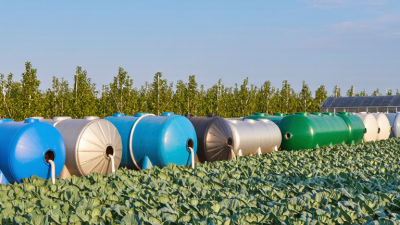
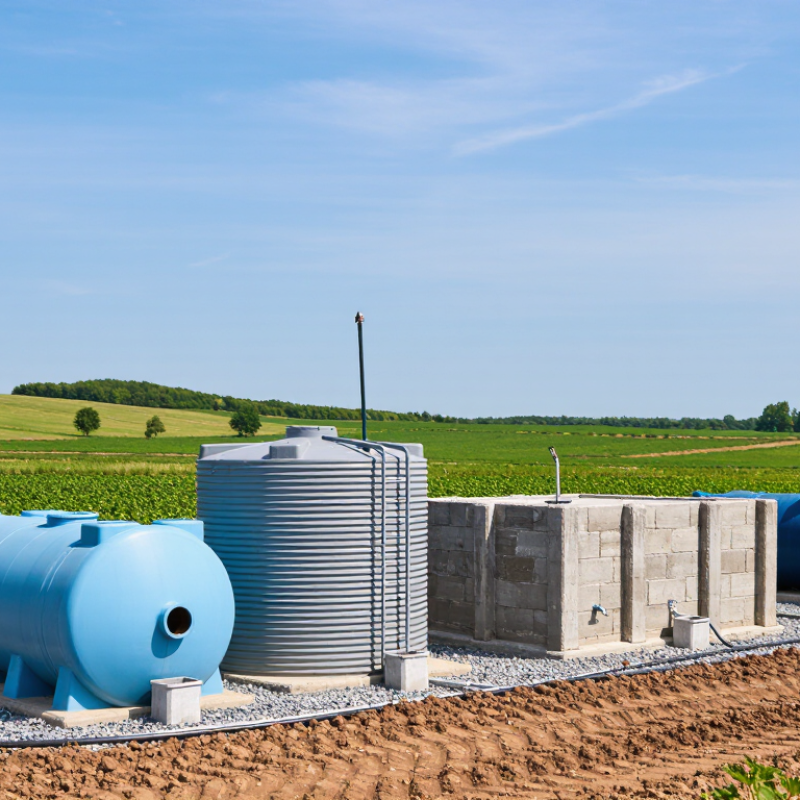
The options include polyethylene, galvanized steel, concrete, and flexible bladder tanks. Each suits different site conditions. Polyethylene tanks are relatively light and resist corrosion, while steel tanks can offer substantial capacity. Concrete can provide long service life, but needs a suitable foundation. Bladders pack down when empty, though placement and protection matter. Small details count: a level base, screened inlet, secure outlet, and accessible cleaning point can affect daily use. They are easy to overlook.
Water-policy expert Sandra Postel has warned, “We are in a race between water and population, and for now water is losing.” Her observation is not a tank-sizing rule, but it underlines why dependable water management matters. The best choice depends on usable capacity, water quality, installation cost, and maintenance—not just purchase price. Still, capacity estimates can miss real-world losses from leaks, evaporation, or changing demand. This guide compares the main tank types and the trade-offs growers should weigh before buying.
Main Types of Irrigation Water Tanks
Main Types of Irrigation Water Tanks
Polyethylene tanks are common on small and medium farms. They are lightweight, resist rust, and arrive in many capacities. Their smooth interiors are easy to rinse, though algae can grow if sunlight reaches stored water. Opaque construction and a fitted lid help limit light and debris. Check the tank’s outlet size before buying; a small connection can restrict pump flow.
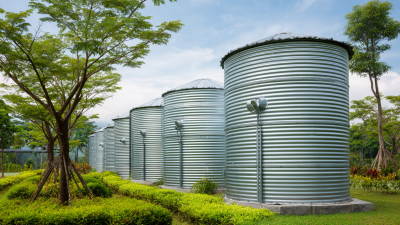
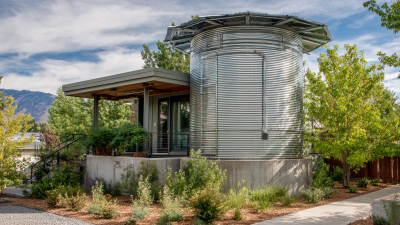
Steel tanks suit larger volumes and fixed installations. Galvanized or coated steel can provide sturdy storage, but damaged coatings may allow corrosion. Inspect seams, fittings, and the base regularly. A sound, level foundation matters. It is easy to underestimate the weight of a full tank.
Concrete tanks offer durable, high-capacity storage, especially where a permanent structure makes sense. They need careful construction and may require more planning than plastic units. Flexible fabric tanks are another option for temporary or remote sites. They fold away when empty, but sharp stones and rough ground can damage them. Tank choice depends on water demand, available space, climate, and maintenance capacity. A simple site check can reveal issues that a product comparison misses.
What Are the Best Types of Irrigation Water Tanks?
A comparison of representative material densities for common irrigation tank types
Approximate material density is shown in grams per cubic centimeter (g/cm³); actual values vary by material formulation and construction. Lower-density materials such as HDPE are generally easier to transport, while density alone does not determine a tank’s overall suitability. Consider capacity, site conditions, durability, and cost when choosing a tank.
How Tank Materials Affect Durability and Water Quality
What Are the Best Types of Irrigation Water Tanks?
How Tank Materials Affect Durability and Water Quality
Tank material influences how well stored water stays usable and how often repairs are needed. Polyethylene tanks are lightweight and resist rust, making them practical for many farms and gardens. Choose an opaque, UV-stabilized model to limit sunlight exposure and algae growth. Small details matter.
Steel tanks can handle large volumes, but damaged coatings may expose metal to moisture and corrosion. Their interior lining should suit the water being stored. Concrete tanks are sturdy and can last for years, though fresh concrete may affect water chemistry. Check water pH after installation rather than assuming it stays unchanged. No material is perfect; site conditions matter.
Tips: Inspect seams, fittings, and coatings at least once each season. Keep the tank shaded when possible, and remove sediment before it accumulates. If water develops an unusual taste, color, or odor, test it before using it on sensitive crops. A missed inspection happens; set a recurring reminder.
Comparing Tank Designs by Capacity and Installation Needs
Choosing an irrigation water tank means balancing stored volume with the space and access available. Slimline tanks fit beside sheds or narrow walls, but their capacity may be lower than a wide, round tank occupying a similar length. Check the tank’s full dimensions, including fittings, before planning the site. A tape measure helps. Small yards need careful planning.
Large round tanks can store more water, but they need a firm, level base and enough room for delivery and maintenance. Measure gates, paths, and overhead clearance; a tank that fits the plot may still be difficult to install.
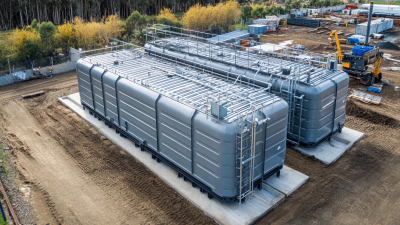
Modular tanks can be assembled on site, which helps when access is tight, though extra joints require careful inspection. Underground tanks preserve surface space, but excavation, soil conditions, and access for future cleaning affect the real cost.
Estimate demand from irrigated area and watering frequency, then add a practical reserve for dry spells. That estimate is rarely perfect, so review it against actual use after the first season.
Matching Tank Types to Crops and Irrigation Systems
Matching Tank Types to Crops and Irrigation Systems
The right irrigation tank depends on water demand, delivery method, and site conditions. Drip systems often need steady pressure and clean water, so a covered tank with a screened outlet can help limit debris. For small vegetable plots, a compact above-ground tank may be practical because it is easy to inspect and refill. Larger fields may call for greater storage, especially where rainfall or well supply varies through the season. Match tank capacity to peak use, not just average use. A tank that is too small can interrupt watering during hot, windy weeks.
Tips: Check outlet size, pump flow, and filter needs before choosing. Keep lids secure, and inspect sediment after heavy rain. Fit matters more.
Gravity-fed systems may work with an elevated tank, but the available height must provide enough pressure for the emitters. Sprinkler systems generally require higher flow, so check pump capacity and pipe losses as well as tank volume. For orchards, a durable tank near the pump can reduce long pipe runs, though shade and a stable base still matter. Above-ground tanks are easier to maintain; buried tanks save surface space but can be harder to inspect. I have seen plans overlook access for cleaning. That is an avoidable frustration. Recheck crop needs as plant size and weather change.
Maintenance Practices for Long-Term Tank Performance
A tank’s material shapes its maintenance routine. Steel surfaces need checks for rust, especially around welds, fittings, and the waterline. Polyethylene tanks need inspection for UV damage, bulging, and stressed connections. Concrete tanks require checks for cracks and seepage. Small defects matter. They can become expensive leaks.
The FAO’s 2021 report, The State of the World’s Land and Water Resources for Food and Agriculture, estimates that agriculture accounts for about 72% of global freshwater withdrawals. That makes preventing avoidable losses worthwhile. Clear inlet screens and filters regularly, and remove sediment when it begins to restrict flow.
Check lids, vents, overflow pipes, and seals for gaps or blockages. Keep a simple log of water levels, cleaning dates, and visible changes. USDA NRCS Conservation Practice Standard 436 includes operation and maintenance provisions for irrigation reservoirs; use its guidance alongside the tank maker’s instructions.
A monthly walk-around is practical, but it is not a substitute for a closer scheduled inspection. One weakness in many routines is relying on appearance alone: hidden leaks or corrosion may need a closer check.