10 Best Water Tanks for Efficient Water Storage Solutions?
Water storage is a critical consideration in both residential and commercial sectors. According to John Smith, a leading expert in the Water Tank industry, "Choosing the right water tank can significantly impact your efficiency." This proves true as the demand for reliable water storage solutions continues to rise.
Selecting the best water tank is not a simple task. Factors like size, material, and design play vital roles. Each option offers various benefits and drawbacks. Some tanks are designed for specific environments, while others claim versatility. Throughout the research, users may find themselves questioning their choices. The options can feel overwhelming.
It’s essential to remember that no water tank is perfect. Small leaks or potential maintenance issues can occur. The real challenge lies in how well a water tank meets individual needs. By understanding the nuances of water storage, users can make informed decisions. As we explore the 10 best water tanks for efficient solutions, consider what factors matter most for your situation.
Types of Water Tanks for Efficient Storage Solutions
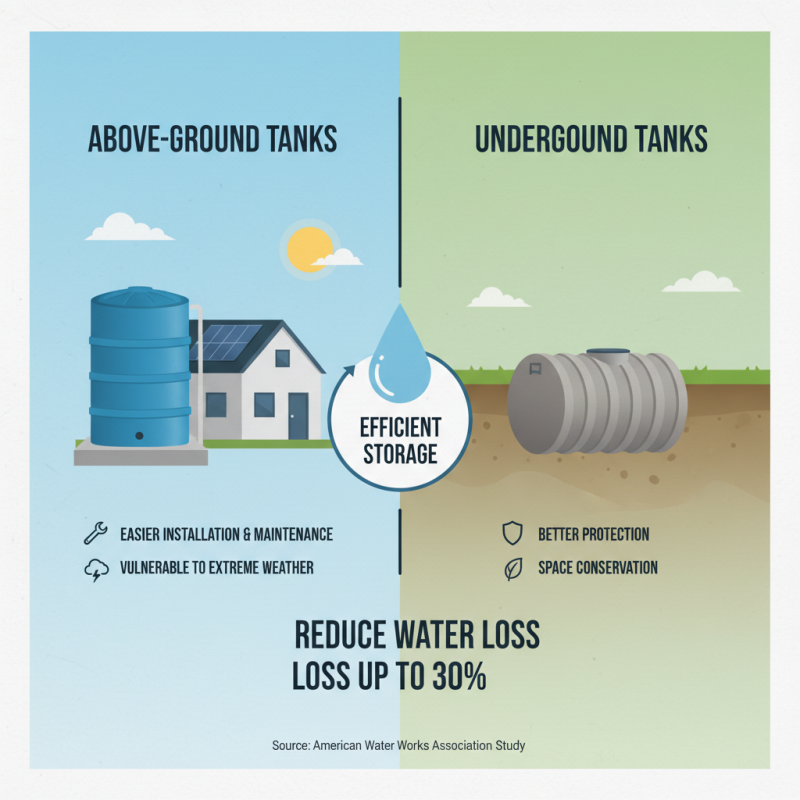
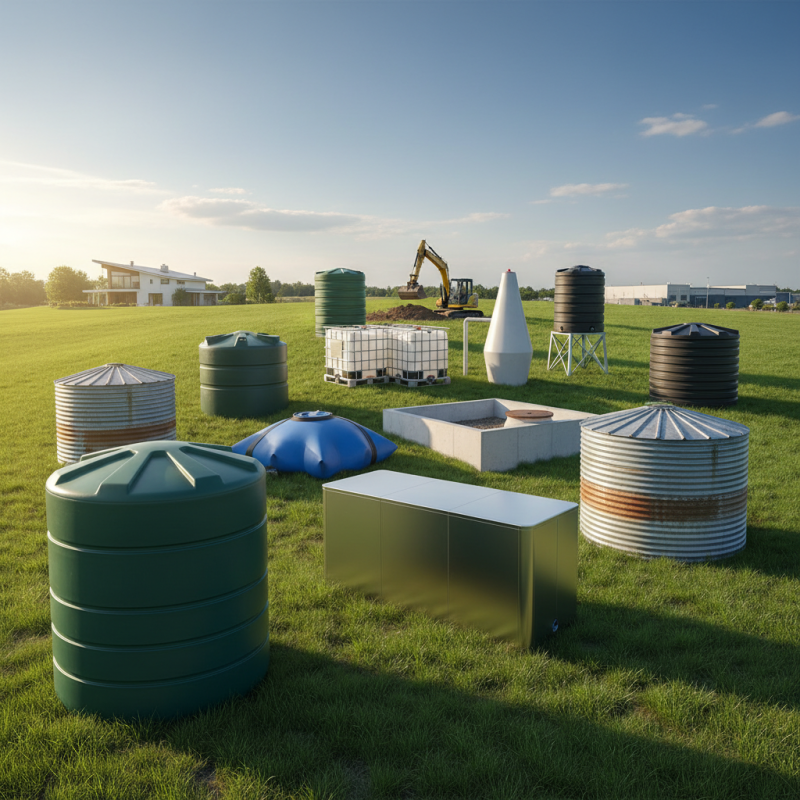
When considering types of water tanks for efficient storage solutions, there are several options. Above ground and underground tanks serve different needs. Above ground tanks are easier to install and maintain. However, they may be prone to damage from extreme weather. On the other hand, underground tanks offer better protection and space conservation. A study by the American Water Works Association reports that efficient storage can reduce water loss by up to 30% in municipal systems.
In addition to location, material choice is crucial. Common materials include plastic, fiberglass, and concrete. Plastic tanks are lightweight and resistant to corrosion. Yet, they may degrade under UV exposure. Concrete tanks, though durable, require more excavation and labor. A report from the Water Research Foundation shows that properly chosen tanks can increase water quality and reduce contamination risks.
Adequate sizing is another critical factor. Undersized tanks can lead to shortages in peak demand periods. Oversized tanks can result in unnecessary costs. Researchers emphasize the importance of accurate demand forecasting for optimal sizing. Balancing these factors ensures that water storage systems are efficient and reliable for all users.
Key Features to Consider When Choosing a Water Tank
When choosing a water tank, several key features are vital for effective storage. Capacity is the first consideration. Tanks come in various sizes, from small 250-gallon tanks to large 10,000-gallon models. Assess your needs based on usage. If you have a large family or run a farm, opt for bigger tanks.
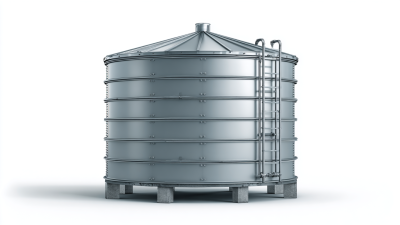
Material is equally important. Common options include polyethylene, steel, and fiberglass. Polyethylene tanks are lightweight and resist corrosion. However, they may not withstand extreme temperatures. Steel tanks offer durability but can rust without proper maintenance. Research shows that improper material choice can lead to leaks, which waste resources.
Tips: When selecting a tank, check for UV protection. This feature extends the lifespan of your water tank. Also, consider your local climate. Insulating your tank can save energy and keep water cool. Some factors might be overlooked, such as location. Place your tank away from direct sunlight to minimize algae growth. Understanding these nuances will help you make an informed decision.
Top 10 Water Tanks Reviewed for Durability and Efficiency
When considering water storage solutions, durability and efficiency are crucial. A robust water tank can withstand harsh weather conditions and prevent leaks. According to the Water Environment Federation, a good quality tank can last over 20 years with proper maintenance. Modern designs incorporate materials that resist corrosion, helping to maintain water purity.
Tips: Inspect your tank regularly. Visual checks can save you from larger issues later.
The size of the tank matters too. A larger tank may meet the demands of a growing household, but oversizing can lead to stagnation. A report from the American Water Works Association suggests that size should be calculated based on usage patterns, rainfall, and capacity needs. This ensures that the tank operates efficiently.
Tips: Calculate your daily water needs first. Understanding this can optimize your storage solution.
Not all tanks handle temperature extremes well. Some can become brittle in cold weather. This can lead to cracks and leaks, which are hard to repair. Choosing the right insulation can help mitigate temperature effects.
Tips: Insulate your tank if you live in extreme climates. It protects your investment.
Installation and Maintenance Tips for Water Tanks
When it comes to installing water tanks, site preparation is crucial. A solid base ensures stability.
It's vital to level the ground thoroughly. Use gravel or concrete for support. This will help avoid shifting over time.
Think about accessibility too. You’ll need room to maintain and clean the tank later.
Regular maintenance can extend the life of your water tank.
Inspect it at least twice a year. Look for cracks or leaks that can lead to big problems. Make sure the inlet filters are clean to prevent contamination.
Empty the tank occasionally to check for sediment buildup. This isn’t always easy. Sometimes, people forget or overlook these important checks.
Keeping a maintenance log can be helpful.
Moreover, consider the surrounding area. Vegetation can grow and cause issues.
Trim back plants to avoid debris falling in. Watch for signs of pests, as they can compromise the tank's integrity.
These details matter for effective water storage. Taking time to reflect on these practices matters.
Small lapses in maintenance can lead to larger issues. Stay proactive about these tasks.
Comparative Analysis of Costs for Different Water Tank Options
When exploring effective water storage solutions, the cost is a critical factor. Different options can vary significantly in price. For instance, plastic tanks are typically the most affordable, ranging from $0.50 to $1.00 per gallon. In contrast, concrete tanks can cost between $3.00 to $5.00 per gallon. This price disparity often leads homeowners to prioritize budget options but neglect long-term durability.
Another aspect to consider is installation and maintenance costs. Steel tanks, while more expensive initially at $2.00 to $3.00 per gallon, often require less upkeep compared to their plastic counterparts. According to industry reports, proper installation can enhance the lifespan of any tank by up to 20 years. Unfortunately, many users overlook the importance of correct placement and setup, leading to premature failures.
Capacity and intended use also impact cost-effectiveness. A 1,000-gallon plastic tank may seem economical for residential use. However, larger commercial needs could make steel or concrete options more viable long-term investments. Weighing short-term savings against lifespan can be challenging for consumers. Many find themselves regretting their choices when expenditures on repairs accumulate over time.
10 Best Water Tanks for Efficient Water Storage Solutions
| Tank Type |
Capacity (Gallons) |
Material |
Price Range ($) |
Durability (Years) |
| Polyethylene |
50 |
Plastic |
150 - 200 |
10 - 15 |
| Fiberglass |
100 |
Fiberglass |
300 - 500 |
30 - 50 |
| Steel |
150 |
Metal |
250 - 400 |
25 - 40 |
| Concrete |
200 |
Concrete |
500 - 700 |
50+ |
| Rainwater Harvesting Tank |
300 |
Recycled Plastic |
200 - 350 |
20 - 30 |
| Underground Tank |
1000 |
Polyethylene |
1000 - 1500 |
25 - 40 |
| Collapsible Tank |
250 |
PVC |
150 - 250 |
5 - 10 |
| Irrigation Tank |
500 |
Polyethylene |
300 - 450 |
15 - 20 |
| Fire Protection Tank |
750 |
Steel |
600 - 800 |
20 - 30 |
| Modular Tank |
400 |
Steel/Fiberglass |
400 - 600 |
10 - 20 |