Leave Your Message

China Top 10 HDG Water Tank Manufacturers?

Reliable water storage is becoming harder to ignore. The WHO/UNICEF Joint Monitoring Programme reported that 2.2 billion people lacked safely managed drinking water in 2022. The 2024 UN World Water Development Report also highlights increasing pressure on freshwater systems. These conditions make durable storage equipment more important for homes, farms, factories, and public facilities.

This guide examines China’s top 10 Hdg Water Tank manufacturers through practical and technical criteria. The review considers steel quality, zinc coating thickness, welding control, leak testing, panel design, installation support, export experience, and compliance with standards such as ISO 1461. Manufacturer claims alone are not enough. Factory audits, coating certificates, project references, and after-sales records reveal more.

Galvanizing expert Gregory Zhang, Ph.D., wrote, “The most important factor affecting the life of a galvanized coating is the environment in which it is exposed.” That warning matters. A tank beside a humid coast may age differently from one installed inland. Water chemistry, temperature, cleaning routines, and maintenance can change service life significantly.

A ranking is never absolute. It depends on capacity, budget, location, and project risk. Some suppliers excel at modular tanks, while others perform better with large industrial systems. A polished website proves little. This article therefore compares visible evidence, not marketing language, helping buyers identify dependable Hdg Water Tank manufacturers and avoid expensive surprises. Further testing would still improve any market ranking.
China Top 10 HDG Water Tank Manufacturers?

What Are HDG Water Tanks and Why Are They Used in China?

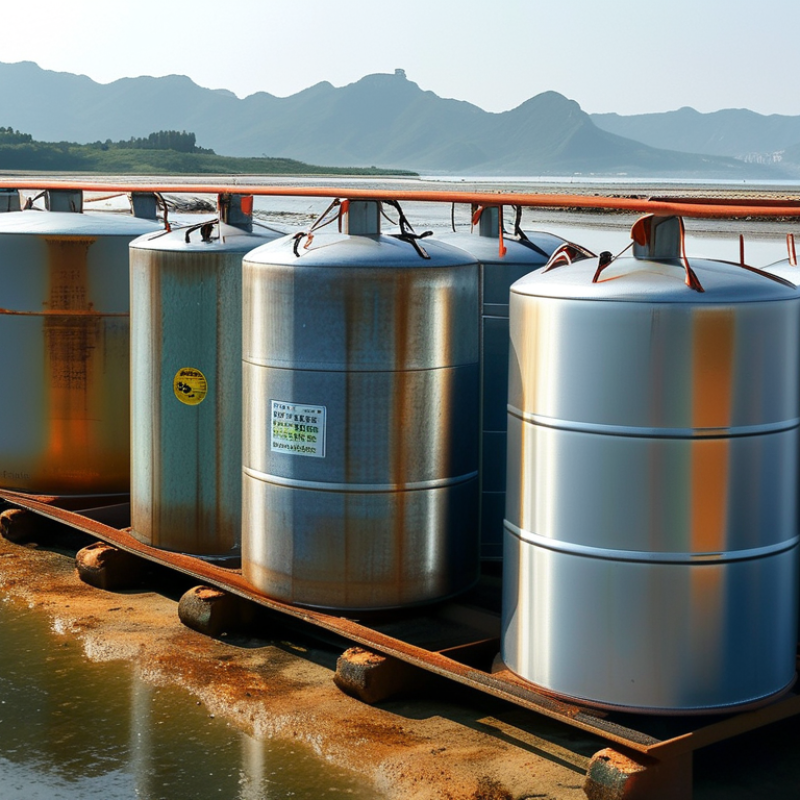
HDG water tanks are steel storage vessels coated with zinc through a hot-dip galvanizing process. Fabricators immerse cleaned steel in molten zinc, creating a metallurgically bonded protective layer. This coating shields the tank from moisture, oxygen, and many outdoor contaminants. In China, these tanks serve apartment compounds, factories, farms, schools, and emergency water systems. Their sectional panels can pass through narrow gates and assemble quickly on concrete foundations. That matters in dense cities and remote construction sites.

The main attraction is practical durability. A properly prepared coating can resist rust longer than ordinary painted steel in humid service. Galvanized panels also tolerate transport, handling, and routine installation. Engineers still check coating thickness, panel fit, bolts, seals, ladder safety, and foundation settlement. Drinking water requires suitable internal materials, hygienic design, cleaning access, and documented testing. Local climate changes the decision. Coastal salt, industrial fumes, and acidic or alkaline water may shorten service life. One specification cannot fit every province.

During a site inspection, an engineer should examine the zinc surface, especially around cut edges and bolt holes. Small damage is easy to overlook. That assumption can fail. Maintenance records should track leaks, sediment, corrosion marks, and cleaning dates. Some buyers focus only on capacity and price, then discover that weak foundations cause panel stress or uneven water levels. An HDG tank may perform well, but its reliability depends on accurate design, qualified installation, and regular inspection.
How to Evaluate China’s HDG Water Tank Manufacturers

China Top 10 HDG Water Tank Manufacturers?

Evaluating China’s HDG water tank manufacturers requires more than comparing prices. The WHO reports that 2.2 billion people lacked safely managed drinking water in 2022. Tank hygiene and durability therefore deserve serious attention. Ask for steel grades, zinc-coating records, welding procedures, and water-contact material declarations. ISO 1461 provides coating thickness requirements based on steel thickness, so request measured results, not vague claims such as “heavy galvanized.” A reliable manufacturer should also provide factory inspection reports, pressure or leakage test records, and traceable batch numbers.

Tips: Request a sample tank panel. Check coating uniformity, weld finishing, bolt quality, and internal cleanliness. Visit the factory if possible. Photos are not enough.

From practical supplier evaluations, production control often separates a dependable factory from a trading office. Confirm whether the company owns galvanizing and fabrication equipment, or outsources both processes. Review calibration certificates for coating gauges and testing instruments. The ISO 9001 certificate may support process credibility, but it does not prove tank quality by itself. Ask for references from similar climates and capacities. A manufacturer avoiding technical questions deserves caution. I have also found that polished documents can hide weak after-sales support, which is easy to underestimate. Allow space for uncertainty, and compare verified evidence rather than brochure language.

China’s Top 10 HDG Water Tank Manufacturers

China’s Top 10 HDG Water Tank Manufacturers are often evaluated through manufacturing depth, material control, and project experience. HDG means hot-dip galvanized, where steel panels receive a protective zinc coating after fabrication. This process helps resist rust in humid environments, but coating quality still varies between suppliers.

A reliable shortlist should include manufacturers with traceable steel certificates, documented galvanizing procedures, and consistent panel dimensions. Buyers should check zinc thickness, bolt quality, gasket performance, and weld-free construction details. A 1,000-cubic-meter tank also needs careful structural calculations, especially in areas with strong wind, earthquakes, or temperature changes. Factory inspections can reveal more than polished catalog images.

The strongest suppliers usually provide shop drawings, loading guidance, installation supervision, and water-tightness testing records. Ask for independent inspection reports when the tank serves drinking water or industrial production. Surface scratches during transport are easy to overlook. They can become early corrosion points if repairs are poorly completed. A ranking is never perfect. Some smaller manufacturers may offer stronger after-sales support than larger factories, while their export experience remains limited. Buyers should compare actual project references, response times, coating reports, and replacement policies before selecting among China’s top ten candidates.

China Top 10 HDG Water Tank Manufacturers — Hot-Dip Galvanizing Benchmark

Minimum zinc coating thickness requirements by steel thickness, based on ISO 1461 guidance for hot-dip galvanized fabricated steel products.

Thicker steel sections require higher minimum galvanized coating thickness. The chart compares the minimum local and average coating thickness values commonly used when evaluating HDG water tank panels, supports, and structural components. It presents industry-standard technical criteria rather than company or brand performance data.

How to Compare HDG Water Tank Suppliers and Product Specifications

How to Compare HDG Water Tank Suppliers and Product Specifications

Choosing an HDG water tank requires more than comparing prices in China’s large manufacturing market. Ask suppliers about steel grade, panel thickness, and galvanizing quality. A reliable supplier should provide coating measurements, production records, and independent inspection options. Look for hot-dip galvanized panels with consistent coverage, especially around bolt holes and panel edges. Small flaws often become visible after installation.

Compare the tank’s working capacity, not only its advertised volume. Check usable water level, overflow space, roof design, and cleaning access. For drinking water, request suitable liner certificates and material safety documents. For industrial use, review corrosion resistance, temperature limits, and chemical compatibility. Tank dimensions should match local wind, snow, and seismic conditions.

Experience matters during installation. Ask whether the supplier provides assembly drawings, torque requirements, foundation guidance, and trained technical support. Request photographs of completed projects and contactable references, if available. A clear warranty should separate coating defects, leakage, structural damage, and installation errors. Vague warranty language deserves attention.

Do not trust impressive brochures alone. Factory audits, sample testing, and video inspections can reveal practical details. I have seen suppliers offer thicker panels but weaker bolts, which creates an awkward compromise. The lowest quotation may exclude transport, accessories, or site testing. Compare every item in writing. Some specifications remain unclear until the tank reaches the site. That is where careful questioning matters.

China Top 10 HDG Water Tank Manufacturers? - How to Compare HDG Water Tank Suppliers and Product Specifications

Anonymous, non-branded comparison of commonly specified hot-dip galvanized sectional water tank configurations
Anonymous Supplier Profile Typical Tank Capacity Common Panel Configuration Typical Panel Thickness Approximate Zinc Coating Typical Design Pressure Common Tank Applications Relevant Standards to Verify Accessories Usually Available Key Evaluation Point
Supplier Profile 01 1–500 m³ Pressed sectional steel panels with external bolted joints 3.0–5.0 mm Typically 450–610 g/m² Atmospheric storage; hydrostatic head calculated by tank height Industrial process water, irrigation, fire-water storage Hot-dip galvanizing requirements, structural design code, local water regulations Manhole, roof vents, inlet, outlet, drain, overflow, ladder Check panel flatness, bolt-hole accuracy, gasket quality, and coating certificate
Supplier Profile 02 5–1,000 m³ Modular pressed panels with internal or external flanges 3.0–6.0 mm Typically 450–610 g/m² Designed according to water depth, panel arrangement, and site conditions Municipal water, commercial buildings, agricultural storage ISO 1461 or equivalent galvanizing specification; project structural code Roof frame, screened vent, level indicator, access ladder, pipe flanges Compare usable volume against nominal volume and verify internal dimensions
Supplier Profile 03 10–2,000 m³ Bolted sectional panels with hot-dip galvanized steel roof supports 3.0–8.0 mm Typically 450–610 g/m² Hydrostatic storage; seismic and wind loads require project-specific design Fire protection systems, cooling water, livestock water Fire-water and potable-water requirements where applicable Fire connection, vortex inhibitor, overflow, drain, internal tie rods Confirm whether the quotation includes fire-system fittings and testing
Supplier Profile 04 1–300 m³ Compact sectional panels for indoor or restricted-access installation 2.5–5.0 mm Typically 450–610 g/m² Usually limited by panel height and support arrangement Hotels, schools, apartment buildings, utility rooms Building code, hygiene requirements, and local pressure-testing rules Low-profile roof, indoor ladder, inspection hatch, float valve connection Assess transport dimensions, assembly clearance, and access for maintenance
Supplier Profile 05 50–5,000 m³ Heavy-duty modular panels with reinforced base and corner sections 4.0–8.0 mm Typically 450–610 g/m² Requires calculation for high water depth, wind, seismic, and foundation loads Large industrial plants, mining sites, remote infrastructure Project structural calculations and applicable tank fabrication standard External platform, reinforced roof, multiple inlets, access manway Review signed structural calculations and foundation loading data
Supplier Profile 06 5–800 m³ Galvanized sectional panels with replaceable bolted gasket joints 3.0–6.0 mm Typically 450–610 g/m² Atmospheric storage with site-specific hydrostatic verification Potable-water buffer storage and treated-water systems Material-contact, gasket, and drinking-water compliance requirements Food-grade gasket options, screened vent, cleanout, sampling connection Verify gasket material, potable-water approval, and cleaning procedure
Supplier Profile 07 10–1,500 m³ Pressed panels with galvanized internal bracing and sectional roof 3.0–7.0 mm Typically 450–610 g/m² Calculated from tank geometry, operating level, and environmental loads Water treatment plants, wastewater reuse, process-water storage Water-treatment project specifications and corrosion protection requirements Diffuser inlet, screened overflow, drain sump, internal supports Check corrosion allowance, drainage design, and access for inspection
Supplier Profile 08 1–1,000 m³ Standardized modular panels designed for rapid bolted assembly 3.0–6.0 mm Typically 450–610 g/m² Normally suitable for low- to medium-height storage tanks Construction projects, temporary facilities, general utility water General steelwork, galvanizing, lifting, and installation requirements Temporary supports, flexible connectors, drain valve, ladder, roof hatch Compare installation method, packing list, assembly drawings, and spare parts
Supplier Profile 09 20–3,000 m³ Large-format sectional panels with engineered base-frame options 4.0–8.0 mm Typically 450–610 g/m² Requires project-specific checks for seismic, wind, snow, and foundation loads Municipal reservoirs, factories, district utility systems Local civil, structural, fire-safety, and water-quality regulations Flow meter connection, roof access platform, multiple pipe penetrations Evaluate engineering support, drawing quality, tolerances, and site supervision
Supplier Profile 10 5–2,500 m³ HDG sectional panels with customizable fittings and roof layouts 3.0–8.0 mm Typically 450–610 g/m² Determined by tank height, panel thickness, bracing, and foundation design Mixed-use water storage, emergency reserve, industrial utilities Contract specifications, galvanizing standard, pressure-test and hygiene rules Custom flanges, level sensor port, overflow screen, roof vent, internal ladder Compare total installed cost, delivery scope, warranty terms, and documentation
Technical values shown are commonly specified market ranges rather than claims about any named manufacturer. Final selection should be based on certified coating results, signed structural calculations, material and gasket compliance, factory inspection records, leakage testing, and project-specific design requirements.

How to Choose the Right HDG Water Tank Manufacturer for Your Project

Choosing an HDG water tank manufacturer in China requires more than comparing prices. Hot-dip galvanizing quality affects service life, hygiene, and maintenance. Ask for coating thickness records, steel-grade certificates, welding procedures, and water-contact compliance documents. A reliable manufacturer should explain each production stage clearly. Vague answers are warning signs.

Match the tank to your site, not only your storage volume. Check local wind, seismic conditions, temperature changes, foundation tolerance, and installation access. Request drawings showing panel dimensions, bolt grades, gasket materials, ladders, vents, overflow pipes, and drain points. The supplier should provide a practical installation method and clear inspection steps. Independent coating tests can confirm adhesion and thickness. Factory photos help, but they are not proof. Ask for recent project references with similar capacity and climate. Speak with installation teams when possible. Their feedback may reveal delays, missing parts, or weak after-sales support.

A dependable manufacturer also controls traceability from raw steel to final packing. Packaging matters. Damaged galvanized edges can rust before commissioning. Do not accept the cheapest offer automatically. It may exclude foundation advice, spare gaskets, testing, or site support. Some specifications still need revision after a site survey. That is normal, and worth acknowledging. A careful selection process reduces avoidable repairs and installation disputes.