Why Choose Poly Water Tanks for Your Water Storage Needs?
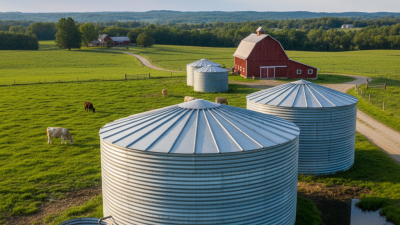
When it comes to efficient water storage, Poly Water Tanks stand out for their durability and flexibility. According to Dr. Jane Smith, a renowned expert in water management, "Poly Water Tanks provide a reliable solution for diverse storage needs." Her insights underscore the importance of choosing a robust option for residential and agricultural uses alike.
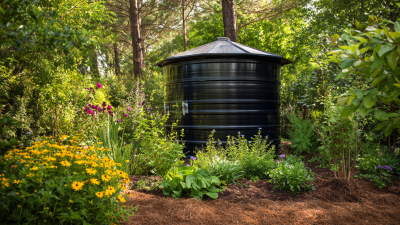
Poly Water Tanks are made from high-quality polyethylene. This material resists UV radiation and corrosion. As a result, they offer a long lifespan compared to traditional tanks. Their lightweight design allows for easier installation. Even in challenging environments, Poly Water Tanks adapt well.
Despite their advantages, some users may overlook maintenance needs. Regular checks can identify leaks or damage early. Investing in quality storage solutions like Poly Water Tanks ensures peace of mind. It enhances water conservation efforts in homes and farms. As we evaluate options for water storage, understanding these factors is crucial for informed decision-making.
Benefits of Poly Water Tanks for Efficient Water Storage
When it comes to water storage, poly water tanks stand out. They offer numerous advantages for various scenarios. One notable benefit is their resistance to corrosion. Unlike metal tanks, poly tanks won't deteriorate over time. This durability means less frequent replacements, saving you money and effort in the long run.
Another important aspect is insulation. Poly tanks maintain water temperature effectively. In colder climates, they prevent freezing. In warmer areas, they help keep water cool. This capability makes them suitable for both residential and agricultural purposes.
**Tip:** Always consider the location of your poly tank. Proper placement can enhance its effectiveness and longevity.
The lightweight nature of poly tanks facilitates easy installation. You can move them without heavy equipment. This feature also allows for quick delivery and setup. However, ensure that the foundation is stable. A poor base can lead to issues over time.
**Tip:** Regularly check for wear and tear. Look for cracks or discoloration to prevent leaks.
In terms of safety, poly water tanks are non-toxic. This quality is crucial, especially for drinking water storage. It ensures that the water remains clean and free from harmful chemicals. The versatility of poly tanks makes them a reliable choice for various applications.
Why Choose Poly Water Tanks for Your Water Storage Needs? - Benefits of Poly Water Tanks for Efficient Water Storage
| Feature |
Description |
Benefits |
| Durability |
Made from UV stabilized polyethylene |
Resistant to warping, cracking and fading |
| Lightweight |
Easy to handle and transport |
Reduced installation costs and labor |
| Corrosion Resistance |
Non-corrosive material |
Longer lifespan compared to metal tanks |
| Customization |
Available in various colors and sizes |
Meets specific storage needs and preferences |
| Cost-Effectiveness |
Affordable compared to traditional tanks |
Lower initial investment and maintenance costs |
Durability and Longevity of Polyethylene Tanks
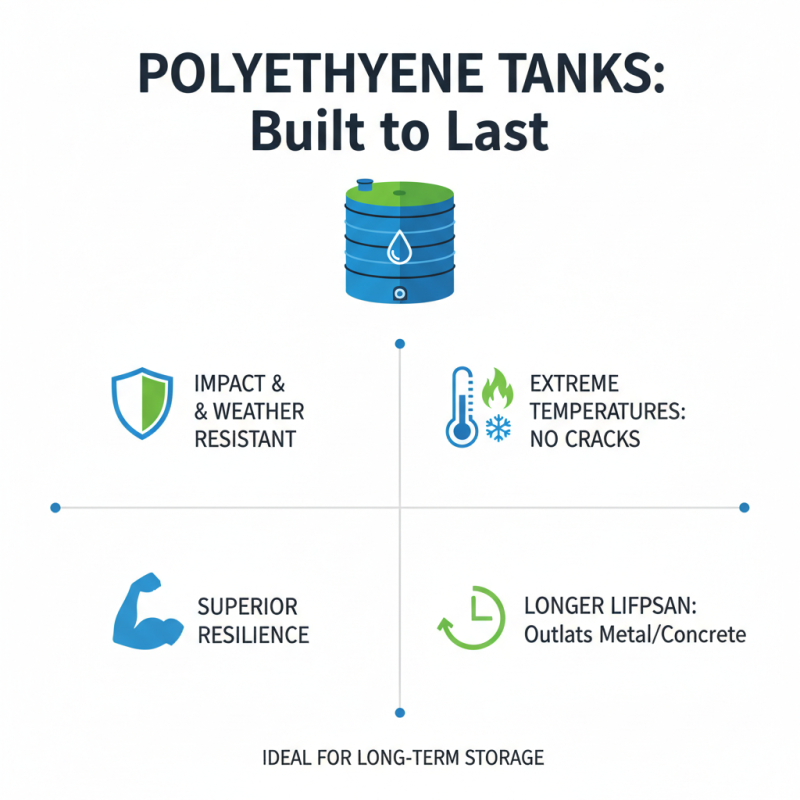
Polyethylene tanks stand out for their durability and longevity. Made from high-density polyethylene, these tanks resist impacts and harsh weather. They can handle extreme temperatures without cracking. This resilience is crucial for long-term water storage solutions. In many environments, they outlast traditional materials like metal or concrete.
One notable benefit is their lightweight nature. This makes installation easier and often less expensive. However, while these tanks are designed to endure, users must still consider maintenance. UV exposure can degrade the tank's surface over time. Regular inspections help identify any wear and tear early on.
Moreover, some users have faced issues with algae growth in dark tanks. This problem can be managed with proper maintenance routines. Still, it highlights the importance of regular care. Choosing the right tank is essential. While polyethylene tanks offer many benefits, aware usage is key to maximizing their lifespan.
Environmental Considerations of Poly Water Tanks
Poly water tanks are gaining popularity due to their environmental benefits. These tanks are made from recyclable materials, reducing waste. Unlike steel or concrete, poly tanks are lighter and easier to transport, which minimizes our carbon footprint during manufacturing and installation. They require less energy to produce, making them a more sustainable choice.
Rainwater harvesting is increasingly important. Poly tanks can collect and store rainwater effectively. This practice decreases reliance on municipal water sources. Collecting rainwater not only conserves a precious resource but also helps reduce stormwater runoff. However, care must be taken to maintain these tanks. Proper cleaning and maintenance are essential to prevent contamination.
Another consideration is the longevity of materials. Poly tanks may degrade over time under sunlight exposure. This raises concerns about microplastics entering the environment when they break down. It’s vital for users to be aware of this potential issue. Regular inspections can help prolong their lifespan and mitigate risks. This highlights the need for responsible use and ongoing education in sustainable water management practices.
Environmental Considerations of Poly Water Tanks
Installation and Maintenance Tips for Poly Tanks
When it comes to installing poly water tanks,
planning is crucial. Choose a flat and stable site to avoid uneven settling. The ground
should be strong enough to support the weight of the tank when full. This can prevent
future issues like cracks or leaks. Using a sand pad
or gravel base can enhance the stability of the tank. Ensure that there’s enough space
for maintenance and inspections.
Maintenance is equally important
for the longevity of your poly tank. Regularly check for any signs of damage, such as
cracks or fading. Clean the tank interior periodically to avoid algae buildup. Using a
soft brush and mild detergent works well.
Guard against debris and dirt entering the tank through the inlet. Consider installing a
filter to keep the water clean. With
proper care, these tanks can last many years. Don’t neglect these tasks. Ignoring them
can lead to costly repairs or even replacement.
Cost-Effectiveness of Poly Water Tanks Compared to Alternatives
Poly water tanks offer an excellent solution for various water storage needs. One major advantage is their cost-effectiveness compared to traditional materials. When considering upfront costs, poly tanks often show lower prices than metal or concrete options. This can significantly benefit budget-conscious consumers.
Maintenance costs for poly tanks are also lower. They resist corrosion and rust, reducing the need for regular repairs. Think about long-term savings. Choosing a poly tank can mean fewer expenses over time. This durability adds to their appeal.
Tip: Always check the tank's thickness and UV resistance. These factors can affect the tank's lifespan and performance.
Another point to consider is installation costs. Poly tanks are usually
lighter than alternative materials. This means they can be easier and cheaper to transport. Installation time is less, which saves labor costs. However, it’s essential to consider
local regulatory requirements.
Tip: Explore local resources or forums for advice on tank installation.
In summary, poly water tanks present a
sensible choice for those prioritizing cost and reliability. Pay attention to details, and pick options that genuinely fit your needs. Always reflect on your choices to ensure you make the best investment possible.