2026 How to Choose the Best Corrugated Steel Water Tank?
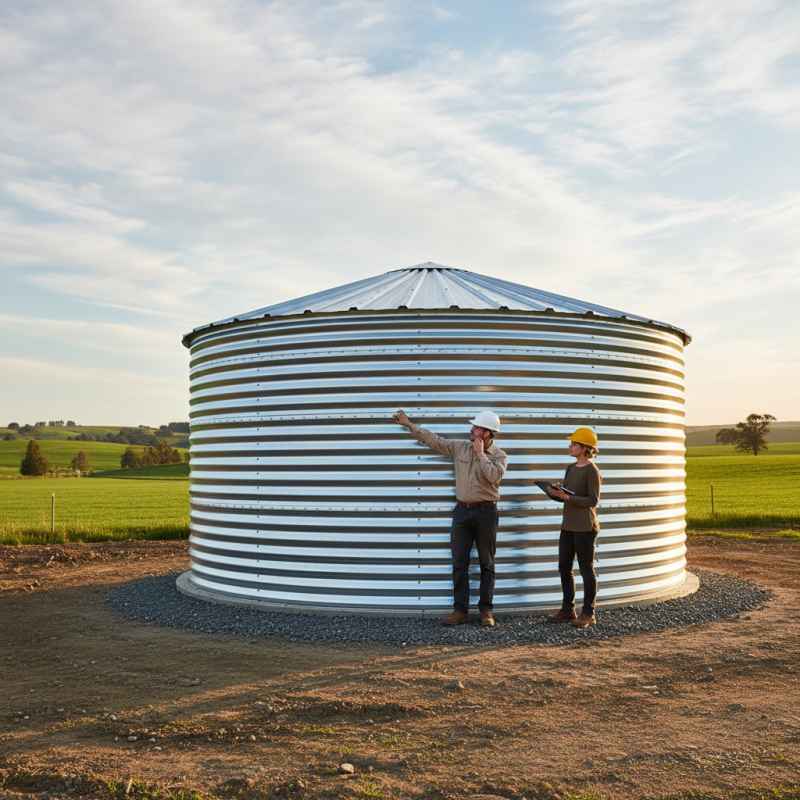
Choosing the right corrugated steel water tank requires careful consideration. These tanks are popular for their durability and affordability. However, not all tanks are created equal. Factors such as size, purpose, and location are crucial in decision-making.
For example, a residential setup might need a smaller tank, while agricultural use demands a larger capacity. Attention to detail becomes essential. The tank’s corrosion resistance and insulation properties affect its lifespan. Users often overlook these features, leading to premature failures.
Furthermore, it’s vital to research manufacturers and their reputations. Trustworthy suppliers provide warranties and support. This guidance can significantly impact your investment in a corrugated steel water tank. Always remain skeptical and verify claims made by sellers. Making informed choices ensures a reliable water supply for years to come.
Factors to Consider When Selecting a Corrugated Steel Water Tank
When selecting a corrugated steel water tank, several critical factors need consideration. The tank's capacity should match your water needs. An average household may require a minimum of 1,000 gallons. For larger agricultural operations, capacities can exceed 10,000 gallons. Selecting the right size impacts efficiency and water management.
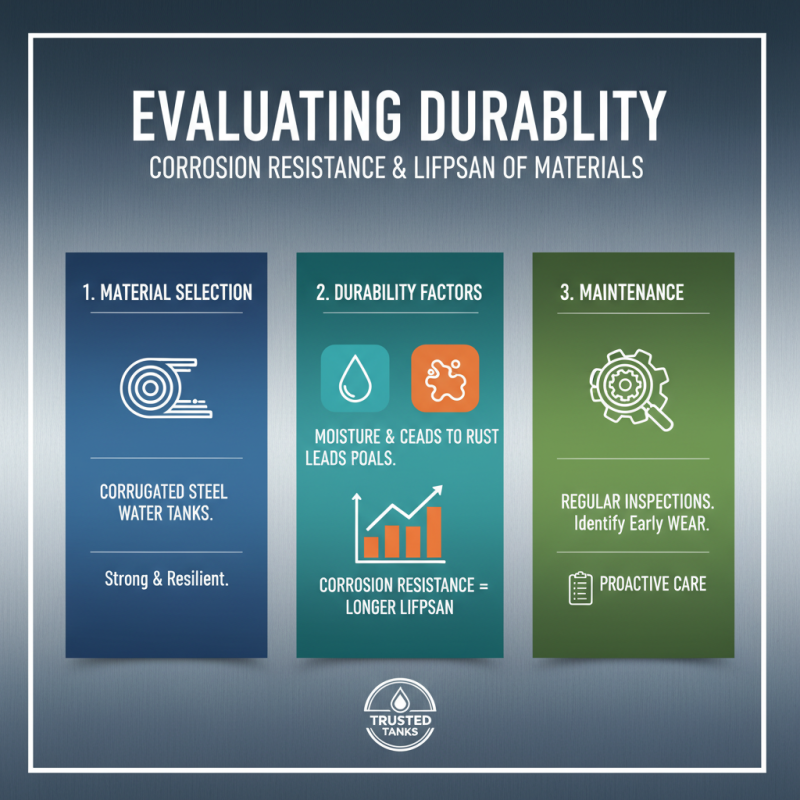
Durability is another significant factor. According to the American Galvanizers Association, properly galvanized steel can resist corrosion for over 50 years. This longevity should be weighed against initial costs. A cheaper option may have a shorter lifespan, ultimately leading to higher replacement costs. Additionally, consider the tank's coating. A higher-quality coating improves resistance to environmental factors.
Location and installation matter, too. The tank must be positioned on a stable, level base. This prevents shifting and reduces the risk of leaks. Local climate can affect tank performance. For instance, freezing temperatures may require additional insulation. Researching site conditions helps tailor the tank to specific needs. Always prioritize local regulations to avoid complications.
2026 How to Choose the Best Corrugated Steel Water Tank?
This chart illustrates the key factors to consider when selecting a corrugated steel water tank, including Capacity, Durability, Cost, and Maintenance.
Understanding Storage Capacity: How Much Water Do You Need?
When considering a corrugated steel water tank, understanding your storage capacity is crucial. Begin by assessing your daily water needs. Are you using water for agriculture, livestock, or domestic purposes? Each of these applications has different requirements. For instance, a family of four might need around 150 gallons per day. This figure could vary based on climate and consumption habits.
Tip: Calculate your peak water usage during a dry season. This will ensure you have enough storage when demand is high. Consider potential future needs as well. If you plan to expand your usage, add a buffer to your capacity calculations.
Water tank sizing is not one-size-fits-all. Some may underestimate their needs, leading to shortages. Others build larger tanks, resulting in wasted resources. Be honest about your consumption. Evaluate your past usage patterns, and rethink those numbers. This reflection will lead to more accurate decisions and potential savings.
Tip: Consult with experts or local farmers to better gauge typical water usage. Their experiences can offer valuable insights. Accurate assessments today will support your water needs in the future.
2026 How to Choose the Best Corrugated Steel Water Tank? - Understanding Storage Capacity: How Much Water Do You Need?
| Tank Size (Gallons) |
Diameter (Feet) |
Height (Feet) |
Estimated Users |
Monthly Water Usage (Gallons) |
| 1000 |
4 |
3 |
3-5 |
3000 |
| 2000 |
5 |
4 |
6-10 |
6000 |
| 3000 |
6 |
5 |
10-15 |
9000 |
| 5000 |
8 |
6 |
15-25 |
15000 |
| 10000 |
10 |
8 |
25-40 |
30000 |
Comparing Cost-Effectiveness: Initial Investment vs. Long-Term Maintenance
When considering a corrugated steel water tank, evaluating cost-effectiveness is crucial. The initial investment often captures attention. On average, businesses spend around $2,000 to $5,000 for a standard-sized tank. However, this figure can vary significantly based on capacity and customization options.
Long-term maintenance is a critical factor that can negate initial savings. Studies indicate that proper maintenance can extend a tank’s lifespan to over 25 years. A poorly maintained tank, conversely, may require replacement in as little as 10 years. Annual upkeep costs typically range from $100 to $500, depending on the tank’s size and location. The key question is, do savings today lead to greater costs tomorrow?
Additionally, factors like climate and exposure to corrosive elements impact long-term performance. In harsh environments, maintenance needs increase, ultimately reducing cost-effectiveness. Understanding these dynamics is essential. The challenge lies in balancing short-term savings with long-term sustainability. Each decision should be a careful consideration of both upfront and ongoing costs.
Assessing Compliance: Industry Standards and Certifications for Water Tanks
When selecting a corrugated steel water tank, compliance with industry standards is crucial. Organizations like the American Water Works Association (AWWA) and NSF International set benchmarks to ensure safety and longevity. Tanks should meet AWWA standards, such as AWWA D103 for welded steel water tanks. This not only ensures performance but also signifies quality.
Certifications can translate to reliability. For instance, NSF/ANSI 61 certification tests for health effects in drinking water materials. Tanks that pass this certification can assure users of safe water storage. In recent studies, tanks without proper certifications showed a higher rate of corrosion and leaks, leading to questionable water quality. It's essential to assess if the tank complies with local regulations before proceeding.
Potential buyers often overlook local compliance issues. Regional standards may vary and affect tank construction and maintenance. Ignoring these specifics can lead to costly repairs or unsatisfactory performance. Potential risks also include the tank's ability to withstand natural disasters. Proper evaluation ensures not just performance, but also peace of mind.