How to Choose the Right Overhead Tanks for Your Home?
Choosing the right overhead tanks for your home can be a daunting task. Expert John Thompson, a renowned water management specialist, once said, “The quality of water storage systems directly impacts everyday life.” With numerous options available, selecting the right tank requires careful consideration of various factors.
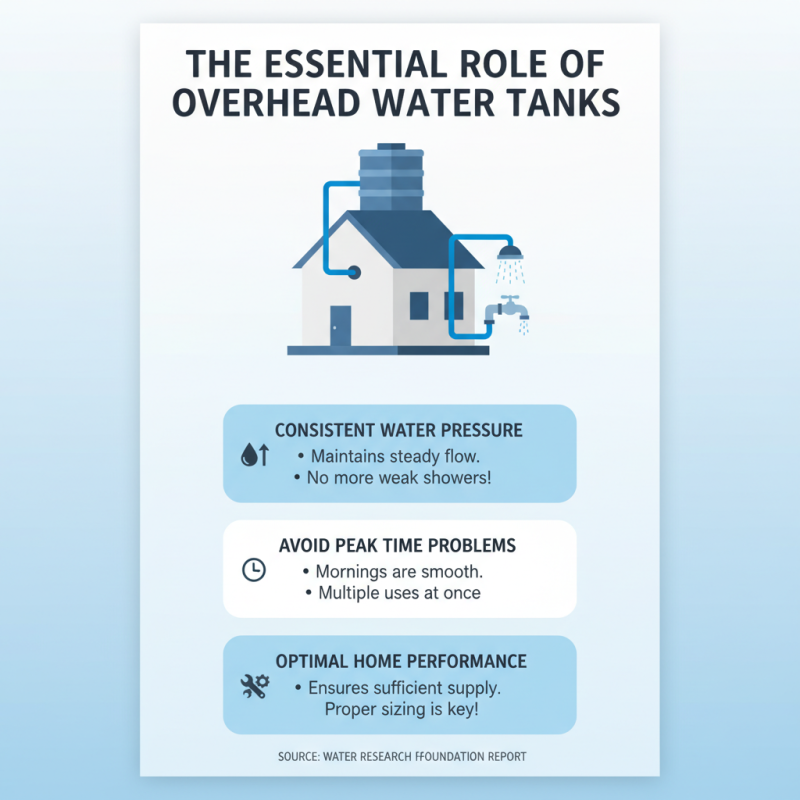
Overhead tanks serve as essential components in water distribution systems. They ensure a consistent supply of water, especially during peak usage times. Factors such as size, material, and installation location are crucial. A well-placed tank can optimize water pressure and reduce waste.
However, many underestimate the importance of maintenance. Neglecting tank upkeep can lead to contamination or structural failure. It's vital to assess your needs and select a durable option. Overhead tanks should complement your home’s design and functionality. Emphasizing these details can help you make an informed decision, ensuring you choose wisely.

Understanding the Importance of Overhead Tanks in Home Water Supply
Overhead tanks play a vital role in the water supply of homes. These tanks are essential for maintaining consistent water pressure. According to a report by the Water Research Foundation, homes with improperly sized tanks often face insufficient water flow. This can lead to a frustrating experience during peak usage times, like mornings when families are busy.
The importance of these tanks extends beyond just providing water. They also help in managing water quality. A study by the American Society of Civil Engineers found that proper overhead tanks reduce the risk of contamination. This highlights the need for homeowners to consider tank size and placement carefully.
Choosing the right tank is crucial. Homeowners often underestimate their daily water needs. A common mistake is selecting a tank without assessing household usage. A family of four may require a tank capacity of at least 1,000 liters. Inadequate storage can lead to water shortages, especially during dry seasons. Ensuring the tank is the right size can significantly improve the household water supply.
Factors to Consider When Selecting Overhead Tanks for Your Home
Choosing the right overhead tank for your home involves several important factors. Start with the capacity. Think about your household size. A family of four may need a larger tank than a single individual. Estimate your daily water usage. This will help you select a tank that meets your needs efficiently.
Material is another key consideration. Overhead tanks come in various materials like plastic, fiberglass, and steel. Each has its pros and cons. Plastic tanks are lightweight and resistant to rust. However, they can be prone to UV damage. Steel tanks are durable but may require extra maintenance.
Don’t overlook the design and installation process. Ensure the tank fits your space. A poorly installed tank can lead to leaks or water contamination. Additionally, check for ventilation. Proper airflow can prevent algae growth. Sometimes it’s easy to forget these details. Reflect on your choices to find the best fit for your home.
Factors Affecting the Selection of Overhead Tanks
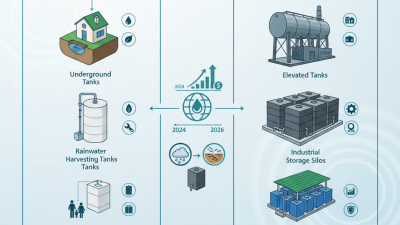
Types of Overhead Tanks: Pros and Cons of Each Option
When choosing an overhead tank, consider the material.
Plastic tanks are lightweight and resistant to corrosion.
They are easy to install and generally cheaper. However, they may not last as long as metal tanks.
Metal tanks, like stainless steel, are durable but heavier and often involve higher costs.
Tanks also vary in shape. Cylindrical tanks provide better strength and pressure distribution.
They are often more space-efficient. On the downside, they can be trickier to clean.
Rectangular tanks are easier to clean but may not distribute pressure as evenly.
Tips: Always check for leaks and wear before installation.
Think about the tank's location, as it can affect water quality.
Seasonal maintenance is crucial to ensure longevity and efficiency.
Regularly inspect for rust in metal tanks or algae growth in plastic ones.
Remember, your choice impacts both water quality and storage efficiency.
Sizing Your Overhead Tank: How to Determine the Right Capacity
Choosing the right capacity for your overhead tank is vital. It ensures your home has enough water for daily needs. Start by analyzing your household's water usage. Think about how many family members live in your home. Each person typically uses around 50-100 liters daily for showers, washing, and cooking.
Consider your daily activities. If you have a garden, it will need extra water. Do you run appliances like dishwashers and washing machines often? These factors add up. Calculate your total daily needs. Remember to include guests if you frequently entertain.
Think about the tank's location as well. A high placement can help with water pressure. Yet, will it fit in the space you have? Sometimes, homes have unexpected limits. Reflect on your current water supply. Is it reliable? A bigger tank might be necessary if your supply is inconsistent. Each detail matters in choosing the right size for your overhead tank.
Maintenance Tips for Ensuring Longevity and Efficiency of Overhead Tanks
Maintaining overhead tanks is crucial for ensuring their longevity and efficiency. Research indicates that regular cleaning can increase their lifespan by up to 50%. Dirt and sediment buildup can lead to potential contamination. A clean tank promotes better water quality and protects your family's health.
Inspecting tanks for signs of wear is equally important. Cracks or leaks may not be visible at first glance. Regular checks help identify issues early, preventing costly repairs or replacements down the line. An estimated 30% of tank failures are due to neglecting such inspections. Proper maintenance routines should be established, ideally twice a year.
Consider water temperature and environmental factors. Extreme heat can degrade materials, causing leaks. Conversely, freezing temperatures may lead to cracks. A study revealed that homes in areas facing these extremes experience higher maintenance costs—up to 25% more than in stable climates. Investing in insulation can mitigate these risks and extend the life of your overhead tanks.