How to Choose the Right Poly Water Tanks for Your Needs?
Choosing the right Poly Water Tanks is essential for effective water storage. According to Mark Thompson, a leading expert in the poly storage industry, “Selecting the right tank can make a significant difference in your water management.” His insights emphasize the importance of understanding your unique needs.
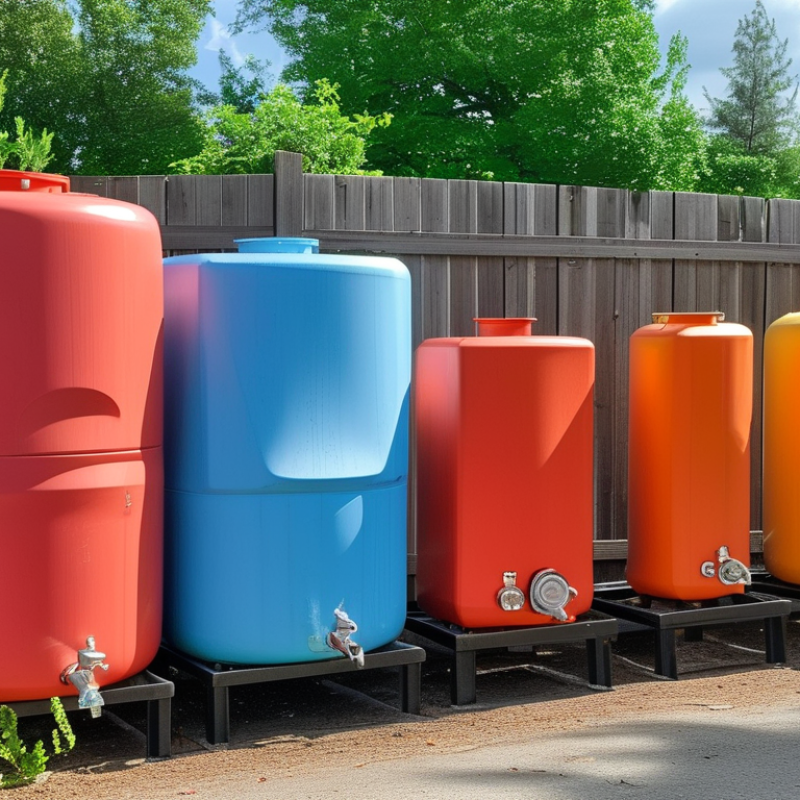
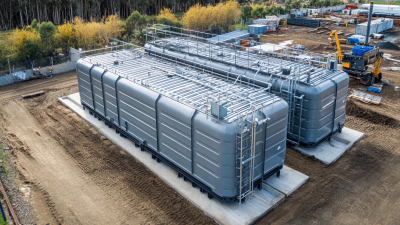
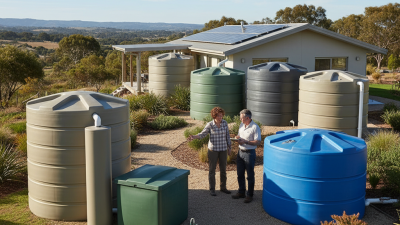
Poly Water Tanks come in various sizes and shapes. Each tank serves different purposes, from residential to commercial applications. When making a decision, consider factors like capacity, durability, and installation requirements. It's crucial to match the tank's features with your specific situation.
However, many buyers overlook critical aspects. For example, choosing a cheaper option might lead to early wear and tear. Take time to evaluate your options thoroughly. Reliable tanks are an investment that pays off in the long run. Your water storage system should be efficient and durable, providing peace of mind.
Understanding Your Water Storage Needs
Understanding your water storage needs is critical when selecting poly water tanks. Factors like water usage, available space, and environmental conditions all play a role. According to a report by the Water Quality Association, residential water usage can average about 82 gallons per person per day. This data emphasizes the necessity for adequate storage capacity for households.
When assessing needs, consider peak usage times. A family of four might require a tank that holds at least 1,000 gallons. Moreover, climate affects evaporation rates. Regions with hotter temperatures may need larger tanks to compensate for losses. It’s beneficial to think about tank placement too. Will it be above ground or underground? Both options come with distinct advantages and drawbacks. Sometimes, local regulations may limit placement or usage, adding another layer to your decision-making process.
Take note of maintenance requirements as well. Poly water tanks are durable but require periodic inspections. Be prepared for potential issues, such as algae growth or sediment buildup. These factors highlight the importance of understanding both your immediate and long-term water storage needs. Balancing your specific requirements with the realities of tank management can pose challenges, necessitating thoughtful consideration.
Evaluating Different Types of Poly Water Tanks
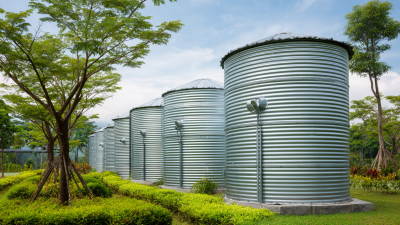
When selecting poly water tanks, it's essential to evaluate the various types available. The primary options include vertical tanks, horizontal tanks, and underground tanks. Each type serves different purposes and fits unique spaces. Vertical tanks are popular due to their space-saving design. They are suitable for urban settings where space is limited. Horizontal tanks, on the other hand, offer a stable base and can hold larger volumes. They are ideal for rural applications.
Consider the material as well. Most poly water tanks are made from high-density polyethylene (HDPE), which is durable and resistant to UV rays. This ensures longevity and reliability. Nonetheless, some tanks may lack adequate UV protection, which can lead to degradation over time. It's crucial to check product specifications. Look for those that meet industry standards for safety and performance.
Think about the capacity you truly need. Many buyers overestimate their requirements and end up with unnecessary large tanks. This not only wastes money but also occupies more space than needed. Reflecting on your actual water usage can help make a better choice. Remember, the tank's design and features can greatly influence its performance.
Factors to Consider When Choosing Tank Size
When choosing the right poly water tank, size is a critical factor. You need to consider your water usage patterns. For instance, if you rely heavily on stored water for irrigation, a larger tank may be necessary. A 500-gallon tank might suffice for occasional household use. However, larger families or farms may require a 1000-gallon or bigger tank.
Evaluate your available space. It is vital to match the tank size with the physical area. A compact yard may limit your options, while plenty of land allows for larger tanks. Ensure that the tank won’t obstruct pathways or access points. Think about the future, too. Will your water needs grow? Anticipate changes in your lifestyle, such as more garden plants or livestock. A tank that seems adequate today may prove insufficient soon.
With all these factors in mind, you can be better prepared. Remember that having extra water can be a blessing, especially in dry seasons. However, overestimating your needs can lead to wasted resources. Balancing your current requirements with future expectations is essential for making the right choice. It’s not just about the tank size; it’s a reflection of your planning and forethought.
Assessing Durability and Weather Resistance
When selecting poly water tanks, durability and weather resistance are critical factors to consider. Polyethylene tanks are known for their robust properties. They can withstand extreme temperatures, both hot and cold. A recent industry report indicates that tanks with UV stabilization can last up to 20 years outdoors. This is essential for users in areas with strong sunlight.
Moreover, the weather resistance of these tanks can vary. Some tanks are treated to resist cracking under harsh conditions. Data shows that tanks with a thickness of at least 8 mm offer better protection against physical impact and environmental stressors. These tanks limit the risk of leaks, which can be costly and detrimental to water storage systems.
Inspecting external and internal layers is vital. Different applications may require varied resistance levels, which are not always apparent. Understanding these dynamics helps in making a well-informed choice. Consumers should exercise caution. Not all claims of durability are equally reliable. It's crucial to research materials and consult experts when in doubt.
Assessing Durability and Weather Resistance of Poly Water Tanks
Budgeting for Your Poly Water Tank Purchase
When budgeting for a poly water tank, it's essential to assess initial costs versus long-term value. An industry report from the Water Management Association indicates that poly water tanks can range from $300 to $3,000, depending on size and features. A larger tank might look more expensive upfront but can save money over time through reduced water delivery costs.
It's important to consider installation costs. Professional installation can add 10% to 25% to your overall costs. Some local governments also offer subsidies or rebates for rainwater harvesting systems. These financial incentives can offset your investment significantly.
Another factor to weigh is maintenance. Poly tanks generally require less upkeep than concrete options. Proper care can extend a tank's lifespan. However, budgeting for occasional cleaning and minor repairs is wise. This consideration can prevent unexpected expenses later. Always have a clear financial plan, as this will guide your decision making.
How to Choose the Right Poly Water Tanks for Your Needs? - Budgeting for Your Poly Water Tank Purchase
| Tank Size (Liters) |
Width (mm) |
Height (mm) |
Material Thickness (mm) |
Approx. Cost (USD) |
Ideal Usage |
| 500 |
750 |
950 |
5 |
150 |
Residential |
| 1000 |
900 |
1200 |
6 |
250 |
Small Farms |
| 2000 |
1200 |
1600 |
8 |
450 |
Agricultural |
| 5000 |
1500 |
2100 |
10 |
800 |
Commercial |
| 10000 |
2000 |
2700 |
12 |
1200 |
Industrial |