10 Essential Tips for Choosing the Right Hdg Water Tank
Choosing the right HDG Water Tank is crucial for any industrial or commercial application. A recent report by the Water Storage Association indicates that nearly 40% of water management failures are linked to inadequate tank selection. This statistic highlights the importance of making informed choices. Experts emphasize the significance of material quality, capacity, and maintenance needs.
John Smith, a leading expert in water storage systems, states, "Investing time in the selection process can prevent costly repairs and system failures." His insight underscores a common pitfall: many overlook long-term implications when choosing an HDG Water Tank. While aesthetics and immediate costs matter, a poor selection can lead to extensive operational issues.
In this guide, we will explore essential tips for selecting the best HDG Water Tank. Whether it’s for rainwater harvesting or industrial use, understanding the nuances of tank specifications can save time and resources. Each choice should align with your specific requirements, as the stakes are high. Make every decision count in this critical process.
Understanding HDG Water Tanks: An Overview
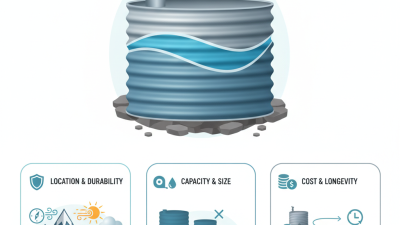
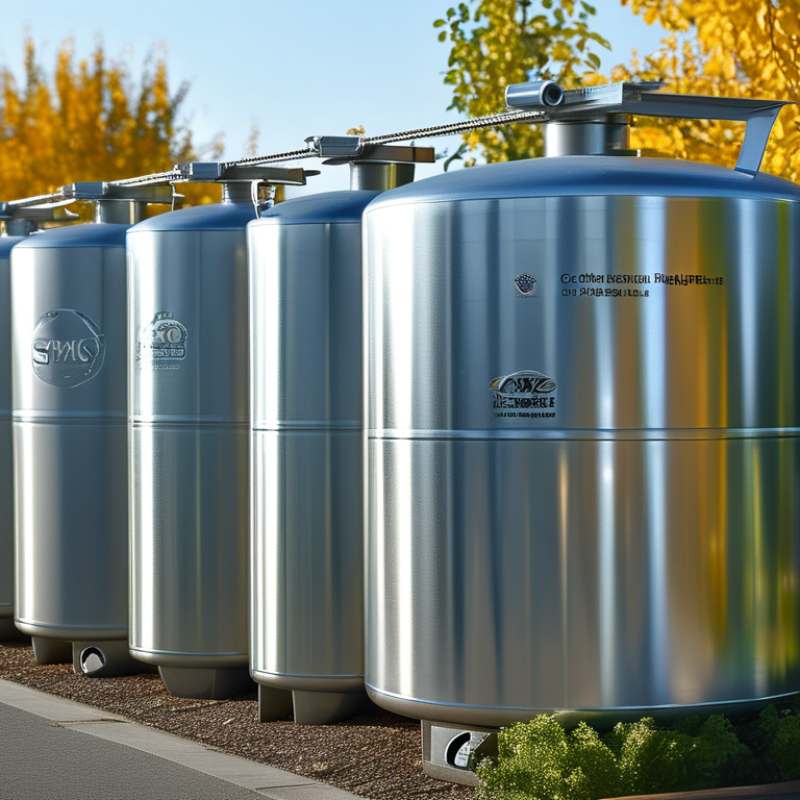
When considering HDG water tanks, understanding their structure and function is essential. HDG stands for hot-dip galvanized, a method that enhances durability. This process involves coating steel with zinc, offering protection against corrosion. A well-maintained HDG tank can last for decades. The longevity is tied to this protective layer, ensuring that the water remains clean and safe.
The design of HDG water tanks varies greatly. Some are vertical, while others are horizontal. The capacity and shape depend on the intended use. For example, agricultural settings might prioritize larger tanks. Yet, this choice can complicate installation and maintenance. It's essential to assess the site conditions and the water demand before making any decision. Failure to adequately evaluate these factors can lead to operational inefficiencies.
Different surface finishes can also alter performance. A rough surface might trap sediments, affecting water quality. This aspect often gets overlooked during the selection process. Regular inspections and maintenance should be a priority to ensure optimal function. Anyone considering an HDG water tank should ask critical questions about their needs. Each situation is unique, and what works for one may not work for another. Reflecting on these details can help prevent costly errors in the long run.
Factors to Consider When Sizing Your Water Tank
When sizing your HDG water tank, it's crucial to consider your household's water consumption. Factor in daily usage, not just peak demand. This includes drinking, cooking, and bathing. A family of four may require more than 10,000 liters monthly. Think about the frequency of water use. Will you run multiple appliances simultaneously? These details matter.
Climate also plays a role in tank sizing. Hot climates increase evaporation rates and water demand. Consider seasonal changes like drought or heavy rainfall. Mirroring your tank size to these conditions can create a more efficient water supply. Unexpected shortages can be costly and inconvenient.
Lastly, assess your available space. Measure carefully to avoid installing an oversized tank. It should fit in your yard without overcrowding. If space is limited, explore alternative tank shapes or sizes. Remember, a well-planned water tank can bring lasting benefits. Reflect on your choices as your needs may evolve over time.
Material Selection: Benefits of Hot-Dip Galvanized Tanks
When selecting a hot-dip galvanized (HDG) water tank, material is crucial. HDG tanks offer a unique combination of durability and corrosion resistance. The hot-dip galvanization process coats steel with zinc, providing a protective barrier. This process significantly extends the lifespan of the tank, making it suitable for various environments.
Additionally, HDG tanks require less maintenance. Their robust construction can withstand harsh weather conditions. This means fewer repairs and replacements over time. Some might wonder if the initial cost justifies the benefits. Indeed, this requires careful consideration. An upfront investment in an HDG tank can pay off in the long run.
However, not all galvanized tanks are created equally. Variations in coating thickness and steel quality can affect performance. Prospective buyers should research manufacturers and their practices. A reliable supplier is essential to ensure quality. Transparency in production methods is a good sign of credibility. Understanding these elements can enhance your decision-making process.
Evaluating Installation Requirements and Space Constraints
When selecting an HDG water tank, installation requirements and space constraints can significantly influence your decision. Understanding the physical dimensions of your intended installation site is paramount. Measure the area carefully. Ensure that there is adequate space not only for the tank but also for maintenance access. Cluttered spaces can lead to challenging installations, making it vital to visualize the tank in relation to other structures.
Consider the weight of the tank when full. Steel tanks can be heavy, affecting your foundation choice. If the ground is uneven or weak, reinforce it. Additionally, think about the local climate. Extreme weather can affect tank placement and materials used for insulation. Not all areas have the same environmental considerations, so tailor your approach accordingly.
Moreover, reflect on potential future needs. If your water usage increases, will the tank still serve you well? Installation may seem straightforward, yet allowances for future expansions should be made. Embrace the unexpected challenges that might arise during installation. Each decision is not just about current use, but also about anticipating what you might need later.
10 Essential Tips for Choosing the Right Hdg Water Tank
This bar chart illustrates the importance of various factors when selecting an HDG water tank, based on their evaluation for installation requirements and space constraints. The data represents the opinions of 100 industry professionals.
Comparing Costs and Maintenance Needs of Different Tank Options
When selecting the right HDG water tank, understanding the costs and maintenance needs is critical. Different types of tanks can have varying upfront and long-term expenses, impacting your budget significantly. According to a report from the Water Management Association, galvanized steel tanks often have lower initial costs than their stainless steel counterparts, but they may incur higher maintenance expenses over time. It's essential to consider the material's durability and lifespan when making comparisons.
Maintenance is another factor that can influence your choice. Tanks made from HDG steel typically require less upkeep, thanks to their corrosion resistance. However, these benefits can diminish if the tank is not installed correctly. Reports indicate that up to 25% of tank failures are due to improper installation, which highlights the importance of professional input. Routine inspections and cleaning should also be part of your maintenance schedule to prevent costly repairs in the future.
The total cost of ownership often extends beyond initial purchases. For instance, annually, you may spend around 5% of the tank cost on upkeep. Calculating potential long-term expenses can help you make a more informed decision. Understand the trade-offs and how various factors impact your overall investment. It's crucial to weigh these aspects carefully as you evaluate your options.
10 Essential Tips for Choosing the Right Hdg Water Tank
| Tank Type |
Cost (USD) |
Capacity (gallons) |
Maintenance Needs |
Lifespan (years) |
| Polyethylene |
$500 |
1,000 |
Low |
15-20 |
| Fiberglass |
$800 |
1,500 |
Medium |
25-30 |
| Steel |
$1,200 |
2,000 |
High |
30-40 |
| Concrete |
$1,500 |
5,000 |
Medium |
50+ |