Essential Tips for Choosing the Right Reservoir Tanks?
Choosing the right reservoir tanks is critical for various industries, particularly in water management and industrial applications. According to a recent industry report by MarketsandMarkets, the global reservoir tanks market is projected to grow significantly, reaching over $12 billion by 2025. This growth highlights the increasing demand for efficient water storage solutions.
Experts emphasize the importance of selecting appropriate reservoir tanks. Dr. Thomas Reynolds, a leading authority in fluid management, states, "The right tank can greatly enhance operational efficiency and reduce long-term costs." Inadequate tank selection can lead to leakage, contamination, and increased maintenance expenses. Therefore, understanding the specific requirements of your operation is essential.
Many factors influence the decision, such as material, capacity, and installation environment. Be aware that not all tanks are created equal. The learning curve can be steep. Investing in quality reservoir tanks is not just a choice; it's a necessity for future sustainability and performance. Make informed decisions to ensure the best outcomes.
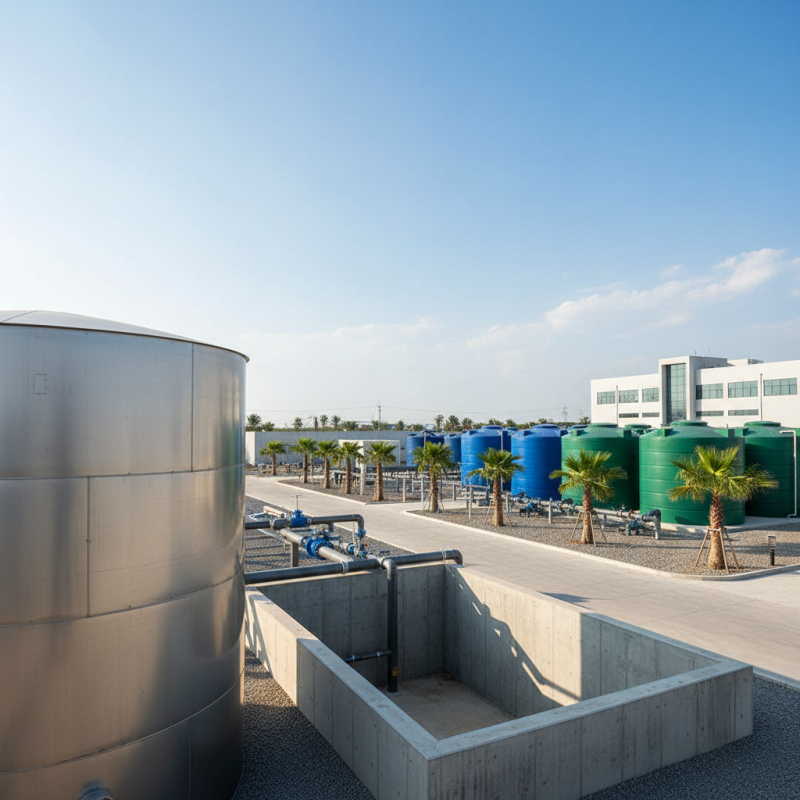
Understanding the Different Types of Reservoir Tanks Available
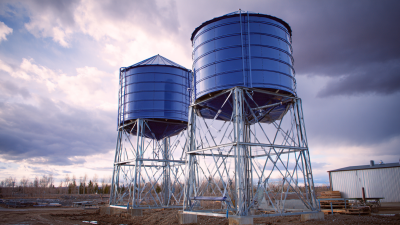
When choosing a reservoir tank, understanding the different types is crucial. Tanks can be categorized based on material—steel, fiberglass, and concrete are the most common. Steel tanks are durable and cost-effective for various installations. According to a recent industry study, steel tanks represent about 45% of the market due to their strength and longevity. Fiberglass tanks, while lighter and resistant to corrosion, typically make up around 30% of reservoir tanks. Their maintenance is often easier, but upfront costs can be higher.
Consider your specific needs when selecting a type. For instance, if you're storing potable water, fiberglass may be the better choice. In contrast, for industrial applications, steel tanks could be more suitable due to their structural integrity.
Tip: Always assess the environmental conditions. Tanks must endure temperature fluctuations and exposure to chemicals. A basic understanding of these factors can prevent costly mistakes.
Another important point is local regulations. For certain applications, permits are required. Ensuring compliance can save you from fine and costly modifications. Mistakes in this area have plagued many projects, leading to unplanned expenses. Taking the time to research will empower your decision-making process.
Assessing Your Storage Needs and Capacity Requirements
When it comes to choosing the right reservoir tanks, understanding your storage needs is critical. Start by evaluating your capacity requirements. Calculate the maximum volume of liquid you need to store. Consider future needs as well. A growing business may require larger tanks down the line. Don't forget to factor in the space you have available for installation. A tank that is too large can overwhelm your site.
Another essential tip is to assess the environment where the tank will be placed. Ensure the material of the tank can withstand local temperatures and conditions. For instance, a tank exposed to extreme weather might require extra insulation. Likewise, if your site has limited access, consider the tank's size and shape for transport and installation.
You may also want to think about the long-term maintenance of the reservoir. Some tanks require more frequent inspections and repairs. Prioritize tanks with warranties or reliable support. Keep in mind that less common sizes might not be easily serviced. Always have a back-up plan in case your chosen tank doesn’t meet all your demands. Reflect on your choices after installation; they can impact your operations significantly.
Essential Tips for Choosing the Right Reservoir Tanks
| Feature |
Description |
Capacity (Gallons) |
Material |
| Size |
Determine the space available for installation and select a tank that fits. |
1000 |
Polyethylene |
| Type |
Consider whether to use above-ground or underground tanks based on your needs. |
5000 |
Fiberglass |
| Usage |
Identify if the tank is for water, chemicals, or waste storage. |
2500 |
Steel |
| Maintenance |
Check for ease of access for cleaning and upkeep. |
3000 |
Concrete |
| Cost |
Evaluate the budget you have for purchasing a tank. |
7500 |
Polyethylene |
Evaluating Material Durability and Corrosion Resistance
When selecting reservoir tanks, durability is paramount. The material of the tank directly impacts its lifespan. For instance, stainless steel offers excellent corrosion resistance. However, it can be costly. On the other hand, polyethylene is lightweight but may degrade under UV exposure. Understanding these materials is crucial for long-term performance.
Corrosion resistance is also essential. Tanks are often exposed to various chemicals. Some materials can withstand corrosive environments, while others cannot. For example, fiberglass tanks resist corrosion well, yet they may not endure high-impact situations. Finding a balance between durability and resistance requires careful consideration.
Evaluating the environmental conditions is vital. Factors like temperature fluctuations can affect a tank's integrity. A tank that performs well in one climate might fail in another. Therefore, assessing not just the tank material but also the operational environment is critical for informed decisions. This can be a challenging process, requiring ongoing evaluations throughout the tank’s life cycle.
Considering Location and Installation Factors for Reservoir Tanks
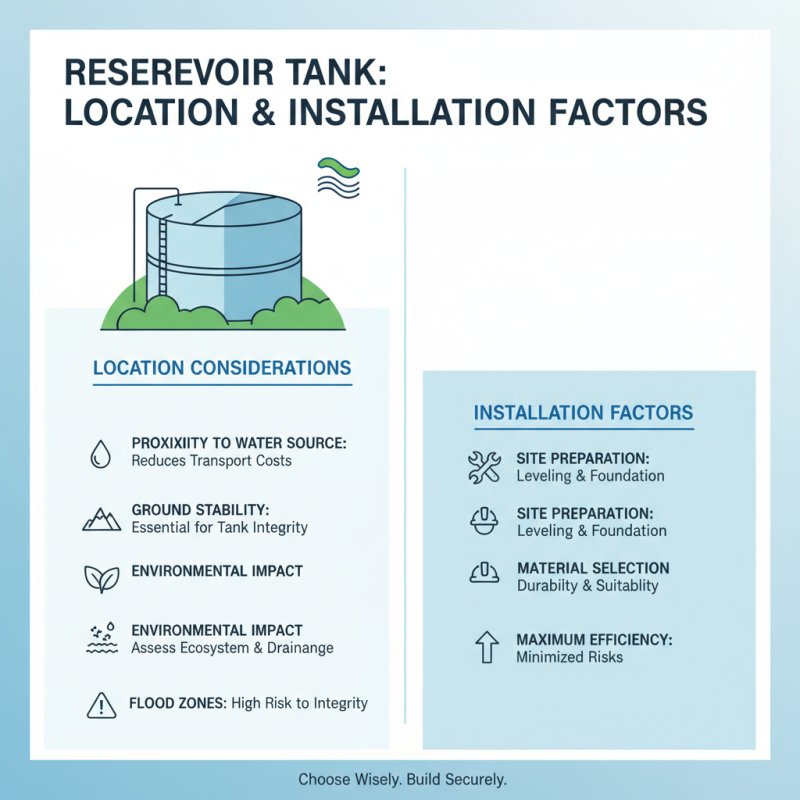
Choosing the right location for reservoir tanks is crucial. A well-placed tank minimizes risks and ensures maximum efficiency. The placement near water sources can reduce transport costs. However, proximity can also bring challenges. Factors such as ground stability and environmental impact must be assessed. Locations prone to flooding could compromise tank integrity.
Installation details matter significantly. Site accessibility affects the construction process. It can increase labor costs if the site is hard to reach. Additionally, local regulations may dictate tank size and type. According to a report by the American Water Works Association, nearly 25% of installation projects face delays due to regulatory hurdles.
Moreover, consider potential utility lines or underground structures. Unforeseen obstacles can quickly escalate costs. The installation site should allow for maintenance access. Regular checks prolong tank life. Neglecting this aspect can lead to costly repairs. Thus, careful planning and a comprehensive site assessment remain essential for successful reservoir tank installations.
Reviewing Maintenance and Safety Standards for Reservoir Tanks
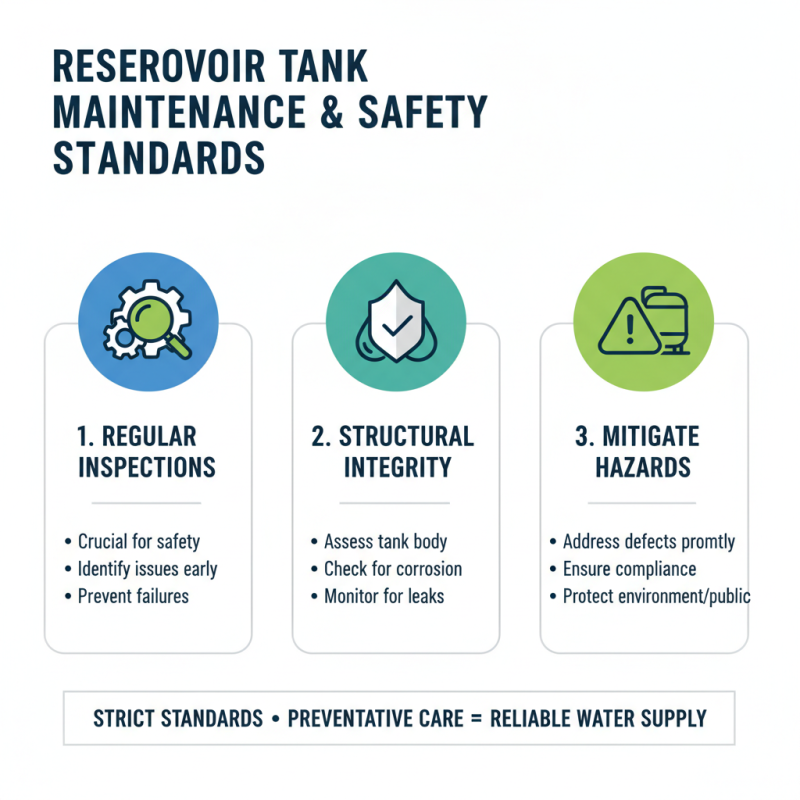
Maintaining reservoir tanks requires adherence to strict maintenance and safety standards. Regular inspections are crucial. A tank without proper checks can lead to significant issues. It's essential to assess the tank’s structural integrity. Corrosion or leaks can develop unnoticed, causing potential hazards.
Safety standards vary by region but often include guidelines on tank design and installation. Ensure that overflow systems are functioning correctly. These systems help prevent overflow during heavy rains or storms. Moreover, ensuring that tanks are correctly vented prevents pressure build-up, which is a common oversight.
Another aspect is regular cleaning and monitoring of water quality. Sediment build-up can compromise water quality. Many overlook this step, thinking their tanks are clean. Implementing a routine cleaning schedule is effective in preventing issues. Lastly, having a contingency plan for emergencies can help mitigate risks. Regular training for staff can ensure everyone knows how to act swiftly in a crisis. A proactive approach is key to maintaining safe, reliable reservoir tanks.