Essential Tips for Choosing Grp Water Tanks for Your Needs?
Choosing the right GRP water tanks can be challenging. With the growing demand for water storage solutions, understanding the specifics is crucial. According to a recent report by MarketsandMarkets, the water storage tank market is expected to reach $4.1 billion by 2025. This growth highlights the increasing importance of selecting effective storage solutions.
Expert in the field, Dr. John Reynolds, emphasizes the significance of informed choices. He states, "Quality and durability are key factors when selecting GRP water tanks." Such insights underline the need for careful consideration in your selection process. GRP tanks offer benefits like corrosion resistance, but understanding your individual requirements is vital.
While many focus on price, it’s essential to consider longevity and maintenance needs. Potential buyers often underestimate these factors, which can lead to costly mistakes. Reflecting on your specific needs will help streamline the decision-making process.
Understanding the Basics of GRP Water Tanks
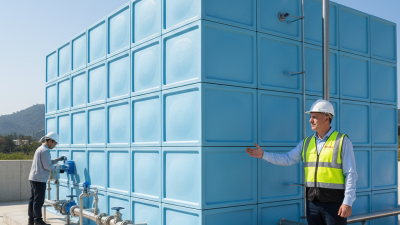
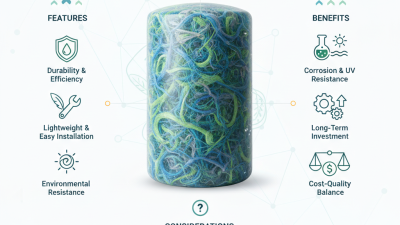
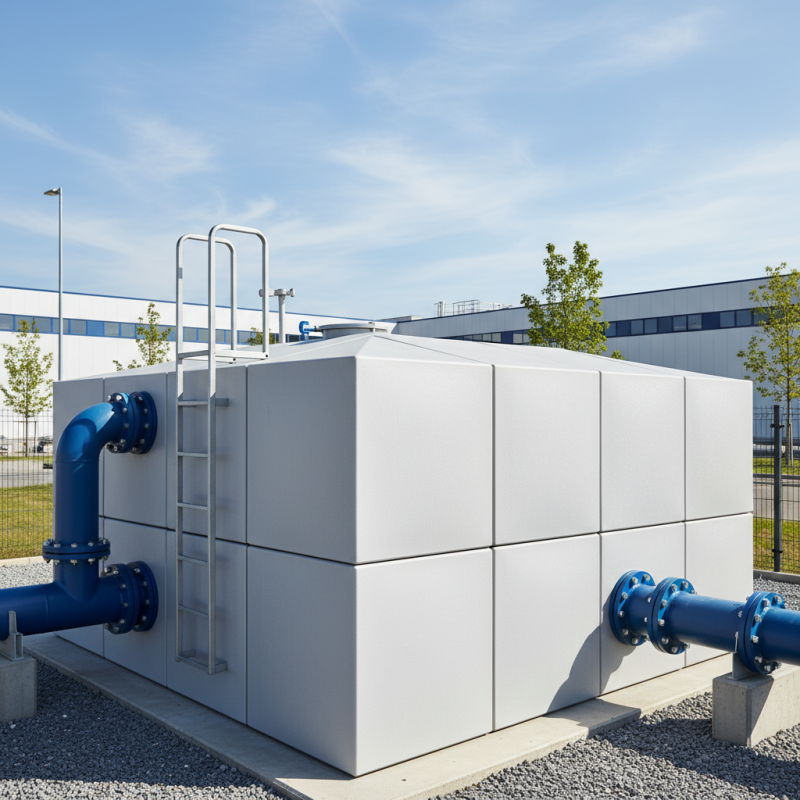
When selecting GRP (Glass Reinforced Plastic) water tanks, it's vital to understand the basics. These tanks are known for their durability and resistance to corrosion. Their lightweight design adds to their appeal, making installation easier in various locations. You'll find them in industries ranging from agriculture to construction.
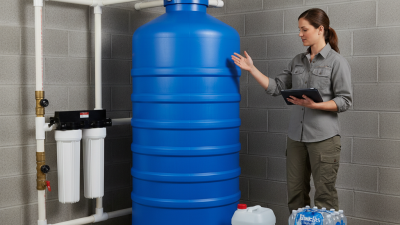
Consider your storage needs carefully. Evaluate the volume of water you require. This will guide you in choosing the tank size. Think about future needs as well. A larger tank might seem expensive, but it can save you money in the long run.
Tips include checking the tank's insulation properties. Effective insulation prevents algae growth and maintains water quality. Look for tanks that comply with safety standards. Not all tanks are created equal. Always ask for product information before purchasing.
Keep in mind the installation location. Ensure there’s sufficient space for both the tank and maintenance. Maintenance can be overlooked, yet it’s crucial. Regular checks can save you from costly repairs. Proper placement also ensures easy access for cleaning.
Essential Tips for Choosing GRP Water Tanks for Your Needs
| Dimension |
Description |
Considerations |
Benefits |
| Material |
Glass Reinforced Plastic |
Ensure durability and corrosion resistance. |
Lightweight and strong; cost-effective. |
| Capacity |
Varies from 500 to 50,000 liters |
Assess water usage needs carefully. |
Customized sizes available based on requirements. |
| Installation |
Above ground or underground options |
Consider local regulations and site conditions. |
Flexible installation options to suit different environments. |
| Maintenance |
Low maintenance required |
Regular checks for leaks and cleanliness. |
User-friendly and cost-effective over time. |
| Cost |
Competitive pricing based on size and features |
Budget planning is essential. |
Long-term savings on maintenance and replacements. |
Key Factors to Consider When Selecting a GRP Water Tank
When selecting a GRP water tank, several key factors must be considered. The size of the tank is crucial. You need to assess the amount of water you require. Too small a tank won’t meet your demands. Conversely, a tank that is too large may incur unnecessary costs. It’s essential to align the size with your specific needs and future expansion plans.
Material quality is another vital consideration. GRP, or Glass Reinforced Plastic, offers durability and resistance to corrosion. However, not all GRP tanks are created equal. Look at the thickness of the material. Thinner tanks may save cost upfront but could lead to issues later, like leaks. Monitoring the environmental conditions is also critical. UV exposure can degrade some materials over time. This is an area to reflect on when making your choice.
Installation plays a significant role in tank performance. Ensure the site is properly prepared. Poor installation can cause structural problems. It might create frustration down the line. Additionally, consider accessibility for maintenance. Will you be able to reach all areas easily? Sometimes overlooked, accessibility is vital for the tank’s longevity. Be aware of these aspects to make an informed decision.
Comparison of GRP Water Tanks with Other Tank Materials
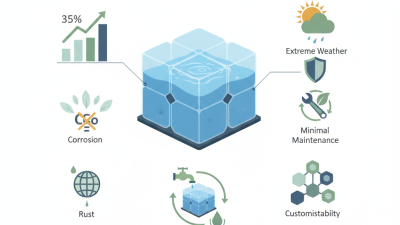
When considering water tanks, GRP (Glass Reinforced Plastic) is a notable option. Compared to traditional materials like steel or concrete, GRP tanks offer unique advantages. They are lightweight and resistant to corrosion. This makes them ideal for various applications, including domestic and industrial uses.
On the other hand, steel tanks are sturdier. They can withstand extreme pressures. However, they are prone to rust without proper maintenance. Concrete tanks, while durable, can be costly to install and maintain. They also require more space due to their heavy structure.
Choosing the right material can be a challenge. It’s essential to assess your specific needs. Think about factors such as location, environmental conditions, and water quality. Each material has its strengths and weaknesses. Consider these carefully to make a well-informed decision.
Maintenance Tips for Longevity of GRP Water Tanks
When it comes to maintaining GRP water tanks, attention to detail is crucial. Cleaning is essential. Regularly inspect the tank for any signs of algae or sediment buildup. This buildup can affect water quality. Use a mild detergent and a soft brush for cleaning. Always rinse thoroughly after.
Temperature changes can impact the tank. Insulating the tank helps minimize these effects. If the weather is harsh, this is vital. Observe the seams and joints for leaks. Even small leaks can lead to water loss. Address them promptly to maintain tank integrity.
Check the inlet and outlet valves for blockages. Blockages can disrupt water flow. Adjustments and repairs should be done as needed. Don’t neglect the area around the tank. Ensure it stays clear for easy access. Regular maintenance promotes longevity. Be mindful of the tank's age and condition.
Essential Tips for Choosing GRP Water Tanks
This chart displays essential characteristics to consider when choosing GRP water tanks including capacity, durability, maintenance frequency, cost, and installation time. These factors will help inform your decision-making process.
Cost Considerations in Investing in GRP Water Tanks
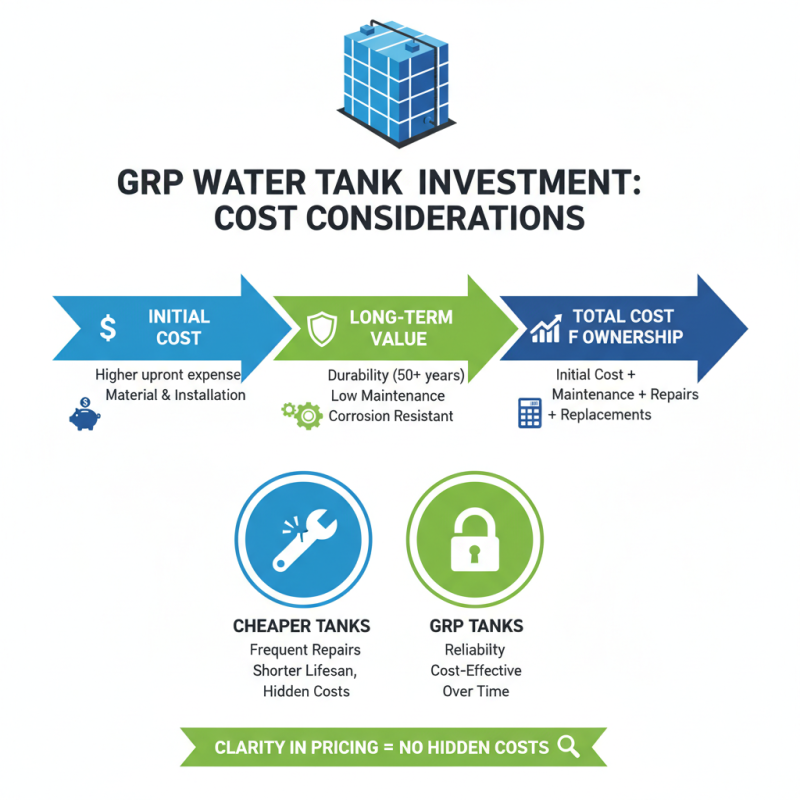
When considering investing in GRP water tanks, cost is a major factor. GRP tanks can be an initial expense, but they offer durability and longevity. Comparing long-term costs with initial outlays is crucial. A cheaper tank might lead to more frequent repairs or replacements. Clarity in pricing can help avoid hidden costs later.
It’s smart to evaluate your specific needs. Assess the size and capacity required. A larger tank can handle more water but may cost more. Think about installation expenses, too. Sometimes, costs can skyrocket due to site conditions or needed accessories.
Tips for choosing GRP tanks include researching materials. Ensure they meet your local guidelines. Check for warranties, as they indicate quality. Talk to suppliers about maintenance needs. Understanding the total cost of ownership, including operational costs, gives a clearer picture. Taking time to reflect on these aspects can lead to a better investment.