Top Drinking Water Tank Options for Your Home and Health Needs?
In recent years, drinking water tanks have gained significant attention for their role in ensuring water quality and safety. According to the World Health Organization, approximately 2 billion people lack access to safe drinking water. This alarming statistic highlights the need for reliable solutions in residential settings. A good drinking water tank can help families secure clean water, promote health, and prevent waterborne diseases.
Various options for drinking water tanks exist, catering to different needs and preferences. Reports by the Water Quality Association indicate that consumers increasingly prioritize health-conscious choices when it comes to water storage. Many homeowners are unaware of the specific features that enhance water purity and taste. This disconnect often leads to suboptimal choices and unnecessary health risks. Investing in the right drinking water tank will ultimately affect daily well-being and household safety.
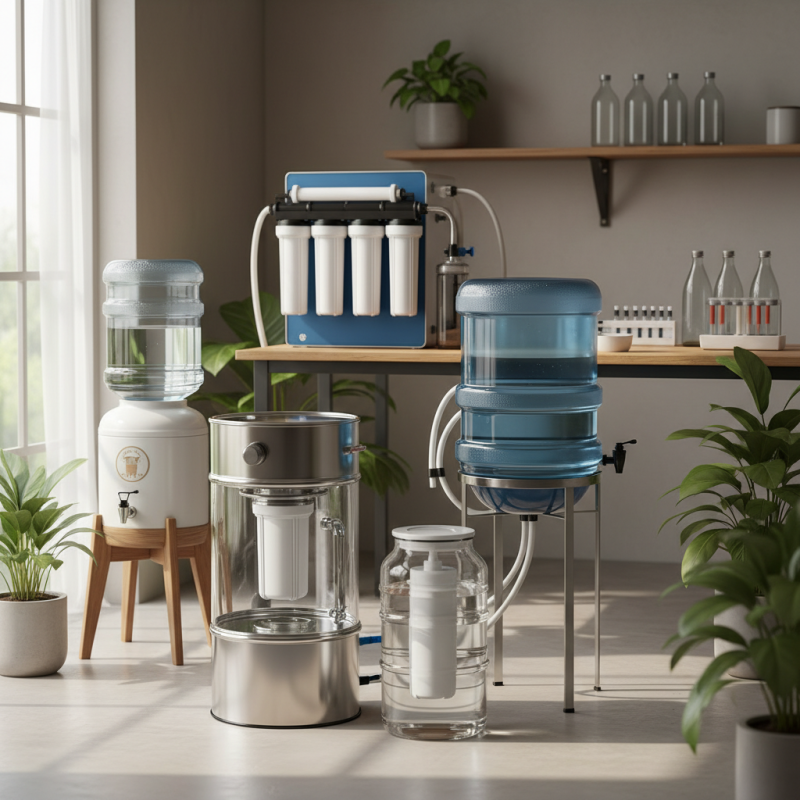
Several models provide distinct benefits, yet they vary in quality and efficiency. For instance, tanks equipped with filtration systems ensure better contamination control. However, not all filtration options are equally effective. A deeper understanding of available products can support informed decisions, ensuring you choose a tank that meets your specific needs. In the quest for safe drinking water, knowledge and careful selection are essential for your health and peace of mind.
Overview of Drinking Water Tank Types Available for Home Use
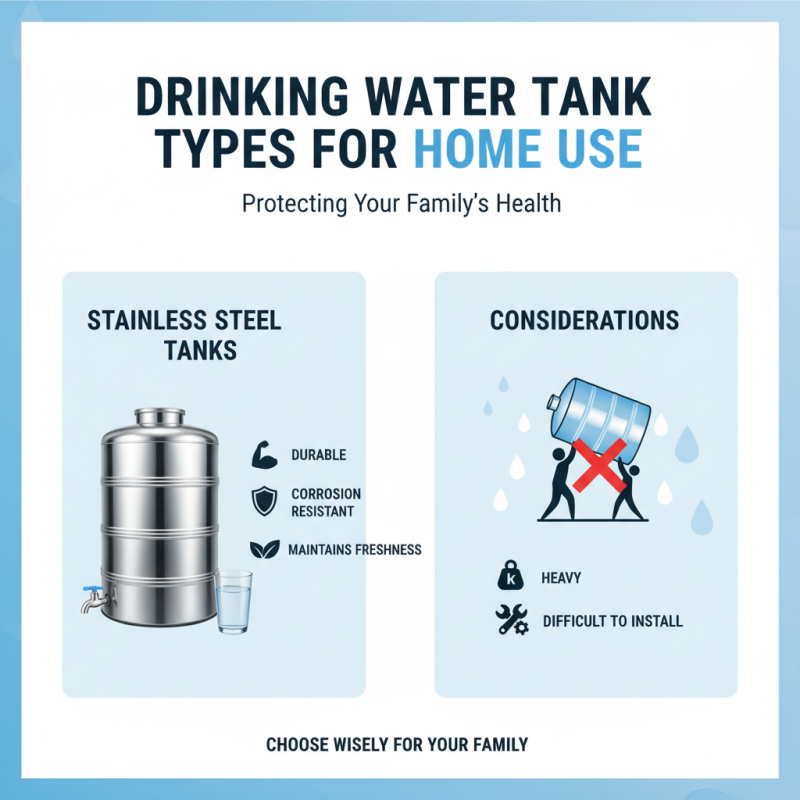
When it comes to your family's health, choosing the right drinking water tank is essential. Several types are available for home use, each catering to different needs. Stainless steel tanks are popular for their durability and resistance to corrosion. They maintain the freshness and quality of water effectively. However, they can be heavy and hard to install.
Plastic tanks offer a more lightweight alternative. They are usually cost-effective and easy to install. But, not all plastics are created equal. Some may leach chemicals into the water, which could pose health risks. Consider checking for certifications before purchasing.
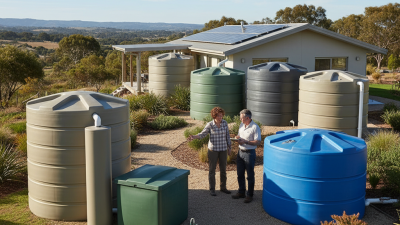
Concrete tanks are robust and can hold a large volume of water. They are great for long-term storage. Yet, they require proper maintenance to prevent cracks and leaks. Assessing your space and water needs can help guide your choice. Be sure to think carefully about the long-term implications of your decision. Your water quality affects your health directly, so it's vital to choose wisely.
Factors to Consider When Choosing a Drinking Water Tank
When choosing a drinking water tank, consider various factors that affect your health and home. The material of the tank is crucial. Tanks can be made from stainless steel, plastic, or glass, each offering different pros and cons.
Stainless steel is durable and resistant to bacteria. Plastic is lightweight and affordable but may leach chemicals. Glass is eco-friendly but can be heavy and fragile.
Tips: Evaluate your lifestyle before making a decision. If you have children, a lightweight plastic tank may suit you. However, if you're concerned about chemical leaching, opt for stainless steel.
Another factor is tank size. A larger tank may seem appealing, but it can take up much space. Consider your daily water needs. A tank that suits your usage will help you avoid waste.
Tips: Monitor your water consumption. Adjust your tank size based on family needs. Reflect on how often you refill the tank. You may find a smaller tank works better for you. Health awareness is key when making your choice.
Health Benefits of Using a Quality Drinking Water Tank
Quality drinking water tanks can significantly enhance health. According to the World Health Organization, access to safe drinking water can prevent waterborne diseases. For families, a proper drinking water supply system is essential. Contaminated water sources lead to health issues like gastrointestinal infections.
A well-designed water tank ensures that water remains clean and fresh. Standards from the Environmental Protection Agency emphasize the storage of water in safe conditions. This includes using food-grade materials and maintaining proper tank hygiene. Regular cleaning can prevent algae growth and contaminants.
**Tips:** Consider investing in a filtration system. This can further improve water quality. Hydration is key to overall health. Monitor daily water intake to ensure optimal hydration levels. Ensure the tank is inspected regularly for any signs of degradation. Safe drinking water supports better digestion and improved energy levels.
Health Benefits of Using a Quality Drinking Water Tank
Maintenance and Care Tips for Your Drinking Water Tank
When choosing a drinking water tank, maintenance is crucial for health. Regular cleaning ensures safe drinking water. The EPA recommends sanitizing tanks every six months. A clean tank reduces bacteria growth, which is vital for your family's health.
Tips: Use a mixture of vinegar and water for cleaning. This natural solution is effective and safe. Rinse thoroughly to avoid residual tastes.
Inspect your tank for leaks and sediment buildup. These can cause contamination. According to a study by the Water Quality Association, nearly 25% of tanks contain harmful pollutants. Regular inspections help you catch issues before they escalate.
Tips: Keep a checklist for maintenance tasks. Schedule tank cleaning and inspections. This habit fosters good water quality.
Choosing the right size is also important. A tank that’s too small may not meet your daily needs. The average person consumes about half a gallon of water daily. Ensure your tank can supply this consistently.
Comparative Analysis of Top Brands in Drinking Water Tanks
When choosing a drinking water tank, several factors come into play, including storage capacity, filtration options, and material quality. Many consumers seek tanks made from durable materials like food-grade plastic or stainless steel. These options often offer better longevity and less risk of leaching harmful substances.
A comparative analysis of various brands can shed light on their features and drawbacks. Some tanks come equipped with built-in filtration systems. This can save space and provide convenience. However, these integrated systems sometimes lack the flexibility that standalone filters offer.
Cost is another important aspect. Some tanks are budget-friendly but may compromise on filtration efficiency. Others might be pricier but provide superior water purity. It's essential to weigh the initial investment against the long-term benefits, as health should always take precedence over saving a few dollars. In the end, careful consideration of your needs will guide you to the right choice.