Top 10 Irrigation Water Tanks: Best Choices for Efficient Farming
Efficient farming practices are essential in today's agricultural landscape, where water resource management plays a critical role in maximizing crop yield and sustainability. Among the various tools available to farmers, Irrigation Water Tanks stand as a fundamental choice for anyone looking to enhance their irrigation systems. These tanks serve not only to store water but also to ensure that crops receive the necessary moisture throughout various stages of growth, thereby contributing to healthier plants and ultimately, larger harvests.
In our exploration of the Top 10 Irrigation Water Tanks, we delve into the different options available, highlighting key features that can aid in effective water storage and distribution. Understanding the benefits of various tank materials, sizes, and designs is vital for farmers seeking to optimize their watering practices. Selecting the right irrigation water tank can make a significant difference in efficiency and resource conservation, ensuring that every drop counts in the pursuit of agricultural success.
Understanding the Importance of Irrigation Water Tanks in Farming
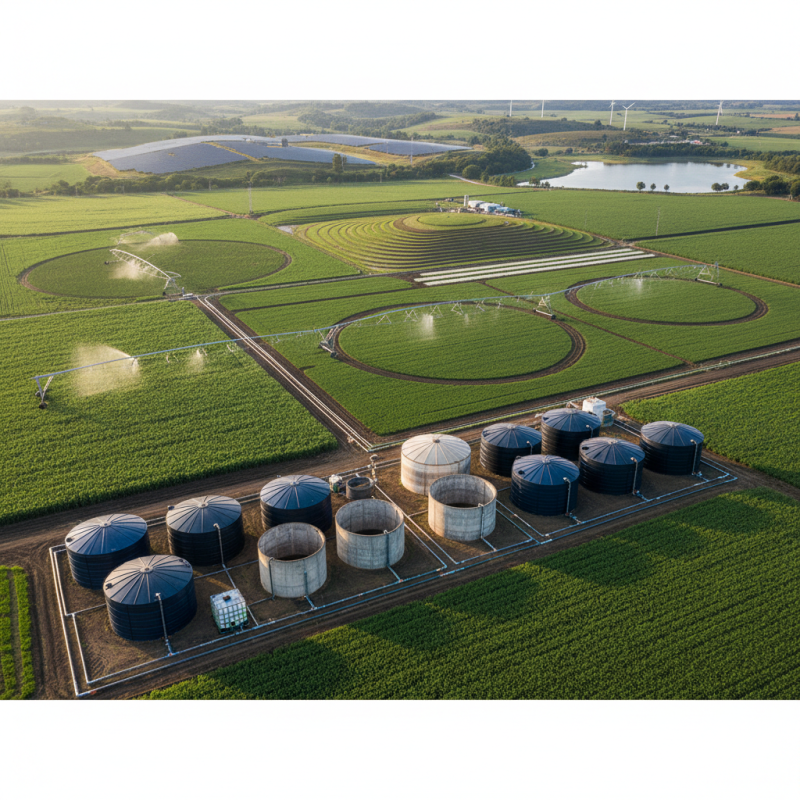
Irrigation water tanks play a crucial role in efficient farming by ensuring a steady supply of water, which is essential for crop growth and productivity. These tanks act as reservoirs that store water during periods of surplus, such as after rainfall or when groundwater levels are high. This stored water becomes invaluable during dry seasons or drought conditions, allowing farmers to maintain consistent irrigation schedules without relying solely on unpredictable natural water sources. The ability to regulate water supply directly influences the health of crops, thereby optimizing yields.
Moreover, the design and capacity of irrigation water tanks significantly impact water management strategies. By utilizing tanks that suit their specific farming needs, farmers can enhance water conservation efforts and minimize waste. The strategic placement of these tanks across the fields also supports better distribution of water, reducing the likelihood of over-saturation in some areas while ensuring others receive adequate moisture. Furthermore, with advancements in technology, modern irrigation systems can integrate smart controls that monitor moisture levels and automate watering schedules, further promoting efficient water usage and contributing to sustainable farming practices.
Top 10 Irrigation Water Tanks: Best Choices for Efficient Farming
| Tank Type |
Capacity (Gallons) |
Material |
Cost ($) |
Suitability |
| Polyethylene Tank |
500 |
Plastic |
150 |
Vegetable Gardens |
| Steel Water Tank |
1000 |
Steel |
300 |
Livestock Farming |
| Fiberglass Tank |
750 |
Fiberglass |
450 |
Crop Irrigation |
| Concrete Water Tank |
2000 |
Concrete |
1000 |
Large Scale Farming |
| Rainwater Harvesting Tank |
600 |
Plastic |
180 |
Garden Irrigation |
| Bladder Tank |
100 |
Flexible material |
200 |
Small Farms |
| CorGal Poly Tank |
1400 |
Polyethylene |
600 |
Irrigation Systems |
| Above Ground Tank |
3000 |
Steel |
1200 |
Commercial Use |
| Double-Walled Tank |
800 |
Plastic |
400 |
Irrigation and Fire Protection |
| Collapsed Frame Tank |
950 |
Flexible Material |
350 |
Mobile Applications |
Key Factors to Consider When Choosing an Irrigation Water Tank
When selecting an irrigation water tank, several key factors must be considered to ensure efficiency and effectiveness in farming practices. First and foremost, the tank capacity is crucial. Farmers need to evaluate their land size, crop type, and water requirements to determine how much water storage they need. A tank that is too small may not meet the demands during peak seasons, while an overly large tank may lead to unnecessary costs and maintenance.
Another important aspect is the material of the tank. Options typically include plastic, metal, and fiberglass, each with its advantages and disadvantages. For instance, plastic tanks are often lightweight and resistant to corrosion, making them suitable for various climates. However, metal tanks might offer greater durability and resistance to UV degradation. Additionally, the tank's design should promote water quality; for instance, choosing a tank with a proper lid can help minimize contamination and evaporation.
Furthermore, accessibility and installation are significant factors. The chosen location for the tank should allow for easy access for maintenance and filling. Evaluating whether the tank will require a pump system or can utilize gravity flow is essential in planning an efficient irrigation system. By careful consideration of these factors, farmers can select the most suitable irrigation water tank that aligns with their operational needs and enhances agricultural productivity.
Top 10 Recommended Irrigation Water Tanks for Efficient Farming
When it comes to efficient farming, selecting the right irrigation water tank is crucial for optimizing water usage and supporting crop health. According to the Food and Agriculture Organization (FAO), approximately 70% of global freshwater is utilized for agricultural purposes. Therefore, investing in a quality irrigation water tank can significantly enhance water management practices and lead to better yield outcomes. An effective water tank system ensures that farmers can capture, store, and utilize rainwater, which is essential for sustainability, especially in areas experiencing water scarcity.
Key considerations include tank capacity, material, and design. For instance, tanks made from durable materials such as polyethylene or fiberglass are recommended due to their resistance to UV degradation and ability to maintain water quality. A recent report by the U.S. Department of Agriculture (USDA) highlighted that farmers who implemented efficient water storage systems witnessed a 15-30% reduction in water usage while increasing crop yield by up to 20%. This points to the importance of choosing water tanks that not only suit the farm's size but also align with the type of crops being grown and the regional climate.
Moreover, the integration of modern technology like smart sensors and rainwater harvesting systems with irrigation tanks can enhance efficiency. The USDA also indicated that farms utilizing technology-driven irrigation methods have the potential to save up to 40% more water compared to conventional methods. These innovations allow for real-time monitoring and management of water resources, helping farmers make informed decisions that align with sustainable agricultural practices. By selecting from the top recommended irrigation water tanks that meet these criteria, farmers can maximize their water management efficiency and contribute to a more resilient agricultural future.
Top 10 Irrigation Water Tanks: Best Choices for Efficient Farming
Comparative Analysis of Material Types for Water Tanks
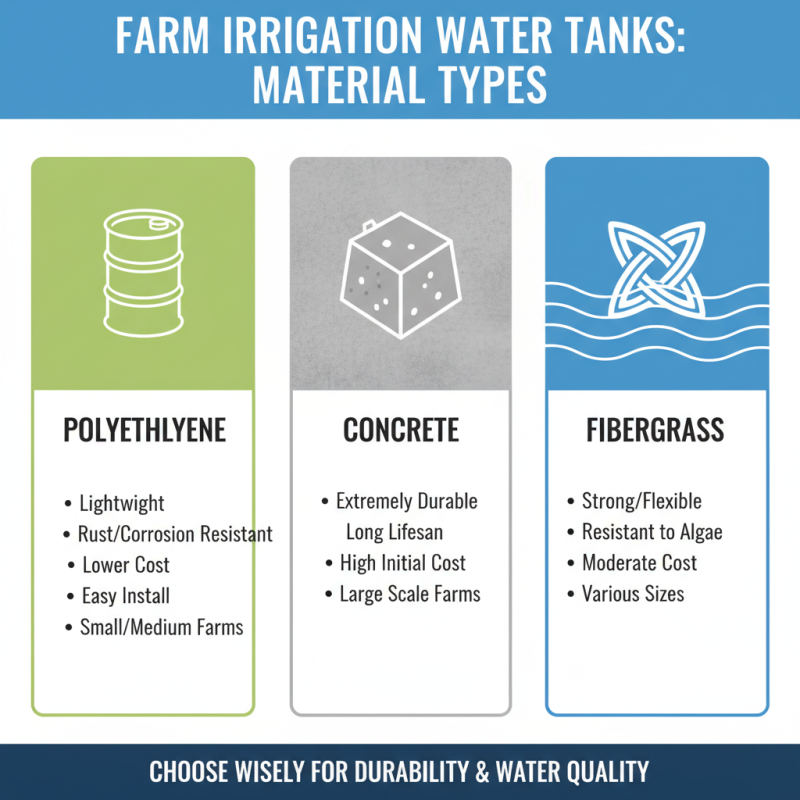
When selecting irrigation water tanks for efficient farming, understanding the various material types is crucial as they influence durability, maintenance, and water quality. Common materials include polyethylene, concrete, and fiberglass, each presenting unique benefits and drawbacks. Polyethylene tanks are often favored for their lightweight characteristics and resistance to rust and corrosion. They are typically less expensive and easier to install, making them an attractive option for small to medium-sized farms.
Concrete tanks, on the other hand, offer exceptional longevity and stability. Their robust nature allows them to withstand harsh environmental conditions, making them ideal for permanent installations. However, the initial cost and labor associated with their construction can be significant. Additionally, they may require careful sealing to prevent water contamination. Lastly, fiberglass tanks combine the advantages of both materials, providing strength and flexibility, but they can be more costly. Understanding these material differences equips farmers to make informed choices that align with their specific irrigation needs and farming practices.
Maintenance Tips for Prolonging the Life of Irrigation Water Tanks
Proper maintenance of irrigation water tanks is essential for maximizing their efficiency and lifespan. Regular inspection should be a top priority for farmers; this includes checking for leaks, cracks, or any signs of wear and tear. Addressing these issues promptly prevents costly repairs and ensures optimal water storage. Additionally, keeping the tank clean is crucial. Regularly removing sediment and debris from the tank helps maintain water quality and prevents clogs in the irrigation system.
Temperature fluctuations can also affect the integrity of the tank. To mitigate potential damage from extreme weather, consider insulating the tank or using protective covers. Moreover, treating the water with appropriate methods can minimize algae growth and sediment buildup, thereby enhancing the performance of the irrigation system. Maintaining the surrounding area by managing vegetation and ensuring proper drainage will also contribute to the longevity of the tank. By following these maintenance tips, farmers can ensure their irrigation water tanks remain functional and efficient for years to come.