Top Pressed Steel Tank Suppliers in China for Global Buyers?
In recent years, the demand for Pressed Steel Tanks has surged globally, driven by their durability and cost-effectiveness. According to a recent market analysis by Industrial Insights, the market for pressed steel tanks is projected to reach $8 billion by 2025. The versatility of these tanks makes them a popular choice in various industries, including water storage, chemical processing, and oil and gas.
Experts like Dr. Robert Chen, a leading authority in tank manufacturing, emphasize the importance of quality and innovation in this sector. He noted, “The future of the Pressed Steel Tank industry hinges on sustainable practices and advanced engineering." This highlights a critical aspect of the market; suppliers must not only meet current demands but also adapt to evolving environmental standards.
As global buyers look to partner with reputable suppliers in China, it's essential to evaluate their expertise, reliability, and innovation capabilities. The landscape is competitive, and selecting the right partner can significantly impact business outcomes. Although many suppliers offer solutions, the challenge lies in identifying those that truly align with specific needs.
Overview of Pressed Steel Tanks and Their Applications
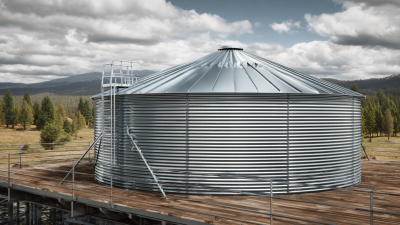
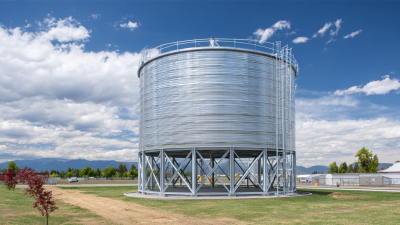
Pressed steel tanks are crucial in various industries due to their durability and versatility. These tanks are constructed from high-quality steel plates, making them resistant to corrosion and capable of withstanding high pressures. Their lightweight nature allows for easier transportation and installation in diverse environments. Often used for storing liquids such as water, chemicals, and fuel, these tanks play a vital role in manufacturing and agriculture.
Applications of pressed steel tanks extend across sectors. In agriculture, they help store water for irrigation. In chemical facilities, they hold essential liquids safely. The tanks are also used in firefighting systems, providing reliable water supply. These practical uses make pressed steel tanks indispensable. However, the manufacturing process can raise concerns about environmental impact. Reflecting on sustainability practices in tank production is essential. Improvements in materials and processes can lead to a more eco-friendly approach, benefiting the industry and the environment alike.
Key Features and Benefits of Pressed Steel Tanks
Pressed steel tanks have gained popularity among various industries for their robustness and versatility. These tanks are constructed from high-strength steel, providing excellent durability. Their ability to withstand extreme conditions makes them suitable for both storage and transportation of liquids. The lightweight nature of pressed steel also aids in easier handling and installation.
One of the significant benefits is the corrosion resistance they offer. Many manufacturers apply protective coatings, enhancing the lifespan of the tanks. This is especially useful in chemical storage. Additionally, pressed steel tanks are cost-efficient. They typically require less material compared to traditional tanks, which can lead to lower manufacturing expenses.
However, it’s essential to consider some drawbacks. While they are durable, they can be prone to dents or damages if mishandled. Users must ensure proper handling to avoid potential issues. Regular inspections and maintenance are crucial in preserving their integrity over time. Understanding these factors allows for better decision-making when selecting a pressed steel tank for specific needs.
Top Pressed Steel Tank Suppliers in China for Global Buyers
| Dimension |
Capacity (m³) |
Weight (kg) |
Material Thickness (mm) |
Surface Treatment |
Warranty Period (Years) |
Export Markets |
| 2m x 2m x 2m |
8 |
1000 |
3 |
Galvanized |
5 |
Asia, Europe |
| 3m x 3m x 3m |
27 |
1500 |
4 |
Epoxy Coated |
7 |
North America, Australia |
| 4m x 4m x 4m |
64 |
2500 |
5 |
Powder Coated |
10 |
Middle East, Africa |
| 1.5m x 1.5m x 1.5m |
3.375 |
600 |
2 |
Zinc Plated |
3 |
South America, Europe |
List of Leading Pressed Steel Tank Manufacturers in China
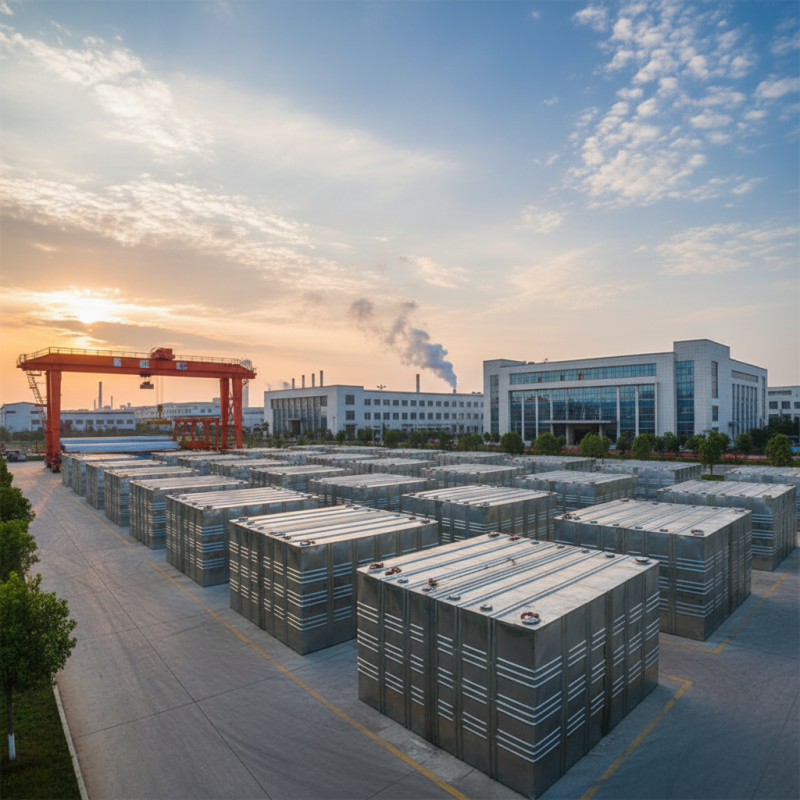
The market for pressed steel tanks in China has grown significantly. Many manufacturers cater to global demand, producing tanks that meet various specifications. These suppliers are known for their reliability and commitment to quality. They ensure that their products conform to international standards. This focus on quality authority helps build trust with buyers worldwide.
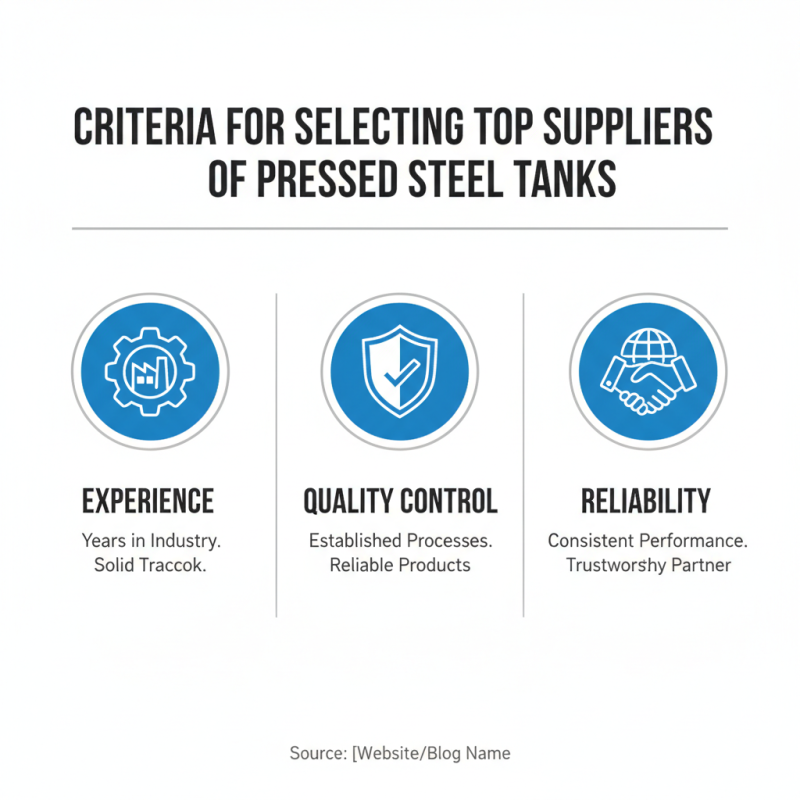
When selecting a manufacturer, consider a company's experience in the industry. Look for suppliers with a proven track record. Requesting samples may allow you to gauge the material's quality. Tip: Focus on suppliers who invest in technology and innovation. They often produce more durable and efficient products.
It is also essential to evaluate customer service. Manufacturers should be responsive and willing to address concerns. Strong communication is crucial for successful collaboration. Tip: Don't hesitate to ask for references. This can provide insights into a supplier’s reliability. Keep in mind that finding the right supplier can take time. Do thorough research to ensure you choose wisely and avoid potential pitfalls.
Pressed Steel Tank Capacity Distribution Among Top Suppliers
This chart illustrates the distribution of manufacturing capacities for pressed steel tanks among leading suppliers in China, indicating their relative output in cubic meters.
Tips for Global Buyers on Sourcing from Chinese Suppliers
Sourcing pressed steel tanks from Chinese suppliers
can be a rewarding yet challenging experience. Global buyers should focus on finding reliable partners. Here are some tips for effective sourcing.
Research potential suppliers thoroughly. Look for manufacturers with extensive experience in pressed steel products. Their expertise can enhance product quality.
Check certifications and compliance with international standards. This ensures the products meet your requirements.
Establish clear communication channels. Language barriers may exist, but technology can bridge gaps. Use simple, concise language in emails.
Video calls can also help clarify any misunderstandings. Remember, patience is key when dealing with overseas suppliers.
Request samples before placing large orders. This allows you to evaluate the quality firsthand. It also helps identify any discrepancies in specifications.
By taking these proactive steps, you can enhance your sourcing strategy and minimize risks.