Why Choose Modular Water Tanks for Your Water Storage Needs?
In today's world, water storage solutions must be effective and versatile. This is where Modular Water Tanks come into play. These tanks offer a flexible approach to water storage, making them suitable for various applications. Each module can be adapted to specific needs, whether for residential, agricultural, or industrial use.
Modular Water Tanks are designed for efficiency. They can be easily transported and assembled on-site. This flexibility minimizes the challenges of traditional water storage methods. Plus, they allow for expansion as water demands grow. Yet, not everything is perfect. Some users may find it challenging to maintain these tanks properly. Understanding the balance between convenience and responsibility is essential.
In conclusion, Modular Water Tanks represent a modern solution to water storage. They highlight the importance of adaptability in addressing water needs. As communities grow and change, investing in such tanks could be a wise choice. However, one must consider the long-term implications of using them.
Advantages of Modular Water Tanks for Efficient Water Storage
Modular water tanks offer several advantages for efficient water storage. These tanks can be customized in size and configuration, making them suitable for various applications. According to a report from the Water Research Foundation, modular tanks can increase storage efficiency by up to 30%. Their design allows for easy expansion as demand grows. This flexibility saves space and reduces costs.
Additionally, modular systems can streamline maintenance. They are easier to access and replace compared to traditional tanks. In a study by the American Society of Civil Engineers, it was noted that maintenance costs could be reduced by 25% with modular designs. This efficiency comes from the ability to service individual modules without draining the entire system.
Despite these benefits, there are considerations. The initial investment can be higher for modular tanks. Some users may underestimate the long-term savings in maintenance and operational costs. Site-specific factors also affect the overall efficiency of modular tanks. Careful planning and site assessments are crucial for optimal performance. Emphasizing these factors can lead to better water management strategies.
Advantages of Modular Water Tanks for Efficient Water Storage
Versatility of Modular Water Tanks in Various Applications
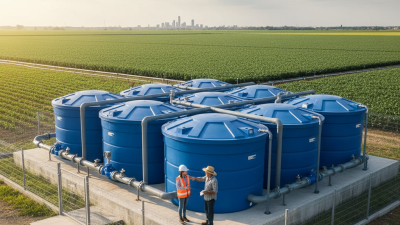
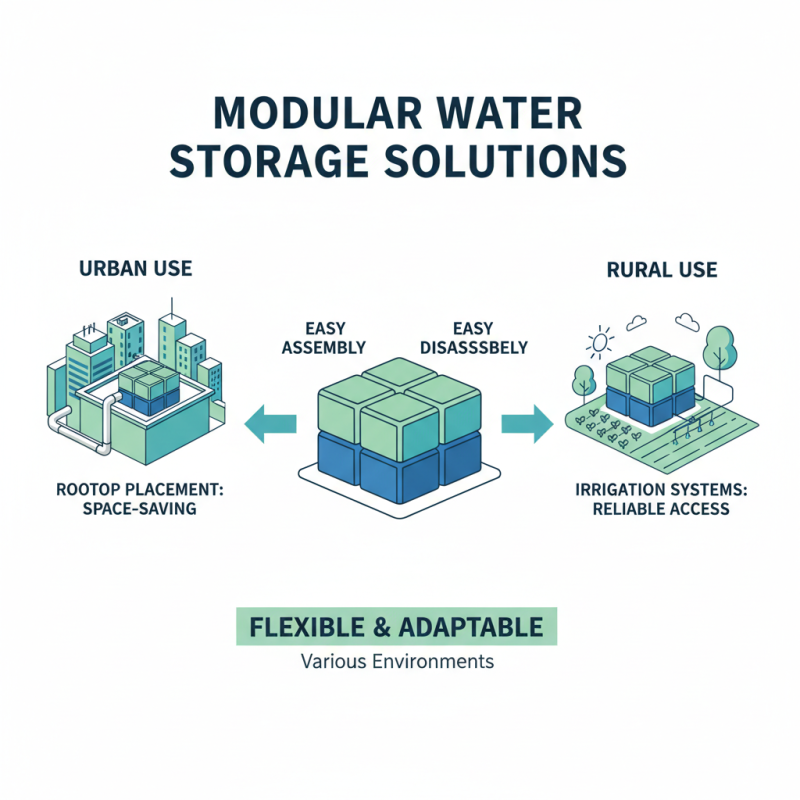
Modular water tanks offer a flexible solution for various water storage needs. Their design allows easy assembly and disassembly, making them suitable for different environments. For example, in urban settings, these tanks can be placed on rooftops to save space. In rural areas, they can be part of irrigation systems, providing reliable water access.
These tanks cater to diverse applications. They serve in agriculture to store rainwater. In construction, they can hold water for site needs. Their versatility helps communities prepare for emergencies, like droughts or floods. With modular tanks, you can quickly scale up or down based on changing requirements. This adaptability is essential, yet some might overlook the importance of planning where to place these tanks properly. Inadequate site assessments may lead to inefficient use.
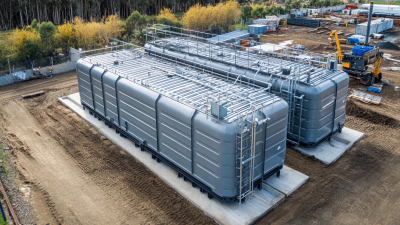
The ease of transport adds to their appeal. Modular tanks can be moved as projects change or expand. However, this mobility also means that careful attention is needed regarding installation. Rushing this process can lead to leaks or structural instability. Reflection on placement and maintenance is crucial for maximizing their benefits.
Cost-Effectiveness of Modular Water Tanks for Long-Term Use
When considering water storage, modular water tanks stand out as a cost-effective solution. These tanks can be expanded, allowing for flexibility in various situations. Homeowners can start with a small system and add more modules as needed. This adaptability fits changing needs without overspending.
The initial investment in modular tanks may seem steep. However, their durability offsets this cost. Unlike traditional storage options, these tanks resist corrosion and damage. This means fewer repairs and replacements in the long run. Users often appreciate the lower maintenance requirements. Such savings accumulate over time, making these tanks worth the upfront cost.
Many factors can affect the total cost of ownership. Installation costs might vary based on location and terrain. Some users have experienced unexpected expenses during the setup process. It's essential to plan carefully and gather comprehensive estimates. By reviewing all costs, you ensure a better return on investment. Modular tanks offer flexibility and durability, yet understanding all related expenses is crucial.
Ease of Installation and Maintenance for Modular Water Tanks
Modular water tanks offer an excellent solution for water storage needs. Their design allows for simple installation, making them a popular choice. The individual sections are lightweight and easy to assemble. This means less effort and time are required compared to traditional tanks. Connecting the pieces isn’t complicated. This ease of installation is a significant advantage.
Maintenance of modular tanks is also straightforward. One can easily access each section for cleaning and inspection. This accessibility helps in identifying potential issues before they escalate. However, some might overlook proper maintenance. Regular checks can prevent costly repairs later. It’s essential to develop a routine for upkeep to ensure efficiency.
In addition, modular tanks can be expanded or resized. This flexibility makes them suitable for various needs. However, planning for expansion requires careful thought. Mistakes in measurement can lead to problems. Adjustments may not always be easy, highlighting the need for precision. Embracing this learning curve can lead to better outcomes in the long run.
Environmental Benefits of Using Modular Water Tanks
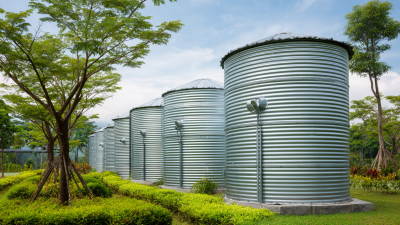
Modular water tanks offer significant environmental benefits for water storage. These systems are designed to be versatile and easily configurable. They can be customized to fit various landscapes and needs. This adaptability minimizes the ecological footprint during installation. Their materials often include recycled components, contributing to sustainability.
Different from traditional tanks, modular tanks promote efficient water conservation. They allow for rainwater harvesting, reducing reliance on municipal sources. When strategically placed, they can help in managing stormwater runoff effectively. This can prevent flooding and minimize erosion in vulnerable areas. However, proper maintenance is crucial. If neglected, these tanks may not perform at their best.
Using modular water tanks also encourages community involvement. Local residents can engage in setting them up. This collaboration fosters a sense of responsibility towards water management. Yet, not all communities embrace this approach. Some may face challenges in finding resources or knowledge about these systems. It’s essential to address these gaps to realize the full potential of modular water tanks.