10 Best Modular Water Tanks for Efficient Water Storage Solutions?
Modular Water Tanks have emerged as a pivotal solution for effective water storage. The global water scarcity crisis affects an estimated 2 billion people, highlighting an urgent need for reliable storage systems. These tanks are designed to be scalable and adaptable, making them ideal for both residential and commercial use. According to a recent market analysis, the modular water tank market is projected to grow by over 8% annually, driven by rising demand for sustainable water management practices.
With advancements in technology, these tanks offer enhanced durability and efficiency, promising longevity. Businesses increasingly recognize the importance of efficient water storage in reducing operational costs and environmental impact. Modular designs mean that these systems can be expanded easily to meet growing needs. However, selecting the right tank can be challenging. Factors such as material, size, and intended application must be carefully evaluated. This creates opportunities for improvement in product offerings and water management strategies.
Ultimately, embracing Modular Water Tanks could reshape our approach to water scarcity. Still, there remain gaps in awareness and understanding of their benefits across various sectors. Addressing these issues is essential for maximizing the potential of modular systems in water conservation efforts.
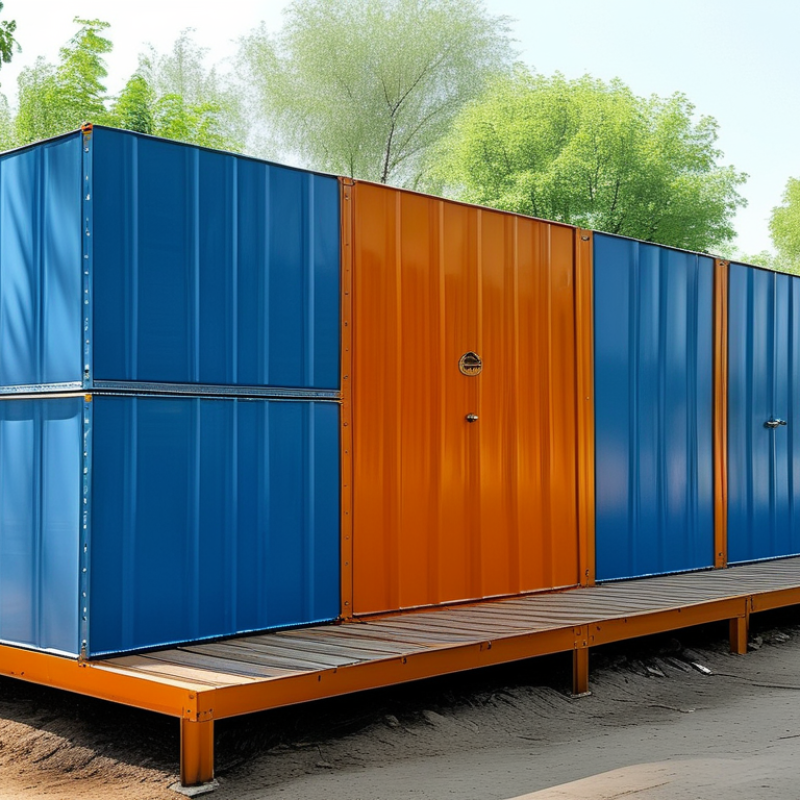
Types of Modular Water Tanks Available in the Market
When it comes to efficient water storage,
modular water tanks offer a versatile solution. These tanks are available in various configurations,
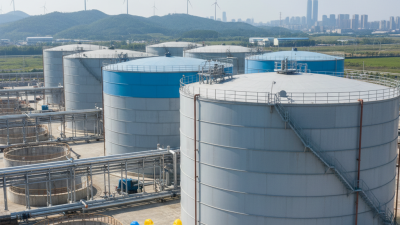
designed to fit different needs. Common types include vertical tanks, horizontal tanks,
and bladder tanks. Each type serves specific purposes, from agricultural use to residential purposes.
Vertical tanks are often space-efficient, allowing for maximum storage in limited areas.
They are ideal for urban settings or small properties. Horizontal tanks,
on the other hand, are better for larger spaces. They provide a low profile, making them easier to access and maintain.
Bladder tanks come in flexible designs, easily molded to available space. They can expand and contract based on water levels.
This adaptability makes them suitable for temporary setups or emergency water storage. Choosing the right type depends on your specific needs
and available space.
Tips: Always consider the material of the tank. High-quality materials ensure durability and reduce maintenance costs.
Also, think about the environment where the tank will be installed. Some tanks perform better in specific climates.
Investing time in research can save future headaches.
It's important to remember that not every tank fits every situation. Reflect on your needs before selecting your modular tank.
Sometimes, opting for a less popular choice may offer better long-term benefits.
Key Features to Consider When Choosing Modular Water Tanks
When selecting modular water tanks, several key features should guide your decision. First, consider the material. Tanks made from high-density polyethylene (HDPE) are durable and resistant to UV rays. This ensures longevity in different environmental conditions. Look for options that are BPA-free to guarantee safe water storage. Materials that can withstand extreme temperatures and resist corrosion will ultimately save on replacement costs.
Another critical aspect is capacity. Modular tanks come in various sizes. Assess your storage needs carefully to choose the right volume. Ease of assembly and disassembly can play a significant role in your experience. Ensure that the design allows quick setup, which is essential for immediate usage. Accessibility for maintenance cannot be overlooked. Tanks should have cleaning ports or openings that allow for easy maintenance, preventing stagnant water issues.
Finally, certifications matter. Look for tanks that meet health and safety standards. This adds a layer of trust to your choice. Regulatory compliance is essential for ensuring the water remains safe for consumption. Don't hesitate to seek expert advice if you find the options overwhelming. Sometimes, personal research isn’t enough to guarantee the best choice.
Water Storage Capacity of Modular Tanks
Top 10 Modular Water Tanks for Home and Commercial Use
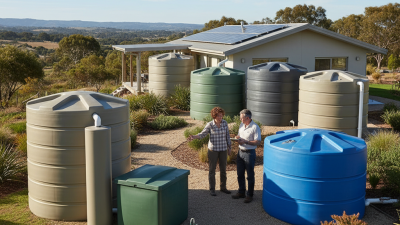
When considering water storage options, modular water tanks stand out. These tanks are versatile, making them ideal for both residential and commercial use. Their modular design allows for easy expansion and customization. This adaptability caters to various water needs, whether you’re collecting rainwater or storing irrigation supplies.
Tips: Always assess the space before installation. Measure the area to ensure the tank fits perfectly. Consider factors like accessibility for maintenance. Proper placement can also enhance water collection efficiency.
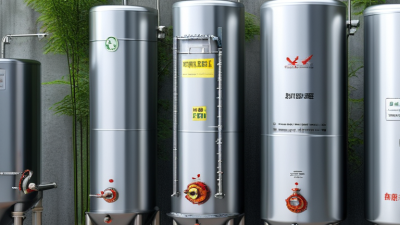
These tanks come in various sizes and materials. Some are made from durable polyethylene, while others use steel for additional strength. Think about your local climate when choosing a tank material. In colder regions, insulation may be necessary. Furthermore, regular cleaning is crucial for maintaining water quality. Neglecting this could lead to problems down the line.
Remember, while they are efficient, there can be challenges. Close attention to the tank's condition is essential. Watch for leaks or signs of wear. Periodic inspections can save you from costly repairs or replacements. Modular tanks can be a long-term solution if managed properly.
10 Best Modular Water Tanks for Efficient Water Storage Solutions
| Model |
Capacity (Liters) |
Material |
Dimensions (cm) |
Application |
Rating |
| Model A |
1000 |
Polyethylene |
150 x 75 x 100 |
Residential |
4.5 |
| Model B |
500 |
Steel |
100 x 50 x 75 |
Commercial |
4.7 |
| Model C |
1500 |
Fiberglass |
180 x 90 x 120 |
Industrial |
4.6 |
| Model D |
2000 |
Concrete |
200 x 100 x 150 |
Municipal |
4.8 |
| Model E |
750 |
Plastic |
125 x 65 x 85 |
Agricultural |
4.4 |
| Model F |
1200 |
Polyethylene |
160 x 80 x 110 |
Residential |
4.5 |
Sustainable Practices in Using Modular Water Tanks for Storage
The demand for sustainable water storage solutions is rapidly increasing. Modular water tanks stand out in providing flexibility and efficiency. These tanks can be easily expanded or reconfigured to meet changing water storage needs. According to a 2022 industry report, modular solutions can reduce water waste by up to 20%. This promotes optimal resource management in various sectors, including agriculture and urban development.
Utilizing modular tanks enhances water conservation efforts. Each tank can be positioned to maximize rainwater collection, a practice highlighted in research by the Water Research Foundation. This method reduces dependence on traditional water sources. Additionally, many modular designs incorporate eco-friendly materials. This shift not only lowers the carbon footprint but also extends the lifespan of storage systems.
Tips: Ensure your setup has adequate drainage. Regular maintenance checks are vital to avoiding leaks and damage. It’s also worth considering the local climate. Some regions may benefit more from larger tank systems, while others might require smaller, dispersed setups. Rethinking current infrastructure is essential. The transition to more efficient systems often reveals inefficiencies in traditional methods, prompting a necessary evaluation.
Maintenance Tips for Longevity of Modular Water Tanks
When it comes to maintaining modular water tanks, regular cleaning is crucial. Debris can build up over time, leading to contamination. Cleaning your tanks at least twice a year can prevent many issues. Use a mild detergent and soft brushes to avoid damaging the tank surfaces.
Another important aspect is ensuring proper drainage. Water should not be allowed to stagnate at the bottom. Stagnant water can breed bacteria and algae, creating health hazards. Installing drainage valves can make this process easier.
Regular inspections are also vital. Look for signs of wear or damage, such as leaks or cracks. Addressing these issues early can extend the lifespan of your tanks. Keep an eye out for unusual odors or discoloration. These can signal unseen problems. Implementing these maintenance tips can greatly improve the efficiency and reliability of your water storage solutions.