Top Overhead Tanks from China for Global Buyers?
The demand for Overhead Tanks is rising globally, as industries and households seek efficient water storage solutions. These tanks are crucial for maintaining a steady water supply, especially in regions with fluctuating water sources. China stands out as a significant player in this market, offering a variety of options tailored to different needs.
Choosing the right Overhead Tank can be complex. Buyers often face challenges such as material quality, capacity, and installation requirements. Many Chinese manufacturers emphasize innovation and durability, but quality can vary. It's essential to research suppliers thoroughly before making a decision. In addition, potential buyers must consider logistical aspects, such as shipping and local regulations.
Ultimately, investing in a reliable Overhead Tank is vital for ensuring a consistent water supply. The right choice can minimize future maintenance costs and enhance water management systems. Thus, understanding the features and benefits of top-rated Chinese tanks is the key to making a well-informed purchase.
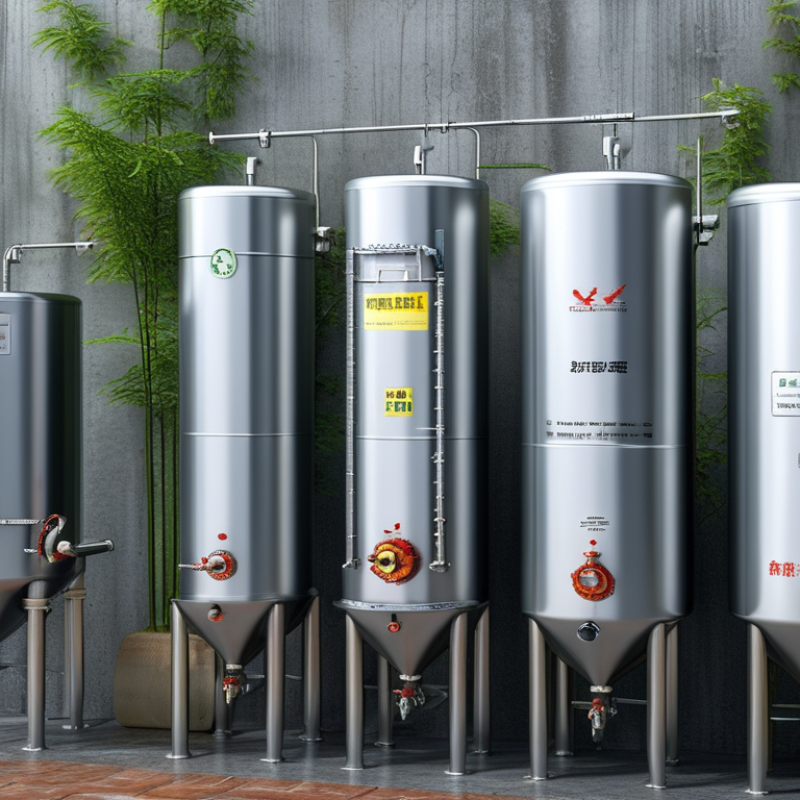
Overview of Overhead Tanks: Types and Benefits
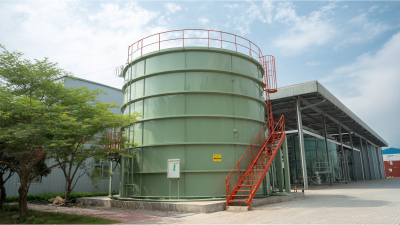
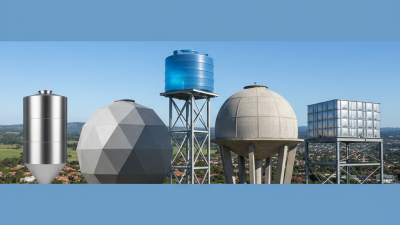
When considering overhead tanks, understanding their types and benefits is crucial. Overhead tanks come in various forms, including plastic, concrete, and metal. Plastic tanks are lightweight and rust-resistant, making them suitable for residential areas. They are easy to install and require minimal maintenance. Concrete tanks, however, offer durability and excellent insulation. They are often used in commercial settings. Metal tanks are robust, providing a strong option for industrial use.
The benefits of overhead tanks are significant. They promote gravity-fed water distribution, ensuring a steady flow. This is particularly beneficial in regions with unstable water pressure. Additionally, overhead tanks can hold large quantities of water, which is essential during dry seasons. The design also allows for easy monitoring of water levels, preventing overflow or scarcity. However, some tanks may require careful placement to avoid structural issues.
Despite the advantages, potential drawbacks exist. Overhead tanks can be prone to algae growth if not maintained properly. Some materials can degrade over time, affecting water quality. It’s vital for users to consider these factors to ensure longevity and reliability. Regular inspections and cleanings are necessary. Ultimately, selecting the right overhead tank requires weighing these pros and cons, tailored to specific needs.
Key Features to Look for in Overhead Tanks
When selecting overhead tanks, several key features require attention. Material quality is vital. Tanks made from high-density polyethylene (HDPE) or stainless steel tend to offer the best durability. According to recent industry reports, HDPE tanks can last over 30 years if properly maintained, compared to a lifespan of about 15 years for some lower-quality materials.
Another important factor is the tank's capacity and size. Buyers should assess their water storage needs. A study by the Water Storage Association indicated that installations with adequate storage experience 35% fewer disruptions than those with insufficient capacity. Additionally, whether the tank is insulated can impact performance. Insulation helps maintain water temperature and reduces energy costs.
Lastly, consider the design and accessibility. Features like manholes and drainage options facilitate maintenance. Ease of access can significantly influence long-term serviceability. Addressing these aspects can improve functionality and efficiency, leading to a more reliable water supply. It's essential for global buyers to weigh these factors thoughtfully to ensure optimal performance.
Top Overhead Tanks from China for Global Buyers
This chart illustrates the key features to consider when selecting overhead tanks, comparing capacity, material quality, and price range. The data is based on the analysis of various product specifications and market trends.
Top Manufacturers of Overhead Tanks in China
Overhead tanks play a critical role in water supply systems worldwide. They are essential in various applications, including municipal, agricultural, and industrial sectors. China stands out as a key player in this industry, manufacturing a wide range of overhead tanks that meet diverse global needs. Reports indicate that the global water storage tank market is expected to grow at a CAGR of 5.5% from 2022 to 2030. This growth is fueled by increasing urbanization and the rising demand for reliable water supply systems.
Chinese manufacturers have adopted advanced materials and technologies to enhance tank durability and functionality. Many tanks are produced using high-density polyethylene (HDPE) or fiberglass, ensuring resistance to corrosion and UV damage. According to industry analysis, almost 60% of the overhead tanks exported from China are made of these materials. This results in longer service life and reduced maintenance costs for buyers. However, not all manufacturers maintain equal quality standards, leading to inconsistencies in product performance.
It's crucial for buyers to conduct thorough market research before making purchasing decisions. While there are numerous reputable manufacturers, others may lack proper certifications or quality control measures. Engaging directly with factories and evaluating samples can help identify reliable producers. Additionally, it is advisable to consider localized regulations and certifications pertinent to the intended application. These steps can significantly mitigate the risk of investing in subpar products.
Global Market Trends for Overhead Tanks
In recent years, overhead tanks have gained popularity due to increasing urbanization. These tanks are essential for storing water in high-rise buildings and rural areas. Their design focuses on durability and efficiency, accommodating various needs across the globe. Buyers often seek sturdy materials that can withstand different climates. The demand for such tanks is rising, reflecting a shift in water management strategies worldwide.
Market trends highlight a growing focus on sustainable materials. Eco-friendly options are transforming traditional manufacturing. As consumers become more environmentally conscious, companies respond accordingly. However, sourcing these materials can present challenges. Manufacturers may face higher costs and longer lead times. This dynamic raises questions about balancing affordability and sustainability.
Additionally, technological advancements impact the overhead tank market. Innovative designs allow for better insulation and increased water quality. Smart features are increasingly integrated, offering real-time monitoring. Yet, not every manufacturer can keep pace with these innovations. Some may struggle with outdated models, making it hard to stay competitive. This disparity highlights the importance of continuous improvement in the industry.
Guidelines for Choosing the Right Overhead Tank for Your Needs
When selecting an overhead tank, several factors must be considered to meet your specific needs. First, think about the material. Common options include plastic, fiberglass, and metal. Each material has its benefits and drawbacks. Plastic tanks are lightweight and rust-resistant, while metal tanks offer durability but may require more maintenance.
Tips: Evaluate the environmental conditions where the tank will be placed. Extreme temperatures can affect performance.
Next, consider the tank's capacity. It should align with your water usage. Underestimating capacity may lead to shortages. Conversely, an oversized tank could waste space and resources. Be realistic about your daily needs.
Tips: Always check local regulations regarding tank installation. Non-compliance can lead to costly fines.
Lastly, installation and maintenance play crucial roles. Poor installation can result in leaks. Regular maintenance helps in spotting issues early, ensuring longevity. Learning from past mistakes can lead to better management of your overhead tank system.