China Best Poly Water Tanks for Global Buyers?
In the quest for sustainable and reliable water storage solutions, Poly Water Tanks are increasingly gaining global attention. As an expert in the field, Dr. Emily Chen states, "The durability and versatility of poly water tanks make them ideal for various applications." These tanks offer a lightweight and corrosion-resistant option, often preferred in regions facing water scarcity.
The demand for Poly Water Tanks is growing, driven by their affordability and longevity. They are designed to withstand harsh environmental conditions, making them suitable for diverse climates. Yet, potential buyers should be aware of certain considerations. Not all poly water tanks are created equal. Variability in quality exists, which could affect longevity.
Global buyers often express concerns about sourcing reliable manufacturers. Some importers may feel overwhelmed by the choices available. Transparency in production and certification can be challenging to verify at times. Therefore, carefully assessing manufacturers' reputations is crucial. Prospective buyers must seek trusted suppliers who provide clear information about their products.
Overview of Poly Water Tanks in China
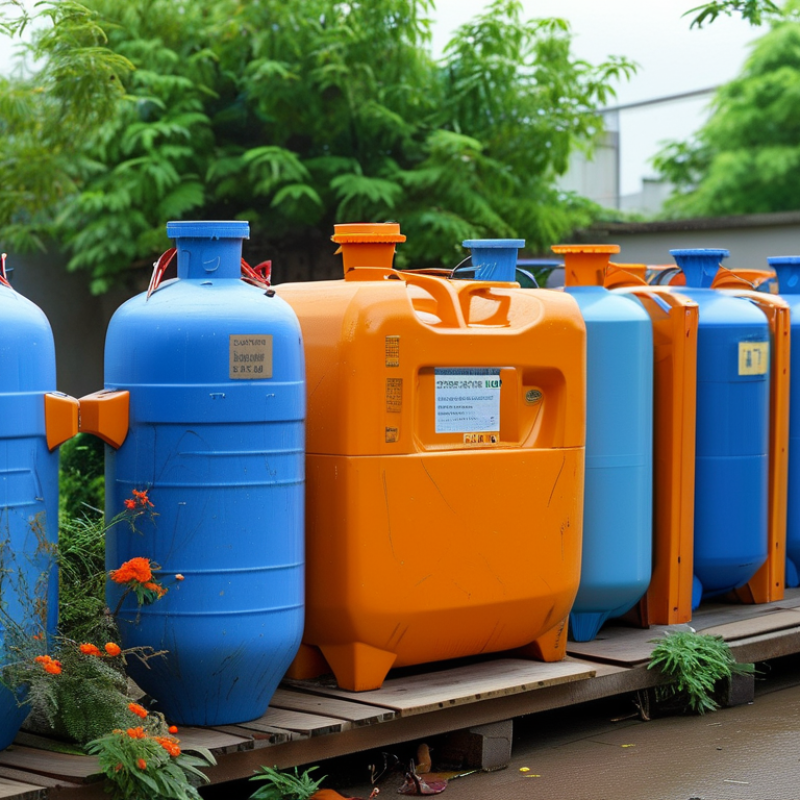
Poly water tanks are gaining popularity in China due to their durability and affordability. These tanks are made from high-density polyethylene, which resists corrosion and UV damage. As a result, they are ideal for storing water in various environments. The seamless design prevents leaks and ensures that the stored water remains clean.
In China's rapidly growing market, poly water tanks come in various sizes and capacities. This versatility addresses the needs of both residential and industrial users. However, potential buyers must also consider quality. Not all manufacturers adhere to strict standards, leading to concerns about the longevity of some products. It’s crucial to choose suppliers who are transparent about their materials and manufacturing processes.
Additionally, while poly water tanks are generally reliable, there are still drawbacks to consider. For instance, extreme temperatures can affect their performance. In very high heat, the plastic may warp, while in intense cold, it can become brittle. These factors necessitate careful selection and placement to ensure optimal usage. Ultimately, choosing the right poly water tank involves balancing cost, quality, and environmental conditions.
China Best Poly Water Tanks for Global Buyers
| Tank Capacity (Liters) |
Material Thickness (mm) |
Weight (kg) |
Color Options |
Usage Applications |
Estimated Price (USD) |
| 500 |
5 |
25 |
Black, Blue, Green |
Residential, Agricultural |
150 |
| 1000 |
7 |
40 |
Blue, Gray, Green |
Commercial, Industrial |
250 |
| 2000 |
8 |
80 |
White, Black, Blue |
Irrigation, Fire Fighting |
500 |
| 5000 |
10 |
150 |
Green, Yellow |
Municipal, Industrial |
800 |
Key Manufacturers of Poly Water Tanks in China
China has become a prominent player in the global poly water tank market. The country produces a wide range of tanks suitable for various applications. According to industry reports, the demand for polyethylene tanks is increasing. This is largely due to their durability and resistance to corrosion. Many manufacturers in China are stepping up to meet this rising demand.
Key manufacturers of poly water tanks in China focus on quality and efficiency. These companies often use advanced manufacturing techniques. This ensures that products meet international standards. However, some manufacturers face challenges with quality control. Inconsistent production methods can lead to variations in tank strength and longevity.
The industry is also seeing a rise in eco-friendly production practices. Several Chinese manufacturers are investing in sustainable materials. This shift reflects a growing awareness of environmental issues. However, there remains some skepticism regarding the overall effectiveness of these initiatives. Buyers should stay informed and conduct thorough research before making purchases. As the market evolves, understanding these key players will help global buyers make better decisions.
China Best Poly Water Tanks for Global Buyers
Factors Influencing Poly Water Tank Quality and Durability
When choosing poly water tanks, several key factors influence their quality and durability. The choice of material plays a critical role. High-density polyethylene (HDPE) is often preferred due to its strength and resistance to UV rays. However, some products may contain fillers that weaken their structure. Always check for certifications that assure quality standards.
Environmental factors also impact tank performance. Exposure to extreme temperatures can affect longevity. Tanks used in hot climates may degrade faster if not properly designed. Additionally, the tank’s color can influence its heat absorption. Darker tanks attract more heat, which can lead to warping and cracking.
Manufacturing processes vary widely. Poor workmanship can result in weak seams and faulty designs. Look for suppliers who prioritize quality control. A tank may seem perfect during initial inspection but could fail under pressure. Regular maintenance is essential, even for seemingly durable products. Watch for signs of wear and take action early to extend the tank's life.
Global Market Trends for Poly Water Tanks
The global market for poly water tanks is evolving rapidly. Recent reports indicate that the demand for these tanks is projected to grow at a CAGR of 6.1% from 2021 to 2026. This growth is driven by increasing awareness of sustainable water management practices. Poly water tanks are lightweight and resistant to corrosion. They offer a practical solution for water storage in various regions.
Manufacturers are responding to market needs. They focus on improving the durability and design of poly tanks. More sophisticated manufacturing techniques are emerging. In Asia-Pacific, for example, the demand is notably increasing due to population growth. Countries like India and China are investing heavily in infrastructure development. This investment is essential for ensuring safe water supply.
Consumer preferences are also changing. Buyers favor options that combine quality and affordability. Reports indicate that eco-friendly materials are gaining popularity. However, challenges persist. Quality control can be inconsistent across regions. Market players must address these issues to enhance reliability. Transparency in production methods is critical in building trust with global buyers.
Benefits of Choosing Chinese Poly Water Tanks for International Buyers
When considering poly water tanks, Chinese manufacturers offer a range of benefits for international buyers. These tanks are known for their durability and resistance to harsh weather. The production process often employs advanced materials, which enhance the longevity of the tanks. Buyers can expect long-lasting solutions for water storage.
Quality control is an essential aspect of the manufacturing process. Many factories prioritize safety and environmental compliance during production. This commitment ensures that the tanks meet global standards. Additionally, some manufacturers provide customization options, allowing buyers to specify size and color. However, not all suppliers maintain the same level of quality. Researching and verifying manufacturers is crucial.
Cost-effectiveness is another benefit of choosing Chinese poly water tanks. These tanks typically offer competitive pricing without sacrificing quality. International buyers can save on logistics costs due to a growing export network. Yet, potential challenges exist in communication and timelines. Understanding these factors can lead to better purchasing decisions in the long run.