China Top Drinking Water Tank Supplier for Global Buyers?
As global demand for clean water rises, the "Drinking Water Tank" industry plays a crucial role in maintaining water quality. Experts predict a steady growth rate of 4.5% annually in this sector, fueled by increasing awareness of water safety. Dr. Jane Liu, a noted expert in water management, states, "Investing in high-quality drinking water tanks is essential for public health."
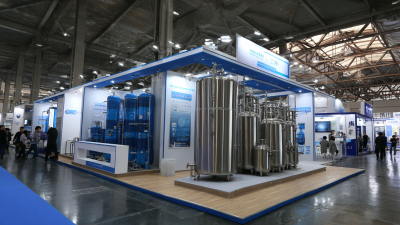
China has emerged as a leading supplier, leveraging advanced technology and robust manufacturing capabilities. With a vast range of products, Chinese manufacturers offer efficient solutions for water storage and distribution. However, challenges remain, such as varying international regulations and quality standards.
Furthermore, ensuring the reliability and safety of drinking water tanks is paramount. Recent reports show that inadequate materials can compromise water quality, highlighting the need for continuous improvement in production practices. As global buyers seek trustworthy partners, China's commitment to innovation and quality positions it as a top player in the drinking water tank market.
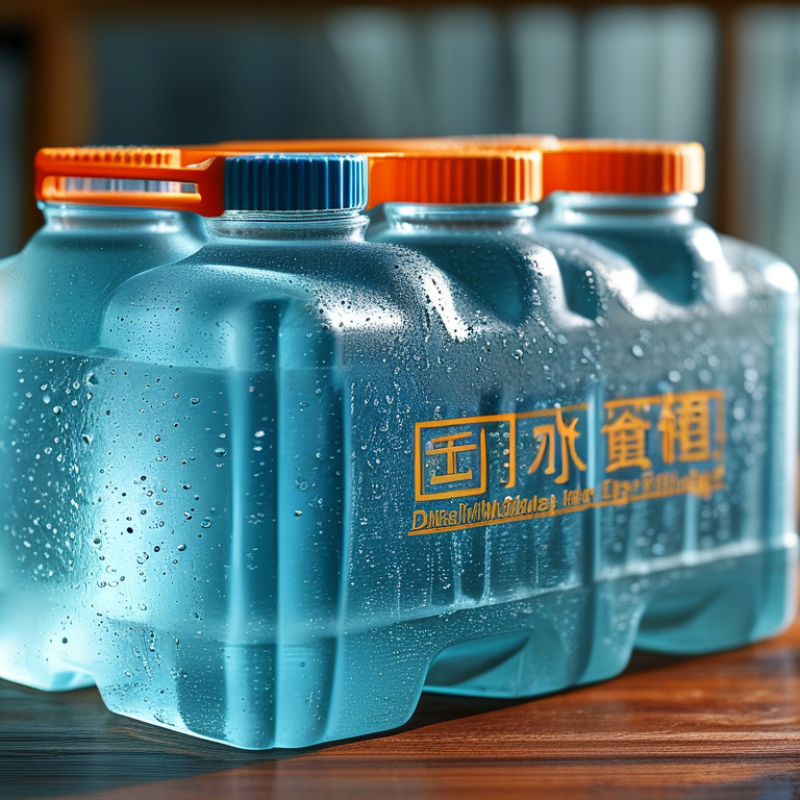
China's Dominance in the Global Drinking Water Tank Market
China has solidified its position as a leading supplier in the global drinking water tank market. With a staggering market share of over 30%, it outpaces competitors by leveraging advanced manufacturing techniques and cost-effective production. Data from the International Water Association indicates that the demand for water tanks is expected to grow at a CAGR of 8.5% through 2027. This growth is partly driven by increasing urbanization, which necessitates robust water supply solutions.
The popularity of Chinese manufacturers is influenced by their ability to produce various tank materials, such as polyethylene and stainless steel, catering to diverse needs. Reports suggest that around 60% of global water tank exports come from China. However, there are challenges. Sustainability concerns and a lack of regulatory compliance in some regions raise questions. International buyers must consider these factors carefully. Additionally, technological innovation is crucial. While China leads in quantity, the focus on improving quality and safety remains essential for maintaining its reputation. Engaging in continuous improvements and responsive practices will be vital for long-term success in the global market.
China Top Drinking Water Tank Supplier for Global Buyers?
| Country |
Market Share (%) |
Annual Growth Rate (%) |
Key Features |
Popular Material |
| United States |
25 |
4.5 |
Durability, UV resistance |
Polyethylene |
| Germany |
20 |
3.8 |
Recyclability, insulation |
Fiberglass |
| Australia |
15 |
5.2 |
Corrosion resistance, lightweight |
Stainless Steel |
| UK |
10 |
2.2 |
Customizable, portable |
PVC |
| India |
30 |
6.0 |
Affordability, easy installation |
Plastic |
Key Features of Chinese Drinking Water Tanks for International Buyers
Chinese drinking water tanks are gaining attention from international buyers for their robust design and cost-effectiveness. Recent industry reports indicate that these tanks have a market growth rate of around 7-10% annually. This growth reflects a rising global demand for reliable water storage solutions amid increasing urbanization and population growth.
Key features of these tanks include high-grade materials that ensure durability and resistance to corrosion. Many Chinese manufacturers utilize advanced technologies in production, enhancing both strength and longevity. A survey by the Water Quality Association noted that over 30% of consumers prioritize tank reliability in their purchasing decisions. Additionally, these tanks often come with customizable options, catering to varied needs.
However, there are challenges to consider. Quality inconsistency among suppliers can be an issue. Some tanks may not meet international certification standards, potentially leading to buyer skepticism. The market also faces criticism regarding environmental impact from production processes. Buyers should conduct thorough research and seek credible manufacturers to ensure product quality and sustainability.
Major Manufacturers of Drinking Water Tanks in China
China has emerged as a leading supplier of drinking water tanks, meeting the global demand with a variety of high-quality options. These tanks are designed for durability and efficiency. When considering a manufacturer, it’s essential to assess their production capabilities and quality standards. Many manufacturers offer various materials, including polyethylene and stainless steel. Each material has its own advantages and potential drawbacks.
Tips: Look for certifications that ensure quality and safety. This can include ISO or equivalent standards. Reliable manufacturers often invest in advanced technology for their production processes.
Understanding the necessary features is crucial. For instance, insulation properties can affect water temperature. Size and capacity are also key factors to consider. Manufacturers frequently provide custom solutions. However, custom options may lead to longer lead times, so plan accordingly.
Tips: Always inquire about after-sales support and warranty options. Good communication with the manufacturer is vital. This helps clarify specifications and expectations. Always keep an eye on industry trends to identify evolving needs. Staying updated can significantly enhance your decision-making process.
Quality Standards and Certifications for Drinking Water Tanks in China
China has established itself as a key player in the global drinking water tank market. To gain trust, suppliers must meet various quality standards and certifications. These standards ensure the safety and reliability of water tanks. For instance, many manufacturers pursue ISO standards. This reflects a commitment to quality management.
Certifications play a significant role in the industry. Common certifications include NSF and FDA approval. These certifications guarantee that materials used are safe for drinking water. Buyers should check if suppliers have the necessary certifications. This helps mitigate risks related to health and environmental safety.
Despite the positive aspects, challenges remain. Some producers may prioritize cost-cutting over safety. This can lead to quality issues. Importers must perform due diligence when selecting suppliers. Regular quality checks and audits can help ensure compliance with standards. A knowledgeable buyer can navigate these challenges effectively. Understanding quality requirements is crucial for making informed decisions.
Quality Standards and Certifications for Drinking Water Tanks in China
Market Trends and Future Outlook for China's Water Tank Exports
China's water tank exports are witnessing notable trends, driven by increasing global demand. Many international markets seek reliable suppliers to meet their drinking water storage needs. This growing interest is partly due to the rising awareness of water quality and safety. Manufacturers in China have responded by focusing on innovation and enhancing production efficiency.
Moreover, the variety of tank materials and designs available plays a crucial role. Stainless steel, polyethylene, and fiberglass tanks are popular options. Each offers unique benefits for different environments. However, quality control remains a challenge for many manufacturers. Some products may not meet international standards, leading to buyer skepticism.
Looking forward, it is vital for Chinese suppliers to address these issues. Improving product reliability can boost buyer confidence significantly. Collaborating with international quality assurance organizations could enhance credibility. As the export landscape evolves, understanding buyer needs will become increasingly important for sustained growth in this competitive market.