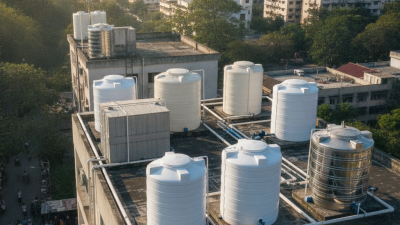
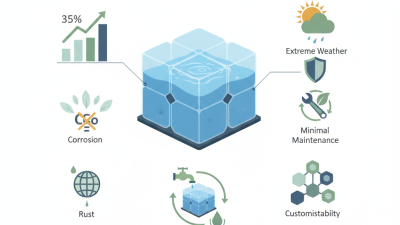
Top 10 Garden Water Storage Tanks for Global Buyers
Choosing among the Top 10 Garden Water Storage Tanks requires more than comparing capacity and price. Global buyers face different rainfall patterns, soil conditions, water regulations, and garden layouts. A 500-litre tank may suit a balcony garden, while a 5,000-litre model may support vegetable beds, fruit trees, and greenhouse irrigation.
Brad Lancaster, a respected rainwater-harvesting educator, offers a useful principle: “Slow it, spread it, sink it.” This idea reminds buyers to manage water carefully, not merely store it. Effective Garden Water Storage Tanks should match roof area, expected rainfall, irrigation demand, and available space. They should also include secure lids, screened inlets, overflow control, and easy cleaning access. Food-grade materials may matter when users collect water for edible crops.
Small details matter.
This guide compares ten practical options for international buyers. It considers tank materials, installation methods, durability, maintenance, transport, and seasonal performance. Some tanks are lightweight and portable, while others require a firm foundation and professional installation. In colder regions, freezing can damage fittings. In hot climates, sunlight may shorten the life of poorly protected plastic.
No ranking can fit every garden. That limitation deserves attention. A visually attractive tank may still have weak fittings or difficult access. Buyers should check local standards and supplier documentation before ordering. The best choice is not always the largest model. It is the tank that stores water safely, fits the site, and remains useful after years of ordinary weather.
Garden Water Storage Tanks: Purpose, Types, and Main Applications
Garden water storage tanks capture rainwater and store it for controlled use during dry periods. FAO’s AQUASTAT database reports that agriculture uses about 70% of global freshwater withdrawals. Household gardens are smaller users, but efficient storage still reduces pressure on treated supplies. A tank beside a greenhouse can feed drip lines, while a buried unit preserves space and keeps water cooler.
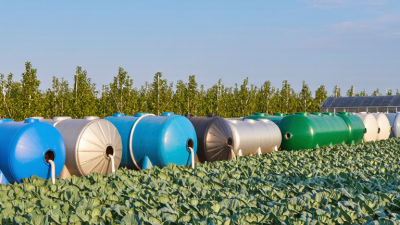
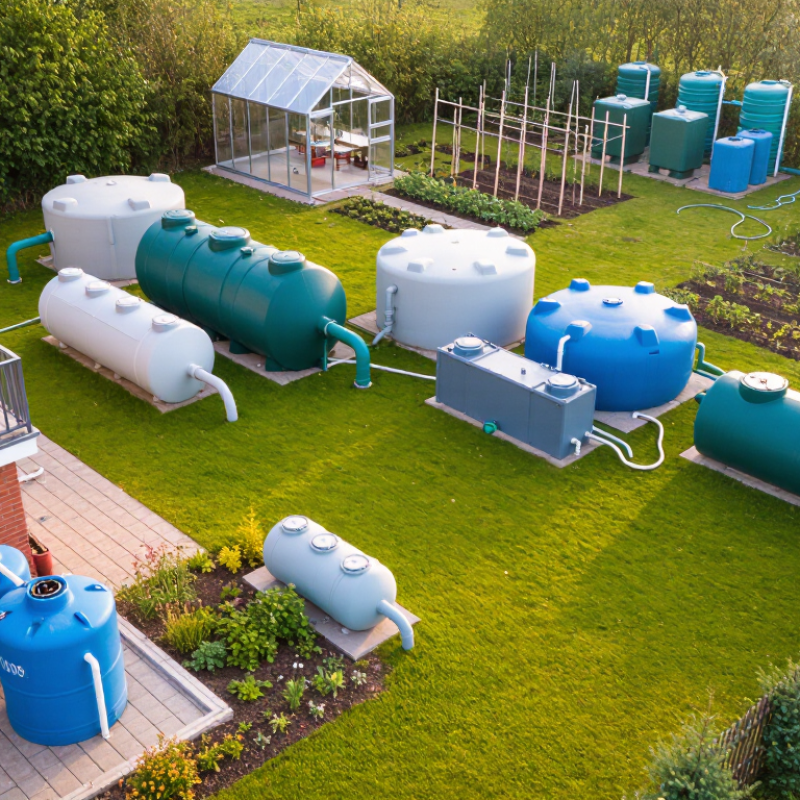
Common types include slimline, round above-ground, underground, modular, and collapsible tanks.
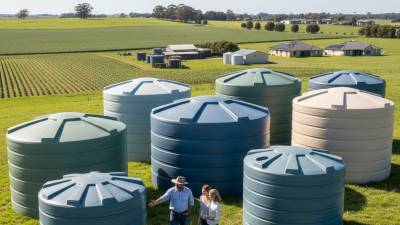
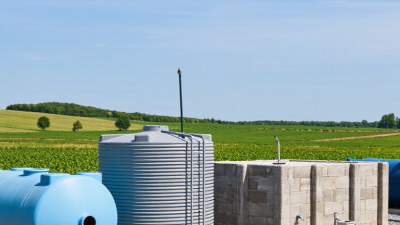
Slimline models suit narrow courtyards. Round tanks usually offer better structural stability. Underground tanks support larger landscapes, but installation costs and soil conditions require careful assessment. Modular tanks can expand with demand. Collapsible tanks are practical for temporary sites, although punctures remain a concern.
Applications include vegetable irrigation, lawn watering, greenhouse production, cleaning paths, and emergency garden reserves. Non-potable water should remain clearly separated from drinking-water systems. The World Health Organization recommends managing harvested rainwater according to local contamination risks, especially where roofs collect dust or bird waste. Tank sizing should reflect roof area, rainfall patterns, garden demand, and overflow capacity.
Oversizing is wasteful.
Undersizing is frustrating.
A recurring mistake is ignoring first-flush diversion and screened inlets.
Leaves, sediment, and insects quickly reduce water quality. The choice also depends on ultraviolet exposure, access for cleaning, and local frost conditions. No tank fits every garden. Real projects often require compromise.
Key Factors Global Buyers Should Consider Before Choosing a Tank
Top 10 Garden Water Storage Tanks for Global Buyers
Key Factors Global Buyers Should Consider Before Choosing a Tank
Choosing a garden water tank starts with local conditions, not appearance. Measure average rainfall, roof area, and daily garden demand. A 5,000-liter tank may suit a large property, but it can remain partly empty in a dry climate. Smaller tanks may need frequent refilling. That trade-off deserves careful calculation.
Material affects service life and water quality. Food-grade polyethylene suits many non-potable garden uses and resists corrosion. Steel tanks can provide strength, but protective coatings require regular inspection. Check UV resistance for sunny regions. In freezing areas, allow expansion space and protect exposed pipes. Windy locations need a stable foundation and secure anchoring.
Look closely at access points, filters, overflow routes, and outlet height. A narrow opening makes cleaning difficult. Leaves and insects often enter through poorly covered inlets. The base should be level, firm, and able to support the filled weight. One liter of water weighs about one kilogram. Many buyers underestimate this load.
Ask suppliers for material specifications, test records, installation guidance, and spare-part availability. Independent certification is useful when water may contact edible plants. Warranty wording also matters. It should explain damage limits, maintenance duties, and regional support. I have seen attractive tanks fail because the outlet sat too low. Practical details often matter more than a polished product photo.
Top 10 Garden Water Storage Tanks for Different Needs and Budgets
Garden water storage tanks vary widely in size, material, installation, and price. The best choice depends on rainfall, garden area, available space, and local weather. A practical top ten includes slimline tanks, round polyethylene tanks, rectangular tanks, rain barrels, modular tanks, galvanized steel tanks, underground tanks, collapsible tanks, frost-resistant tanks, and compact balcony tanks.
For tight budgets, a rain barrel or small polyethylene tank can collect roof runoff efficiently. Larger gardens may need modular or round tanks holding 1,000 to 5,000 litres. Underground models save surface space, but excavation increases labor costs. In coastal areas, UV resistance and corrosion protection matter. Cold regions need flexible materials and safe expansion space during freezing. Always check inlet screens, overflow routes, outlet fittings, and replacement-part availability. Certified materials are essential when stored water may contact edible crops. A low price can look attractive, but my first cost estimate is often too optimistic after delivery and installation.
Tips: Measure the tank location before ordering. Leave access for cleaning. Compare capacity after seasonal rainfall, not during one wet week. Check local plumbing and rainwater rules. Dark tanks reduce algae growth, though they may heat faster in direct sun. A level foundation prevents stress and uneven settling. Also, avoid placing tanks where a leaking valve could reach walls, electrical equipment, or narrow walkways.
International Buying Guide: Materials, Standards, Shipping, and Costs
Choosing a garden water storage tank for international use requires more than comparing capacity and price. Material affects service life, hygiene, and freight weight. UV-stabilized HDPE is lightweight and resists corrosion. Galvanized steel offers strength but may need careful coating inspection. Fiberglass is durable, though repairs can be more specialized. Measure twice.
Check the tank’s intended water use before ordering. Irrigation tanks may follow different requirements from tanks storing water for household contact. Ask suppliers for material declarations, test reports, wall-thickness data, and installation instructions. Standards vary by destination, so confirm local rules with an importer or qualified engineer. A food-contact certificate alone may not prove full regulatory compliance. Details matter.
Shipping costs depend on volume, weight, stacking limits, and the delivery port. A large tank can use valuable container space even when it weighs little. Request both FOB and delivered quotations, including packaging, insurance, customs charges, and inland transport. For example, a 5,000-liter tank may require a reinforced pallet and lifting equipment at the site. My first freight estimate once ignored unloading costs; the final bill was higher. That mistake was avoidable. Inspect photos before dispatch, confirm drain and inlet sizes, and record the agreed color, fittings, and warranty terms. Freight changes quickly.
Top 10 Garden Water Storage Tanks for Global Buyers
International buying guide covering common capacities, materials, standards, shipping considerations, and cost factors.
The chart compares ten commonly traded nominal capacities for garden rainwater storage. Polyethylene tanks are widely used because they are lightweight, corrosion-resistant, and suitable for outdoor installation. Actual dimensions, wall thickness, empty weight, and pricing vary by tank geometry and local regulations.
Materials
UV-stabilized polyethylene is common for outdoor tanks; steel and fiberglass are used where higher structural strength or custom installation is required.
Standards
Depending on the destination, buyers may check AS/NZS 4766, BS EN 16941-1, NSF/ANSI/CAN 61, or AS/NZS 4020. Certification scope should match the intended water use.
Shipping and Costs
Compare EXW, FOB, and CIF quotations. Landed cost should include packaging, inland transport, ocean freight, insurance, duties, local delivery, and installation.