What is Drinking Water Tank and How Can It Benefit You?
In recent years, the importance of a Drinking Water Tank has gained considerable attention. Experts like Dr. Sarah Thompson, a leading authority in water quality, emphasizes that “a reliable water storage solution is essential for health and safety.” This statement highlights the role of Drinking Water Tanks in ensuring access to clean water.
A Drinking Water Tank serves as a vital resource for homes, businesses, and communities. With changing weather patterns and increasing urbanization, having a convenient water storage option can be transformative. These tanks can store large volumes of water, ready for use when needed.
The benefits extend beyond just storage. A well-maintained Drinking Water Tank can improve water quality and reduce waste. However, it is crucial to monitor the condition of the tank regularly. Neglecting maintenance might lead to contamination, raising questions about reliability. Investing in a Drinking Water Tank is a step towards better water management, but it requires commitment. Understanding its potential and limitations is key to maximizing its benefits.
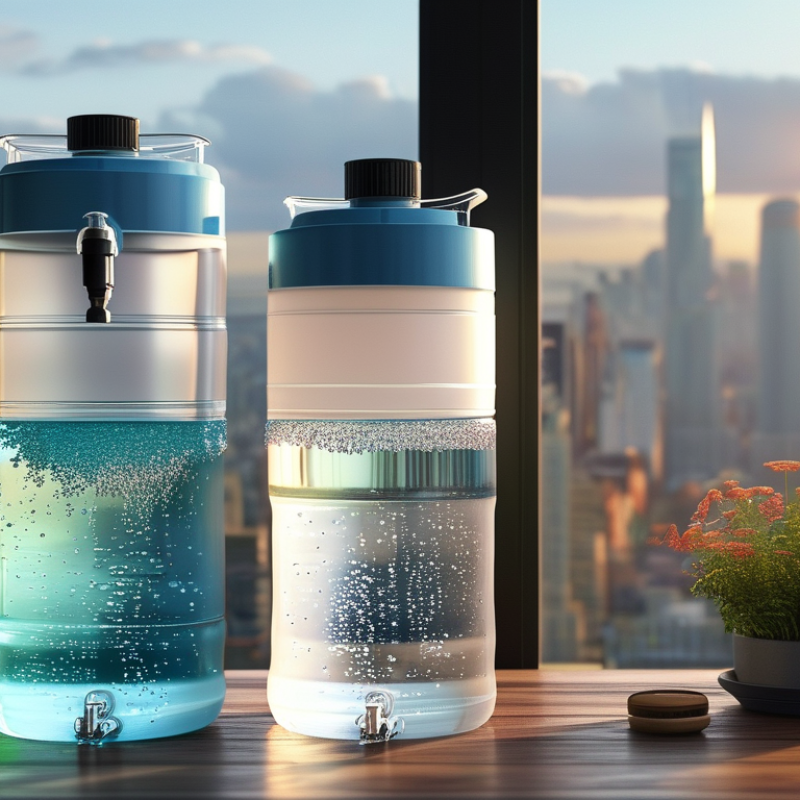
What is a Drinking Water Tank?
A drinking water tank is a storage system designed to hold potable water for residential or commercial use. These tanks vary in size and material, serving a single household or an entire community. Commonly made from materials like plastic, steel, or concrete, they ensure that water is readily available for daily needs. The design often includes features that prevent contamination and maintain water quality, which is crucial for health.
Using a drinking water tank offers numerous advantages. It provides a reliable water supply during emergencies or dry periods. Accessible water storage helps in managing water usage efficiently, especially in areas with fluctuating water availability. Regular maintenance, however, is essential to avoid issues such as algae growth or sediment buildup. People sometimes overlook routine checks, which can lead to water quality problems. Proper maintenance requires awareness and action, a fact often neglected in busy lives.
Types of Drinking Water Tanks Available in the Market
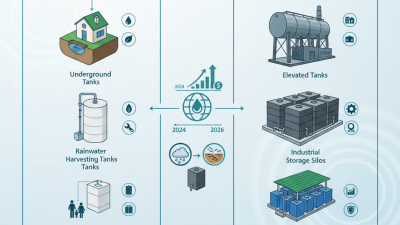
When it comes to drinking water tanks, there are several types that can suit different needs. One common type is the plastic drinking water tank. These tanks are lightweight and resistant to corrosion. They are often used in residential settings due to their affordability and ease of installation. However, they may not be as durable as other materials.
Another option is stainless steel drinking water tanks. They are known for their strength and longevity. Stainless steel tanks can withstand extreme temperatures and are less likely to leach chemicals. However, they tend to be more expensive than plastic options. For larger scale needs, concrete tanks are also available. These provide excellent insulation and are often used for agricultural purposes. Yet, their installation can be complex and time-consuming.
Each type of tank has its unique advantages and challenges. Selecting the right drinking water tank depends on your specific requirements. Consider factors like space, budget, and the volume of water needed. It's important to weigh these elements carefully. Every choice comes with trade-offs.
What is Drinking Water Tank and How Can It Benefit You? - Types of Drinking Water Tanks Available in the Market
| Type of Drinking Water Tank |
Capacity (Liters) |
Material |
Benefits |
| Polyethylene Tank |
500 - 5000 |
Plastic |
Lightweight, corrosion-resistant, affordable. |
| Stainless Steel Tank |
1000 - 10000 |
Steel |
Durable, hygienic, and long-lasting. |
| Fiberglass Tank |
1500 - 20000 |
Fiberglass |
Resistant to corrosion and UV damage. |
| Concrete Tank |
5000 - 100000 |
Concrete |
Robust, suitable for large-scale storage. |
| Collapsible Tank |
100 - 5000 |
Flexible fabric |
Portable, easy to store when not in use. |
Benefits of Using a Drinking Water Tank for Your Home or Business
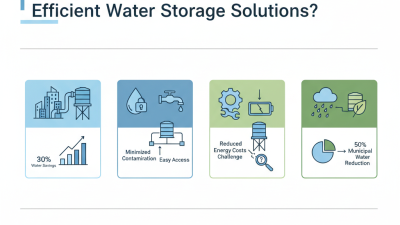
A drinking water tank is a reliable solution for storing clean water. It ensures you have access to safe water at all times. Whether for your home or business, these tanks can offer numerous benefits.
One advantage is the consistent supply of water. In areas with unreliable municipal services, a drinking water tank can be a game changer. It reduces the risk of running out of water during dry spells or emergencies. Additionally, having a dedicated storage tank can lead to cost savings in the long run. You can collect rainwater or buy in bulk, minimizing the need for frequent purchases.
However, maintenance is key. Regularly checking for leaks and ensuring proper cleanliness is crucial. Neglecting this can lead to contamination, defeating the tank's purpose. It's important to invest time in regular upkeep, as even the best systems can falter without care. Balancing convenience with responsibility is essential when using a drinking water tank.
How to Choose the Right Drinking Water Tank for Your Needs
Choosing the right drinking water tank is crucial for ensuring safe and reliable water supply. Firstly, assess your water needs. The size of the tank depends on your household's daily consumption. On average, a family of four needs around 100 to 150 gallons of water per day. This metric can guide tank sizing.
Consider the material of the tank. Polyethylene tanks are popular due to their corrosion resistance and low weight. A report from the Water Quality Association reveals that tanks made from high-density polyethylene can last over 30 years with proper maintenance. Also, think about the installation location. Tanks should be placed away from direct sunlight to prevent algal growth.
Lastly, evaluate the tank's filtration and purification features. Some tanks come with built-in filters, which can enhance water quality. According to the Centers for Disease Control and Prevention, proper filtration can reduce contaminants by over 70%. Make sure to check for certifications that ensure safety and quality. Taking these factors into account can lead to better water management.
Maintenance Tips for Keeping Your Drinking Water Tank in Good Condition
Maintaining a drinking water tank is essential for ensuring a safe and healthy water supply. Regular cleaning should happen at least once a year. Bacteria and sediment can build up over time, affecting water quality. Using a mild detergent to scrub the tank’s interior can help. It's important to rinse thoroughly afterward to avoid chemical residue.
Inspecting the tank regularly is crucial. Look for leaks or cracks that could lead to contamination. If you notice any irregularities, consider consulting a professional. Ensure that all seals and caps are secure to prevent unwanted debris from entering your water supply. If you find a frequent buildup of rust or algae, that indicates deeper issues.
Taking the time to maintain your water tank can pay off. Clean water is vital for health. Remember, neglect may lead to costly repairs or health risks. Reflect on your current maintenance habits. Are there areas you could improve? Regular attention can extend your tank’s life and ensure safe drinking water for your family.
Benefits of Drinking Water Tanks
The chart above illustrates various benefits of using a drinking water tank, highlighting aspects such as cost savings, water quality, convenience, sustainability, and emergency supply readiness. Each benefit is scored on a scale of 1 to 10, providing a visual representation of their importance.