Top Overhead Tanks for Efficient Water Storage Solutions?
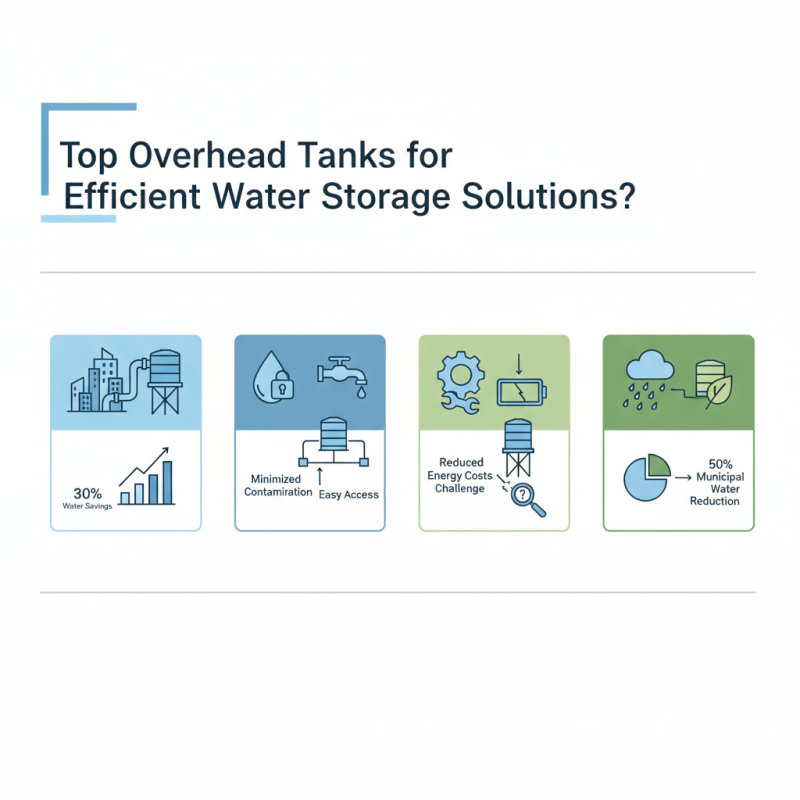
Efficient water storage solutions are crucial in today’s urban landscapes. Overhead tanks play a vital role in optimizing water distribution. According to the International Water Association, proper water management can save up to 30% of water usage in urban settings. Overhead tanks enable easy access to water while minimizing contamination risks.
These systems are designed for longevity and can be customized to fit various needs. Reports indicate that overhead tanks significantly reduce pump energy costs. However, maintenance remains a challenge. Many users overlook regular inspections, which can lead to costly repairs or reduced efficiency.
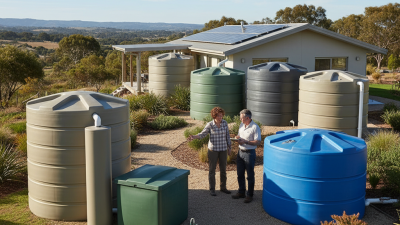
Innovative designs, like rainwater harvesting systems integrated with overhead tanks, are emerging. This approach enhances sustainability as highlighted by the Environmental Protection Agency, which states that utilizing rainwater can reduce municipal water use by about 50%. As the demand for efficient water storage grows, understanding the advantages of overhead tanks becomes essential. Users must carefully evaluate their options to choose the best solutions.
Overview of Overhead Tanks and Their Importance in Water Storage
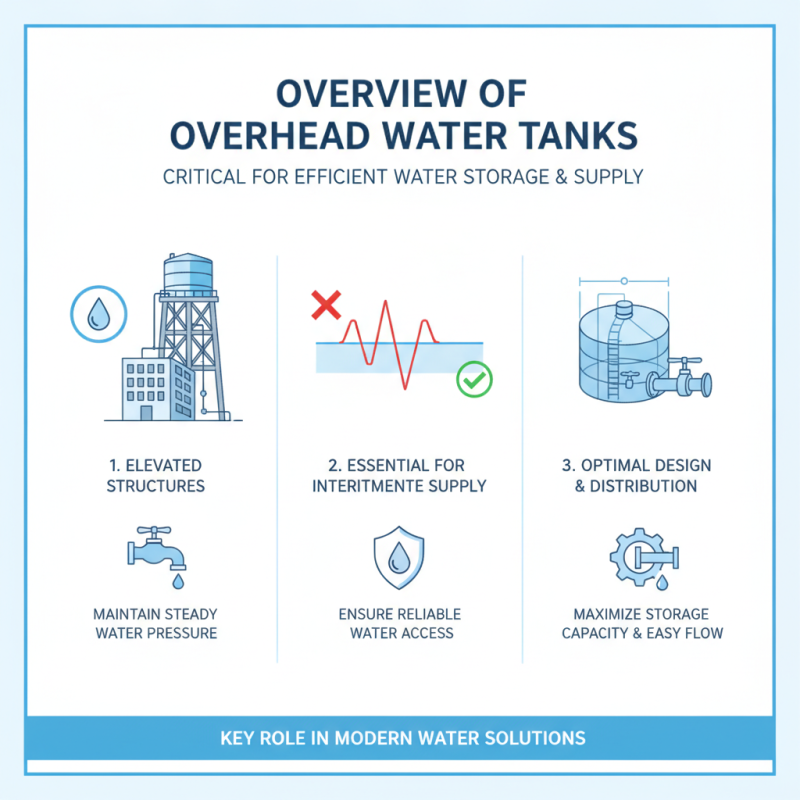
Overhead tanks play a critical role in efficient water storage solutions. These elevated structures help maintain steady water pressure throughout a building. They are essential for areas with inconsistent water supply. Properly designed overhead tanks ensure optimal storage capacity and easy distribution.
The importance of overhead tanks extends beyond mere storage. They help reduce energy consumption by utilizing gravity for water flow. This reduces the need for pumps, lowering operational costs. Regular maintenance is necessary to avoid leaks and contamination. An unmonitored tank can become a source of health risks, highlighting the importance of regular inspections.
Choosing the right tank involves considering materials and capacity. Options include plastic, concrete, and steel. Each material offers unique advantages and limitations. Not everyone is aware of these differences, which can lead to inefficiencies. Thus, understanding specific water needs is essential for making informed decisions. Users must weigh their options carefully and reflect on potential improvements.
Key Features to Consider When Selecting Overhead Tanks
When selecting an overhead tank, several key features are essential for effective water storage. One crucial aspect is the material used. Tanks can be made from plastic, fiberglass, or metal. Each has its benefits and drawbacks. For instance, plastic tanks are lightweight and resistant to corrosion. However, metal tanks may offer more durability. Make sure to assess the environment where the tank will be installed.
Another important consideration is the size and capacity of the tank. It should match your specific water needs. Oversized tanks can lead to unnecessary costs. On the other hand, insufficient capacity may result in water shortages. It’s important to calculate daily water consumption accurately. Reflecting on your household or facility's usage patterns can help determine the right size.
Additionally, inspect the tank design and features. Look for options with reinforced walls for longevity. Ventilation systems can help prevent algae growth. If possible, opt for tanks with built-in level indicators. Such features enhance usability. It’s crucial to weigh all these factors before making a decision, as overlooking them can lead to future issues.
Types of Materials Used in Overhead Tank Construction
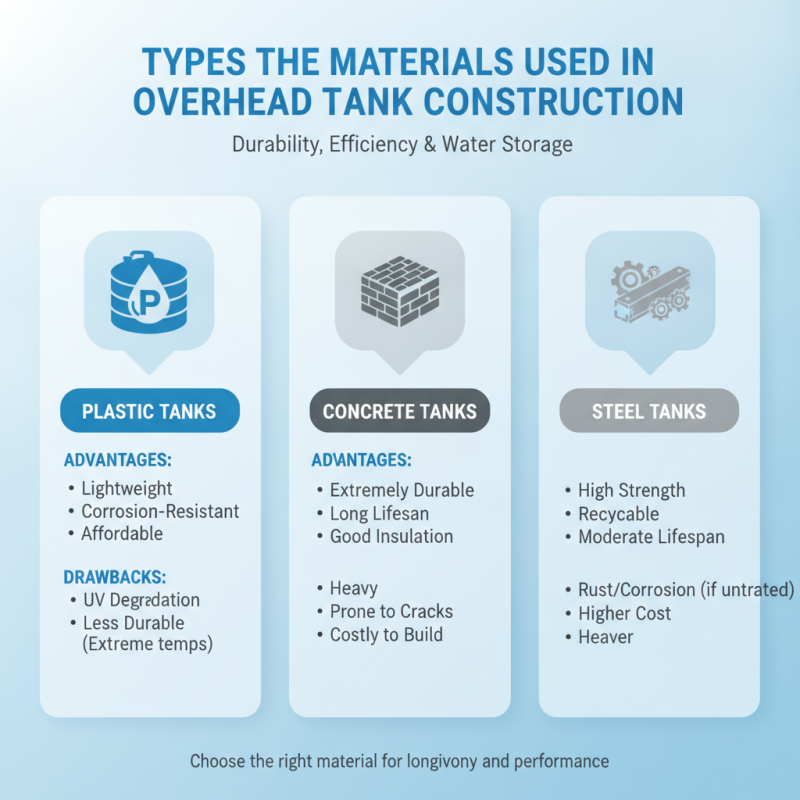
Overhead tanks play a crucial role in water storage systems. The materials used in their construction significantly affect their durability and efficiency. Common materials include plastic, concrete, and steel. Each has its own advantages and potential drawbacks.
Plastic tanks are lightweight and resistant to corrosion. They can hold up in various weather conditions. According to industry reports, they can be up to 50% cheaper than steel options. However, their lifespan may be shorter under extreme temperatures. Concrete tanks provide excellent stability and can withstand heavy usage. Still, they are more expensive and weigh considerably more, making installation more demanding. Steel tanks are robust and have a long lifespan, often exceeding 30 years. Yet, they require regular maintenance to prevent rusting, especially in humid environments.
Choosing the right material depends on specific needs. The decision should reflect factors like budget, location, and intended use. A study revealed that 40% of project failures were due to material selection. Understanding these insights can lead to better outcomes in water storage projects. Always reflect on the unique requirements of your situation before making a choice.
Benefits of Using Overhead Tanks for Water Storage Solutions
Overhead tanks are increasingly recognized for their role in efficient water storage solutions. These systems provide significant benefits, especially in urban environments where space is limited. According to a report from the International Water Association, the use of overhead tanks can enhance water supply reliability by over 30%. This reliability is crucial for both residential and commercial users.
One key advantage of overhead tanks is their gravity-fed design. This allows water to flow freely without relying on pumps. This passive method reduces energy costs and maintenance needs. However, some installations face issues with water quality over time. Regular maintenance is essential to prevent contamination.
Storage capacity is another important aspect. Many designs offer a variety of sizes to suit different needs. Smaller households might opt for tanks holding 500 liters, while larger facilities may require over 5,000 liters. This flexibility supports diverse user requirements. Yet, the installation requires careful planning to ensure structural integrity, an area that can often be overlooked. Balancing capacity and safety is critical for optimal performance.
Top Overhead Tanks for Efficient Water Storage Solutions
| Tank Material |
Capacity (Liters) |
Height (Meters) |
Application |
Benefits |
| Plastic |
1000 |
2 |
Residential |
Lightweight, Rust-resistant |
| Steel |
5000 |
3 |
Commercial |
Durability, High Capacity |
| Fiberglass |
2000 |
2.5 |
Industrial |
Corrosion Resistant, Long Life |
| Concrete |
10000 |
4 |
Municipal |
Stability, Fire Resistance |
Maintenance and Care Tips for Long-lasting Overhead Tanks
Maintaining overhead tanks is crucial for efficient water storage. Regular care can extend their lifespan significantly. A study published by the Water Research Foundation noted that poorly maintained tanks could lose up to 30% of their storage capacity due to leaks and contamination.
Routine inspections should focus on checking for cracks and leaks. A small crack can become a huge issue. A simple visual inspection can uncover problems before they escalate. Cleaning the tank every six months is also vital. Sediment buildup can impact water quality. It's important to remove this buildup to ensure clean water access.
Another key consideration is the material of the tank. Different materials have varying lifespans and maintenance needs. For example, steel tanks may rust if not coated properly. An analysis found that tanks made from fiberglass last longer with less maintenance. Investing time and resources in upkeep can achieve better durability and efficiency. However, many users overlook this critical aspect. Regular maintenance could reduce unexpected repair costs by about 20%.